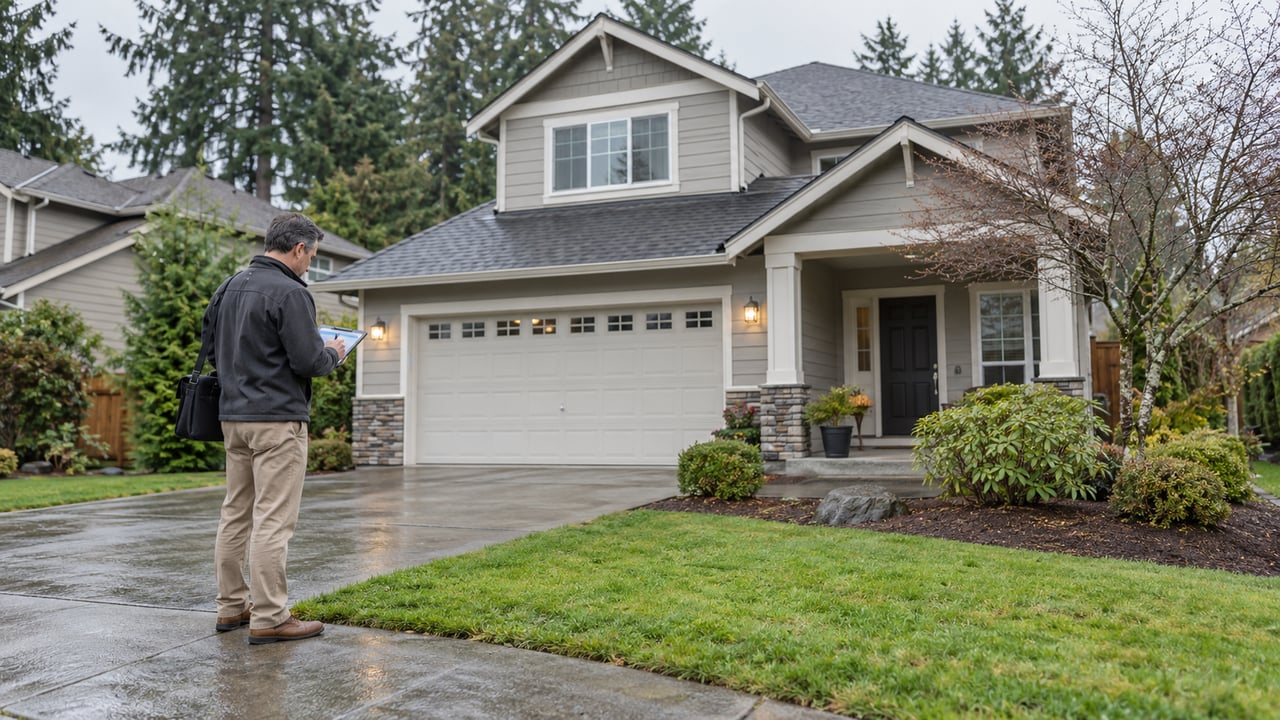
King County property tax is one of the most important ownership costs for homeowners, buyers, sellers, and relocating consumers to understand in 2026. King County reports that total 2026 property taxes are about $8.4 billion, an increase of roughly 10% from the prior year, while total countywide property value increased about 5.4%.
That gap can feel confusing. Most homeowners expect taxes to move in step with home values, but King County property taxes are shaped by a mix of assessed value, local levy rates, taxing districts, voter-approved measures, and local government budgets. King County explains that residential property taxes are based on assessed value, total taxable value in the community, voter-approved measures, and budgets adopted by local governments.
This guide explains what South King County homeowners should know in plain English, including why taxes changed, how tax bills are calculated, what buyers should budget for, what sellers should be ready to discuss, and where homeowners can look for exemptions, deferrals, or appeal information.
Our team works with buyers, sellers, homeowners, and relocating consumers across King County, including Renton, Kent, Auburn, Federal Way, Covington, Maple Valley, Black Diamond, Newcastle, Issaquah, Bellevue, Redmond, Kirkland, Sammamish, Burien, Des Moines, SeaTac, Tukwila, Normandy Park, Shoreline, Bothell, Woodinville, Kenmore, Mercer Island, Snoqualmie, North Bend, Enumclaw, and Seattle when relevant.
The goal here is not to give tax advice. It is to help you understand the real estate side of the conversation so you can ask better questions and plan with more confidence.
What should South King County homeowners know about King County property tax in 2026?
South King County homeowners should know that King County property tax is not based on assessed value alone. Your bill reflects your property’s assessed value, the total taxable value in your community, voter-approved measures, and budgets adopted by local governments.
That matters because two homes with similar market values can have different tax bills if they are in different school districts, fire districts, city boundaries, or special taxing districts. This is especially important in South King County, where nearby communities like Renton, Kent, Auburn, Federal Way, Covington, Maple Valley, Black Diamond, and Tukwila can have different local tax layers.
For homeowners, property tax affects the real cost of staying in a home. For buyers, it affects the full monthly payment. For sellers, it can become part of a buyer’s affordability comparison when they are choosing between homes in different communities.
That is why it helps to look at property tax alongside broader local housing conditions. If you are trying to understand how ownership costs fit into today’s market, our guide to South King County real estate trends can help frame the bigger picture.
Local team note: Property taxes are rarely the only reason someone decides to move, stay, buy, or sell. But when taxes are reviewed alongside mortgage payment, insurance, maintenance, commute, and future plans, they often help clarify what choice feels sustainable.
Key takeaway: Property tax is not just a bill. It is part of the ownership cost that can influence timing, budgeting, pricing conversations, and long-term real estate planning.

Why did King County property taxes increase in 2026?
King County says 2026 property taxes increased largely because of voter-approved measures, not simply because property values went up. The county reports that overall 2026 property taxes are about $8.4 billion, up approximately 10% from the previous year, while total countywide property value rose about 5.4%.
This is one of the most important points for homeowners to understand. If your assessed value went up, that may affect your tax bill, but it is not the only driver. King County explains that property taxes fund the state, county, cities, and taxing districts such as schools. The county also notes that taxes fund voter-approved measures for veterans, seniors, fire protection, and parks.
In other words, a homeowner’s tax bill is connected to the larger network of public budgets and voter decisions around the property. That is why tax changes can feel different from one area to another, even within the same county.
For South King County homeowners, this can be especially relevant when comparing nearby cities. A buyer considering homes in Kent, Auburn, Renton, Covington, Federal Way, and Maple Valley may see different tax bills because each property sits inside its own combination of local taxing districts.
If you are trying to understand how taxes fit into broader local policy and housing changes, it may also be useful to read about how new Washington policies could impact real estate in King County.
What this means locally: If your 2026 bill feels higher than expected, look beyond your assessed value. Review your taxing districts, voter-approved measures, and levy information before assuming the increase is only about your home’s value.
How is King County property tax calculated?
King County property tax is generally calculated by applying the combined levy rate for your taxing area to your property’s assessed value. King County explains the basic formula as value times levy rate equals taxes, with the levy rate applied per thousand dollars of assessed value.
Here is the simplified idea:
Calculation Step | What It Means | Why It Matters |
|---|---|---|
Assessed value | The value assigned to the property for tax purposes | A higher assessed value can affect the share of taxes assigned to the property |
Levy rate | The combined rate from applicable taxing districts | Rates vary by city, school district, fire district, and other local factors |
Taxing districts | Local entities that receive property tax revenue | Two similar homes may have different bills if they are in different districts |
Final tax bill | The result of applying the tax structure to the property | This becomes part of the annual and monthly cost of ownership |
King County also explains that residential taxes are based on the assessed value of the property, total taxable property value in the community, voter-approved measures, and budgets adopted by local governments.
This is why property taxes can feel more complicated than a simple percentage of home value. Your home is part of a larger tax base. If your value changes differently from other properties in your area, your share may shift. If voters approve a levy, your bill may change. If your local taxing district changes its budget, that can also matter.
For buyers, this is why it is important to look at the actual tax record for a property instead of relying only on a rough online estimate. It also helps to understand the broader cost structure of buying, including common closing costs and fees to know when purchasing a home.
Does the 1% Washington property tax limit mean your bill can only rise 1%?
No, the 1% Washington property tax levy limit does not mean each homeowner’s individual tax bill can only rise by 1%. The Washington Department of Revenue explains that the 1% levy limit applies to increases in taxes by individual taxing districts, not to the annual increase on every individual property tax bill.
This is one of the most common property tax misconceptions in Washington.
The 1% limit affects how much certain taxing districts can increase their regular property tax levy from the prior year, with additional considerations for new construction, improvements, and other allowed additions. It does not freeze your personal tax bill at a 1% increase.
Your individual bill can rise more than 1% because of several factors:
- Your assessed value changed relative to other properties
- A voter-approved levy or measure affected your taxing district
- New construction or improvements changed the local tax base
- Your city, school district, fire district, or other taxing district changed the total levy amount
- Your property moved into a different tax position compared with similar homes
This can be frustrating because the phrase “1% limit” sounds simple. The actual system is not simple. It is a limit on certain levy growth, not a personal cap on every homeowner’s bill.
For a broader look at local tax topics, see our guide to real estate taxes in King County, WA.
Key takeaway: If your King County property tax bill rose more than 1%, that does not automatically mean something is wrong. It means you should review the assessed value, levy details, taxing district, and any voter-approved measures affecting your property.
How do South King County property taxes affect buyer affordability?
South King County property taxes affect buyer affordability because taxes are usually part of the monthly housing payment. A buyer’s total payment often includes principal, interest, property taxes, homeowners insurance, and possibly HOA dues.
That means a home with a lower purchase price does not always have a proportionally lower monthly cost. If the property tax bill is higher than expected, the monthly payment may feel different than the list price suggests. Buyers comparing Renton, Kent, Auburn, Federal Way, Covington, Maple Valley, Black Diamond, and nearby communities should review the actual parcel tax record before assuming two similarly priced homes have the same monthly cost.
This is especially important for first-time buyers and relocating consumers. A buyer moving from outside Washington may be used to a different property tax structure. Even buyers moving within King County may notice differences between Seattle, the Eastside, and South King County because each property sits inside its own local taxing environment.
A practical buyer review should include:
- Current annual property tax amount
- Current assessed value
- Taxing district or levy code
- Whether the home has recent improvements that could affect assessment
- Whether a new construction home has a tax estimate that may change after completion
- Whether the lender’s monthly escrow estimate matches the actual tax record
Property taxes are not the only ownership cost, but they are one of the easiest costs to underestimate when buyers focus only on price and interest rate. For more context, buyers can review how to buy a house you can actually afford, how mortgage underwriting works, and what makes up a mortgage payment.
What this means locally: A South King County buyer should compare homes by full monthly cost, not just by purchase price. That is especially true when comparing different cities or school districts.
What should sellers know about King County real estate tax conversations?
Sellers should understand their current King County real estate tax bill because buyers may factor taxes into their affordability decisions. A buyer looking at a home in South King County may ask why one property has a different tax bill than another nearby home, especially if the list prices are similar.
This does not mean sellers need to become tax experts. It does mean sellers should be prepared for tax-related questions during listing preparation and buyer review.
Helpful items to gather before listing include:
- The most recent property tax bill
- The current assessed value
- The parcel number
- Any recent valuation notice
- Information about recent improvements or additions
- Any exemption status that may not transfer to the buyer
- Any special assessment or local district information available in the tax record
One important seller note: some tax relief programs are tied to the current owner’s eligibility. A buyer should not assume the seller’s tax situation will apply after closing.
This is where calm communication matters. If buyers have questions about taxes, sellers benefit from having accurate records ready. Clear information can reduce confusion and help buyers evaluate the home with fewer surprises.
For sellers preparing documents and planning ahead, our complete home seller interior preparation checklist, exterior preparation checklist, and guide to common closing costs when selling are useful next reads.
What this means locally: In South King County, where buyers often compare homes across multiple cities, tax transparency can help a listing feel easier to understand.
How do property taxes vary across King County cities and taxing districts?
Property taxes vary across King County because homes are located in different combinations of cities, school districts, fire districts, and other local taxing areas. King County publishes levy rate reports and city tax comparison resources to help property owners understand these differences by city, school district, and levy code.
This is why a property’s location matters beyond the city name. A home in one part of Renton may not have the same tax structure as a home in another part of Renton. A property near a boundary may have a different school district, fire district, or service area than a similar home nearby.
For real estate planning, this means buyers and homeowners should review the specific parcel, not just the city. A general city-level assumption can miss important details.
South King County buyers may want to compare:
- Renton vs. Kent
- Kent vs. Auburn
- Auburn vs. Federal Way
- Covington vs. Maple Valley
- Black Diamond vs. nearby unincorporated areas
- Tukwila, SeaTac, Burien, Des Moines, and Normandy Park when airport-area access or commute patterns matter
The goal is not to label one city as better or worse. The goal is to understand the total cost of ownership for the exact property under consideration.
For local comparison context, see our guides on Maple Valley or Covington, everyday living in Renton near Lake Washington, townhome and condo living around Downtown Kent, and new construction versus resale homes in Auburn.
Key takeaway: King County property tax comparisons should be parcel-specific. City names help frame the conversation, but levy codes and taxing districts tell the more accurate story.
Can homeowners appeal a King County property tax assessment?
Yes, homeowners can appeal a King County property valuation, but the appeal is about the assessed value, not simply dissatisfaction with the tax bill. King County explains that property owners may appeal to the Board of Appeals and Equalization, which is independent from the Assessor’s Office.
This distinction is important. An appeal generally needs to show that the assessed value is not supported by market evidence as of the relevant assessment date. Homeowners should be prepared to review comparable sales, property characteristics, condition issues, or other evidence that supports a different valuation.
Before appealing, review:
- Your valuation notice
- Your property characteristics in King County records
- Comparable sales around the assessment date
- Any condition issues that may affect value
- Appeal deadlines and instructions from King County
- Whether the issue is valuation, exemption eligibility, or payment timing
An appeal is not a guarantee that your taxes will go down. Even if assessed value changes, the final impact depends on the broader tax structure and levy details. Homeowners should treat the appeal process as a formal valuation review, not a general tax complaint.
If you are trying to understand value more broadly before deciding what to review, our guides on home appraisal factors and comparative market analysis may help you organize the conversation.
What this means locally: If you own a home in Renton, Kent, Auburn, Federal Way, Covington, Maple Valley, or another South King County community and your assessed value looks out of line with comparable properties, it may be worth reviewing the appeal process.
What King County property tax exemptions or deferrals may help homeowners?
Some King County homeowners may qualify for property tax exemptions or deferrals based on age, disability status, disabled veteran status, income, ownership, occupancy, and other requirements. King County provides information about senior citizen, disabled person, disabled veteran, and limited-income tax relief programs.
The key word is “qualify.” Relief programs are not automatic for every homeowner, and the rules can change. Homeowners should review current King County and Washington Department of Revenue guidance before making decisions.
Common categories to review include:
- Senior citizen exemption
- Persons with disabilities exemption
- Disabled veterans exemption
- Senior or disabled deferral
- Limited-income deferral
- Destroyed property relief, when relevant
- Home improvement exemption, when relevant
For homeowners on fixed incomes, this can be an important planning area. It may be especially relevant for downsizing sellers, longtime homeowners, and families helping aging relatives evaluate whether to stay in a home or sell. If you are weighing a future move, our guide to whether downsizing is right for you may help organize that decision.
Important caution: Exemptions and deferrals can have specific requirements and long-term implications. Homeowners should verify eligibility directly with King County or a qualified tax professional before relying on any program.
What should buyers verify before making an offer in South King County?
Buyers should verify the current tax bill, parcel record, assessed value, and taxing district before making an offer in South King County. This helps avoid surprises when the lender estimates the monthly payment.
A listing may show tax information, but buyers should still confirm details through official records when possible. King County’s property tax payment portal says property owners can find a tax account or parcel number by checking a tax statement or property value notice, using eReal Property Search, or contacting King County Treasury Operations.
Before making an offer, buyers should ask:
- What is the current annual tax amount?
- Is the tax bill based on a completed home or new construction estimate?
- Are there exemptions attached to the current owner that may not apply after sale?
- Does the lender’s escrow estimate reflect the current tax bill?
- Has the property had recent improvements?
- Is the property in a city, unincorporated area, or special district?
- Could future voter-approved measures or local levies affect ownership costs?
This is not about discouraging a purchase. It is about seeing the full picture. For many South King County buyers, property taxes are one of several affordability factors, along with mortgage rate, insurance, commute, maintenance, utilities, and future plans.
Before writing an offer, it may also help to review what every home buyer should know before making an offer, how to get pre-approved for a mortgage, and how to factor commute time into your home buying decision.
Key takeaway: A strong offer strategy starts with clear numbers. Property taxes are part of that clarity.
King County Property Tax Review Checklist for Buyers and Homeowners
Use this checklist before buying, selling, appealing, or making a long-term ownership decision.
What to Check | Why It Matters | Where to Look |
|---|---|---|
Current annual tax bill | Shows the current ownership cost | King County property tax record |
Assessed value | Helps explain how the property is valued for tax purposes | King County Assessor records |
Levy code or taxing district | Explains why one property may differ from another nearby home | King County levy rate reports |
Exemptions or deferrals | Some benefits may not transfer to the next owner | King County tax relief resources |
Recent improvements | Additions or major upgrades may affect future assessed value | Permit records and property history |
Lender escrow estimate | Helps avoid monthly payment surprises | Mortgage lender estimate |
Comparable sales | Useful if reviewing assessed value or appeal options | Recent local sales and valuation records |
Future plans | Helps decide whether to stay, sell, buy, or downsize | Household budget and real estate plan |
Expert Insight: What This Means Locally
For South King County homeowners, King County property tax is more than an annual bill. It is part of the larger real estate decision, especially when people are deciding whether to stay, sell, buy, downsize, renovate, or relocate.
The practical question is not just, “Did taxes go up?” The better question is, “How does this tax bill fit into the next decision?”
For a homeowner in Kent or Auburn, the next decision may be whether to use equity for a move-up purchase. For a homeowner in Renton or Federal Way, it may be whether a tax increase changes the timing of a sale. For a buyer comparing Covington and Maple Valley, it may be whether the full monthly payment still feels comfortable after taxes and insurance are included.
Here is a simple way to use this information:
Reader Situation | What to Review | Why It Matters | Best Next Step |
|---|---|---|---|
Current homeowner | Tax bill, assessed value, levy details | Helps explain the current ownership cost | Review the bill and compare it with county records |
Move-up buyer | Taxes on current and future home | Helps compare the full monthly payment | Ask your lender to estimate payment with taxes included |
Downsizing seller | Current taxes and possible buyer questions | Helps prepare for listing conversations | Gather tax records before going live |
First-time buyer | Annual taxes, escrow estimate, tax history | Helps avoid payment surprises | Review parcel records before making an offer |
Relocating consumer | Tax structure by property and district | Helps compare King County communities accurately | Compare exact homes, not just city averages |
Homeowner considering an appeal | Valuation notice and comparable sales | Helps decide whether an appeal may be appropriate | Review King County appeal instructions |
Homeowner reviewing relief options | Exemption and deferral eligibility | May reduce or defer property tax obligations | Verify requirements with King County |
The most useful approach is steady and practical. Review the source documents, understand the moving parts, and build property taxes into the full financial picture before making a real estate decision.
For homeowners thinking about whether rising costs should change their timing, our posts on how to decide when to buy without trying to time the market, whether to sell this year or wait, and what will happen to home prices in 2026 can help connect the tax conversation to broader planning.
Local team insight: In our experience, the most helpful tax conversation is not about trying to predict every future change. It is about helping clients compare today’s known costs, identify what needs verification, and make the next decision with fewer surprises.
How can a locally informed real estate team help you plan around property taxes?
A locally informed real estate team can help you interpret property tax records in the context of buying, selling, and long-term ownership. The team cannot replace a tax advisor, county office, or lender, but it can help you ask better questions and compare properties more thoughtfully.
For buyers, that may mean reviewing tax records before writing an offer and making sure the monthly payment estimate includes realistic property taxes. For sellers, it may mean preparing accurate tax information before the listing goes live. For homeowners, it may mean thinking through whether rising ownership costs affect timing, equity strategy, or next steps.
A local team can also help connect the tax conversation to community-level decision-making. If you are comparing Renton, Kent, Auburn, Federal Way, Covington, Maple Valley, Black Diamond, Tukwila, Burien, Des Moines, or other King County areas, the right question is not simply which area has the lowest tax bill. The better question is which home, location, commute, budget, and ownership cost best match your goals.
For relocating consumers, our Washington State relocation guide can be a helpful companion resource. For buyers who want a broader view of the local market, see why King County continues to stand out long-term.
What this means locally: Property taxes should be part of a calm planning conversation, not a panic point. When you understand how the bill works, you can make better decisions.

FAQ Section
What is the King County property tax rate in 2026?
The King County property tax rate depends on the property’s levy code and taxing districts, so there is no single countywide rate that applies equally to every home. King County publishes levy rate reports and collective rate resources by city, school district, and levy code. (kingcounty.gov) For the most accurate answer, look up the specific parcel rather than relying on a general city estimate.
Why did my King County property tax bill go up if my home value did not increase much?
Your King County property tax bill can rise even if your home value did not increase much because taxes are also affected by voter-approved measures, local budgets, levy rates, and how your property value changed relative to other properties. King County says voter-approved measures are a major reason for property tax increases. (kingcounty.gov) A tax bill is tied to both your property and the larger taxing system around it.
Can I appeal my King County property tax assessment?
Yes, you can appeal your King County property valuation, but the appeal should focus on whether the assessed value is accurate. The appeal is not simply a request to lower the tax bill. Homeowners should review deadlines, comparable sales, property details, and county instructions before filing.
Are there property tax exemptions for seniors in King County?
Yes, King County offers information about senior citizen, disabled person, and disabled veteran property tax exemption and deferral programs. Eligibility depends on factors such as ownership, occupancy, age, disability status, veteran status, income, and other program rules. Homeowners should verify current requirements directly through King County before assuming they qualify.
Do buyers need to budget for property taxes separately from the mortgage?
Buyers should include property taxes in the full monthly housing payment, even if the lender collects taxes through an escrow account. Property taxes can affect affordability alongside principal, interest, homeowners insurance, and HOA dues. A buyer comparing homes in different South King County cities should review each parcel’s actual tax record.
Are South King County property taxes different from Seattle or the Eastside?
They can be different because property taxes depend on the specific taxing districts attached to a property. A home in South King County may sit in different city, school, fire, library, hospital, or special districts than a home in Seattle, Bellevue, Redmond, Kirkland, or Sammamish. King County’s levy and city comparison reports are useful starting points, but the parcel record is the best place to verify details. (kingcounty.gov)
Helpful Resources
- King County Assessor, 2026 Property Taxes
https://kingcounty.gov/en/dept/assessor/buildings-and-property/property-taxes/property-tax-overview/2026-taxes
Useful for current 2026 tax totals, year-over-year changes, and how King County describes voter-approved measures. - King County Assessor, Residential Property Taxes
https://kingcounty.gov/en/dept/assessor/buildings-and-property/property-taxes/residential-property-taxes
Useful for understanding how King County explains assessed value, taxable community value, voter-approved measures, and local budgets. - King County Assessor, Levy Rate Reports
https://kingcounty.gov/en/dept/assessor/buildings-and-property/property-value-and-information/reports/levy-rate-reports
Useful for reviewing levy rate resources by district, city, school district, and tax code. - King County Assessor, City Tax Comparisons
https://kingcounty.gov/en/dept/assessor/buildings-and-property/property-value-and-information/reports/levy-rate-reports/city-tax-comparisons
Useful for comparing residential value and tax change information by city. - Washington Department of Revenue, Property Tax
https://dor.wa.gov/taxes-rates/property-tax
Useful for statewide property tax basics and Washington property tax administration. - Washington Department of Revenue, How the 1% Property Tax Levy Limit Works
https://dor.wa.gov/forms-publications/publications-subject/tax-topics/property-tax-how-1-property-tax-levy-limit-works
Useful for explaining why the 1% levy limit does not cap every homeowner’s bill at a 1% increase. - King County Treasury, Property Taxes
https://kingcounty.gov/en/dept/executive-services/buildings-property/treasury-operations/property-tax
Useful for payment information and King County Treasury Operations resources. - King County Assessor, Appealing a Valuation
https://kingcounty.gov/en/dept/assessor/buildings-and-property/property-value-and-information/appealing-a-valuation
Useful for homeowners reviewing the valuation appeal process. - King County Tax Relief
https://kingcounty.gov/en/dept/assessor/buildings-and-property/property-taxes/tax-relief
Useful for reviewing available property tax relief and deferral programs. - King County Senior or Disabled Exemptions and Deferrals
https://kingcounty.gov/en/dept/assessor/buildings-and-property/property-taxes/tax-relief/senior-or-disabled-exemptions
Useful for homeowners researching exemption and deferral options.
Need Help Understanding How King County Property Taxes Affect Your Next Move?
Understanding King County property tax can make your next real estate decision feel clearer, whether you are staying put, preparing to sell, comparing homes, or planning a move across South King County.
If you are thinking about buying, selling, or planning your next move, our team is happy to help you think through your options and next steps.
📧 [email protected] | 📱 (206) 960-4985 | Honest. Effective. Reliable.