Looking for a home near the heart of Kent without stretching to a detached-home price point? Around Downtown Kent, townhomes and condos can offer a practical path to ownership, a lower-maintenance lifestyle, and easier access to transit, shopping, and everyday errands. If you are comparing options in this part of South King County, understanding the tradeoffs matters just as much as watching the list price. Let’s dive in.
Why Downtown Kent Appeals
Downtown Kent is planned as a dense, mixed-use center, and that shapes what living here feels like. The city identifies Downtown as one of the region’s growth centers, with planning focused on transit, infill, redevelopment, and a more connected urban core.
That means many attached-home buyers are not just choosing a floor plan. You are also choosing proximity to places like Kent Station, the library, Kent Commons, Kherson Park, and other daily conveniences that anchor the downtown area.
Kent Station adds to that appeal with its mix of retail, dining, entertainment, and events in the center of downtown. If you want a home where errands, a commute, or a night out can feel more convenient, this part of Kent stands out.
Price Range for Condos and Townhomes
One reason buyers look at attached homes around Downtown Kent is value. Current Kent-wide pricing signals show median listing prices around $325,000 for condos and $455,000 for townhouses, while Kent’s overall median listing price sits around $695,000.
That gap helps explain why condos and townhomes often attract first-time buyers, downsizers, and buyers who want to stay closer to the urban core without chasing detached-home pricing. In simple terms, attached homes can offer a more approachable entry point.
Public listings around the downtown core show a fairly workable range. Examples include a downtown townhouse listed at $294,990, a downtown condo-style home at $300,000, a pending townhome-style condo at $360,000, and another nearby condo at $400,000.
Of course, price alone does not tell the whole story. Around Downtown Kent, the real comparison often comes down to HOA structure, parking, layout, and commute convenience.
What Homes Tend to Look Like
If you are hoping for brand-new construction in the downtown area, you may find that much of the attached-home inventory is older. Public examples show many condos and townhomes built in the 1980s, 1990s, and early 2000s.
That can be a positive or a challenge, depending on the building and the association. Older homes may offer more square footage or practical layouts, but they also make it even more important to understand maintenance history and upcoming building work.
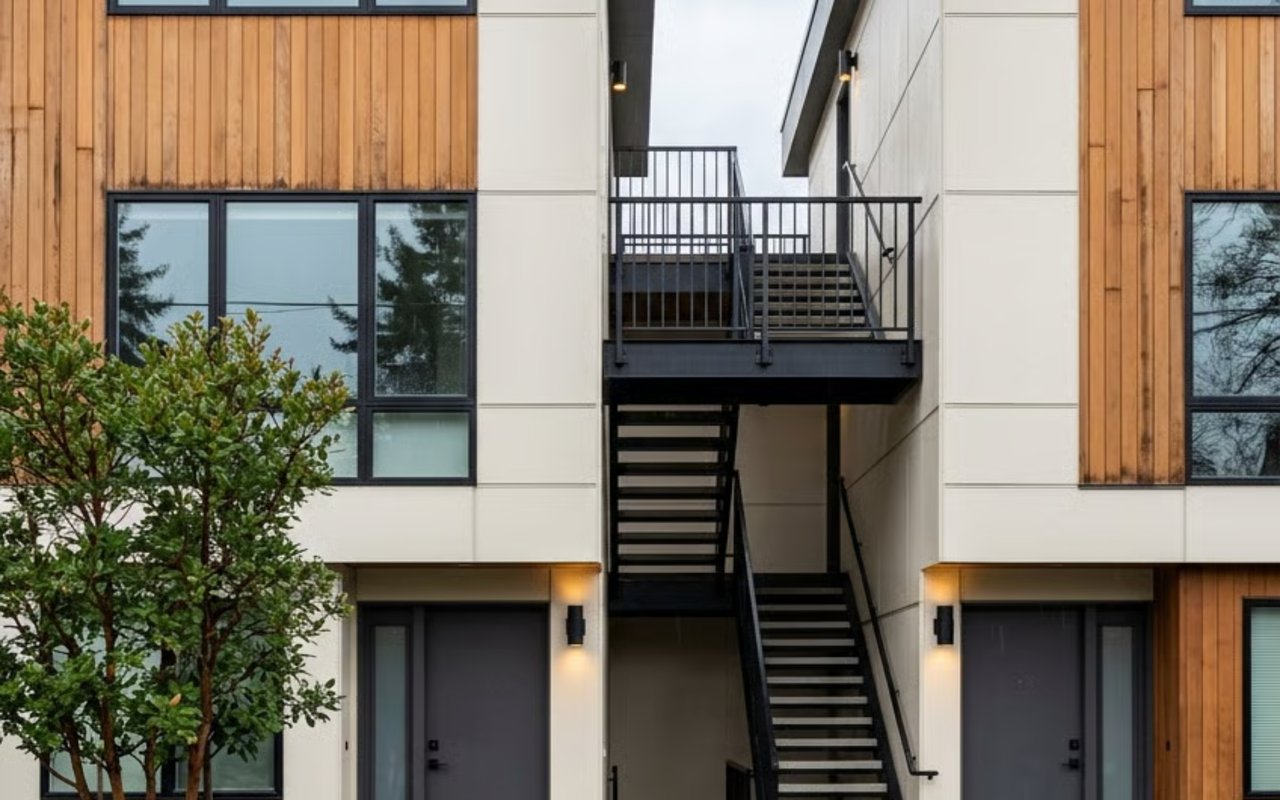
Layouts are often spread across two or three levels. A common setup includes the living area and kitchen on the main floor, with bedrooms upstairs and sometimes a loft, bonus area, balcony, patio, or small outdoor space.
You will also see a wide range in size and function. Some attached homes are compact and efficient, while others live more like a traditional house with multiple bedrooms, larger garages, and more separation between living spaces.
Parking Can Make a Big Difference
Around Downtown Kent, parking is not a small detail. It is often one of the first things buyers should compare because spaces vary widely from one community to another.
Some homes include an individual garage plus extra parking. Others may offer tandem parking, a two-car garage, a mix of covered and uncovered spaces, or limited guest parking.
That matters even more if you live downtown and plan to commute, host visitors, or own more than one vehicle. A well-priced unit can feel less convenient over time if the parking setup does not match your daily routine.
The City of Kent also publishes free downtown parking options, including the Kent Station garage and several nearby public areas. The city notes that street parking is free in the evenings and on weekends, while the Kent Station garage tends to fill quickly on weekday mornings.
Transit Access Near Downtown Kent
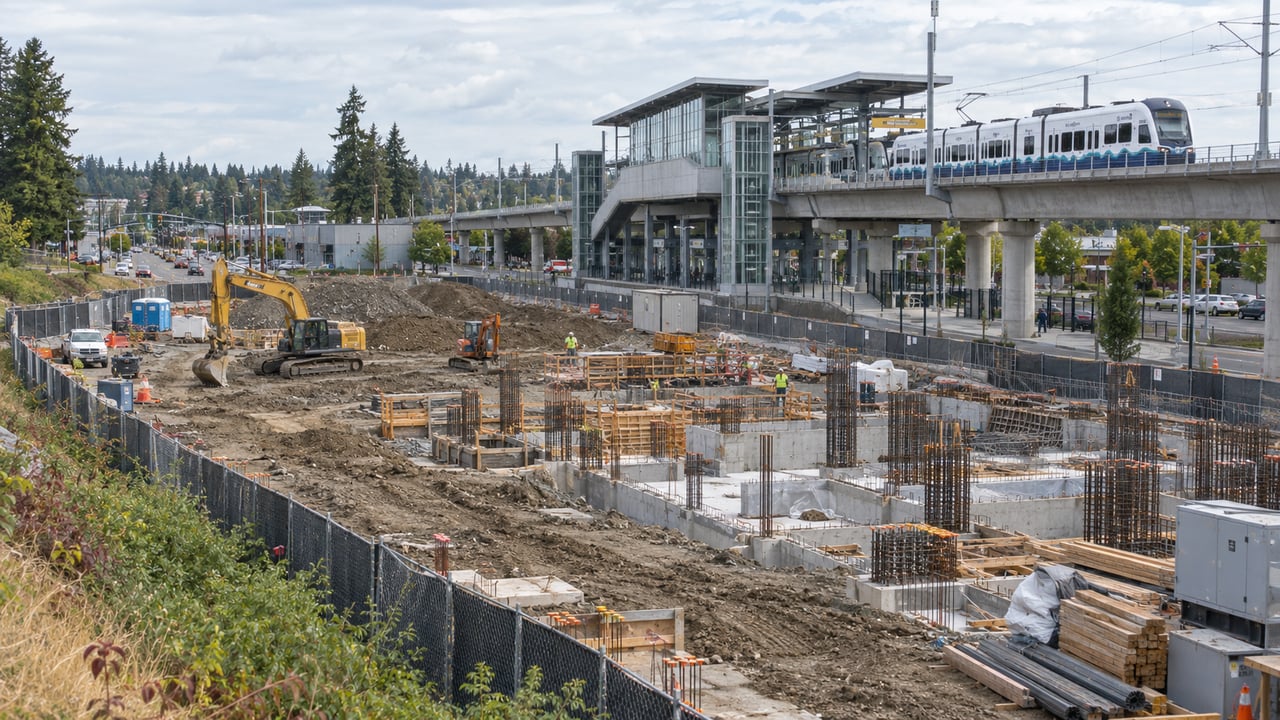
For many buyers, one of Downtown Kent’s biggest advantages is transportation access. Kent Station is served by the Sounder S Line on weekdays, and the station also includes parking, bike lockers, bike racks, nearby bus connections, and Metro Flex on-demand service.
The City of Kent notes that Metro and Sound Transit bus routes run through the city every day and night. The free DART 914/916 shuttle also serves Downtown Kent and the East Hill.
If your workday depends on a train, bus, or flexible commute options, this area can be worth a closer look. Even if you drive most of the time, being near multiple transportation options can still support convenience and long-term resale appeal.
HOA Fees Matter More Than You Think
When you buy a condo or townhome, the monthly HOA fee is part of the real housing cost. In Kent, those fees can vary sharply, and what they cover can differ just as much.
Public examples show HOA dues ranging from about $250 per month in one community to $405, $545, and even $618.76 per month in others. Some associations cover only common-area maintenance, while others may include services such as lawn care, sewer, trash, water, road maintenance, or snow removal.
That is why a lower list price does not always equal lower monthly cost. A home with a higher HOA fee may include more shared expenses, while a lower fee may leave more costs in your hands.
As you compare options, ask for a simple breakdown of what the dues cover and what they do not. That one step can make your monthly budget much clearer.
Community Size Changes the Experience
Not every condo or townhome community functions the same way. In Kent, public records show everything from very small two-unit buildings to much larger communities with dozens or even more than 100 units.
Smaller associations may feel quieter or more private. Larger communities may spread costs differently and often operate with more formal rules and systems.
Neither setup is automatically better. The right fit depends on how you want the property managed, how much structure you are comfortable with, and what kind of shared environment works for your lifestyle.
Watch for Reserve Health and Assessments
This is one of the most important parts of buying an attached home. Before you move forward, you will want to understand the association’s financial health, reserve planning, and any history of special assessments.
One Kent townhouse listing noted a $60,000 special assessment related to siding, windows, and roofing work, with the seller paying it at closing. That example shows why buyers should never treat HOA documents as a minor formality.
In practical terms, you want to know whether the building has been maintaining major components over time and whether upcoming projects could affect your costs after closing. A lower purchase price can lose some of its appeal if a large assessment is around the corner.
Smart Questions to Ask Before You Buy
If you are comparing townhomes and condos around Downtown Kent, these questions can help you sort through the options:
- What does the HOA fee cover, and what does it not cover?
- Is parking deeded, assigned, tandem, covered, or limited to guest spaces?
- How old are the roof, siding, windows, exterior paint, and major shared systems?
- Are there reserve studies, recent special assessments, or upcoming capital projects?
- Are there rental caps, pet rules, or owner-occupancy requirements?
- Does the layout work for your daily routine, storage needs, and future resale?
- How close is the home to Kent Station, bus or shuttle service, and public parking options?
These questions can help you compare homes more accurately than price per square foot alone. In this market segment, the details really do shape value.
Who Might Like Downtown Kent Living
Townhome and condo living around Downtown Kent can make sense for a wide range of buyers. You might be looking for a first step into homeownership, a lower-maintenance setup, or a location with easier access to transit and downtown amenities.
It can also work well if you want enough space to live comfortably without taking on the full cost and upkeep of a detached house. Depending on the building, you may find layouts with multiple floors, attached garages, patios, balconies, or bonus spaces that feel more flexible than you expected.
The key is to stay focused on how the property works for your real life. Around Downtown Kent, the best value often comes from balancing price, HOA structure, parking, condition, and location together.
If you want experienced, steady guidance as you compare attached homes in Kent, Joe Perkins can help you evaluate the details, narrow your options, and move forward with clarity.
FAQs
What is the Typical Price Range for Condos and Townhomes in Kent?
- Current Kent-wide pricing signals show median listing prices around $325,000 for condos and $455,000 for townhouses, though individual homes around Downtown Kent can fall below or above those numbers.
What Should Buyers Compare Beyond Price in Downtown Kent Condos and Townhomes?
- Buyers should compare HOA fees, what those dues cover, parking setup, building age, layout, reserve health, assessment history, and proximity to transit and downtown amenities.
What Kinds of Layouts Are Common in Downtown Kent Attached Homes?
- Many attached homes in and around Downtown Kent have two- or three-level layouts, often with living areas on the main level and bedrooms upstairs.
What Transit Options Are Available Near Downtown Kent?
- Kent Station offers weekday Sounder S Line service, parking, bike storage, Metro Flex on-demand service, and access to nearby bus routes, while the City of Kent also notes daily bus service and the free DART 914/916 shuttle serving downtown.
Why Do Hoa Documents Matter When Buying a Kent Condo or Townhome?
- HOA documents can reveal what the monthly dues cover, how healthy the reserves are, whether there have been special assessments, and whether there are rules that could affect your use of the property.