Trying to decide between a brand-new home and an existing one in Auburn? You are not alone. It is a common question for buyers who want the right mix of condition, location, timing, and long-term fit. In Auburn, that decision is especially important because new construction and resale homes often show up in very different parts of the city and offer very different living experiences. Let’s dive in.
Auburn Homes Are Not One-size-fits-all
Auburn works more like a group of submarkets than one uniform housing market. The city identifies eight planning neighborhoods, including West Hill, North Auburn, Lea Hill, Downtown, South Auburn, Plateau, Lakeland, and Southeast Auburn, while also noting these are planning tools rather than fixed neighborhood boundaries.
That matters when you compare new construction versus resale homes. A home’s setting, street feel, and nearby development pattern can vary quite a bit from one area to the next, and sometimes even block by block. In other words, the best choice is not just about the age of the house. It is also about where in Auburn you want to be.
Where New Construction is Showing Up
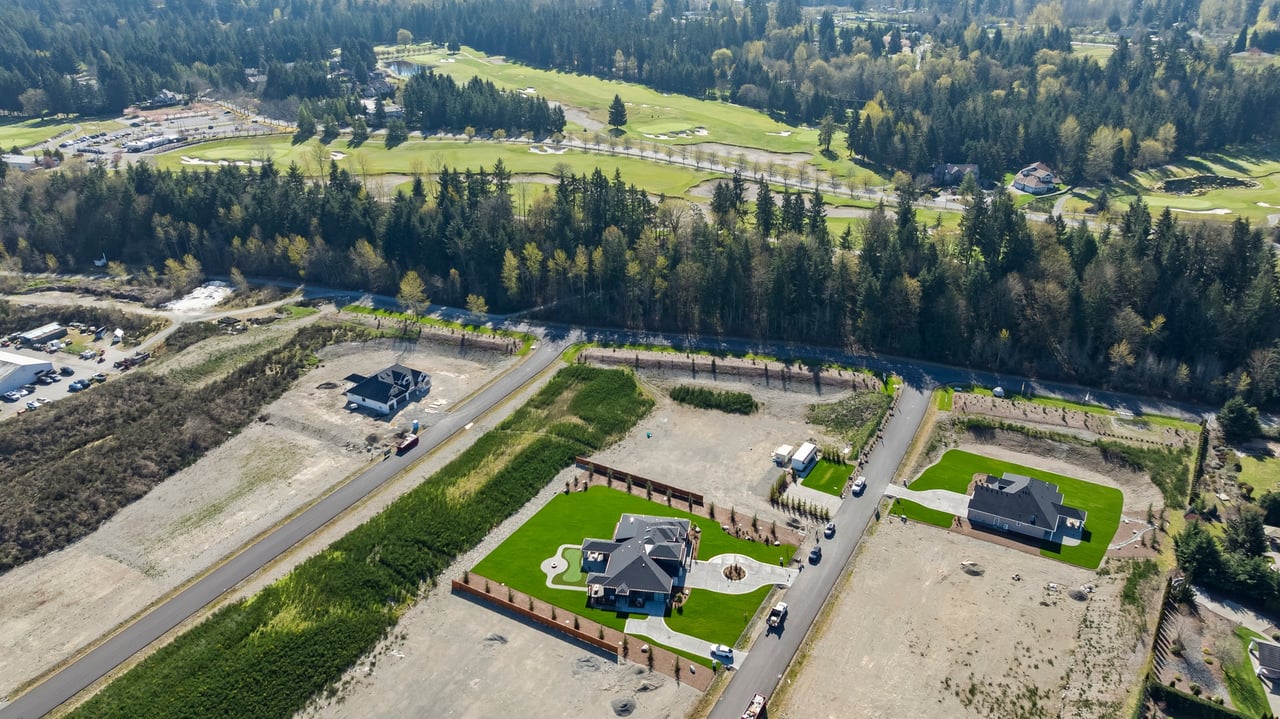
Recent city updates suggest Auburn’s new single-family construction pipeline is concentrated in specific areas rather than spread evenly across the city. In its 2026 State of the City address, Auburn said it issued permits for 60 new single-family homes in 2025 and is on track to create more than 300 new single-family lots in 2026, with major developments on Lea Hill, West Hill, and in Lakeland Hills.
That gives buyers a practical clue. If you are hoping for a newer detached home, these areas may offer more opportunities than older established parts of Auburn. Lakeland Hills is a useful example of a planned residential setting, with city materials describing Lakeland Hills Park as a neighborhood-scale park serving the surrounding development.
Where Resale Homes May Stand Out
Resale homes can be found across Auburn, but they often appeal most when you want to evaluate the exact home and surrounding context before you commit. You can see the mature landscaping, street layout, traffic pattern, and the overall feel of the immediate area in real time.
That can be especially valuable in a city like Auburn, where planning-area names do not operate like hard boundaries. If you want a more established setting or simply want to know exactly what you are buying on day one, resale homes often offer that clarity.
Downtown Auburn is a Different Product Type
Downtown Auburn deserves its own category in this conversation. The city describes downtown as a regional growth center with its own Downtown Subarea Plan, Downtown Urban Center zoning, commuter rail access, and a Planned Action process meant to streamline qualifying development review.
In practical terms, downtown points toward a different housing experience than newer detached-home growth areas. Auburn’s Housing Action Plan says downtown market-rate housing is typically new, high-amenity apartments in growth areas with good transit access. It also notes that smaller downtown lots may need to be combined for denser projects, which can add time to development.
For buyers comparing options, this means “new construction in Auburn” does not always mean the same thing. On Lea Hill, West Hill, or in Lakeland Hills, it may mean a new detached house. Downtown, it may point more toward attached or mixed-use housing near transit, with parking and redevelopment considerations playing a bigger role.
Benefits of New Construction in Auburn
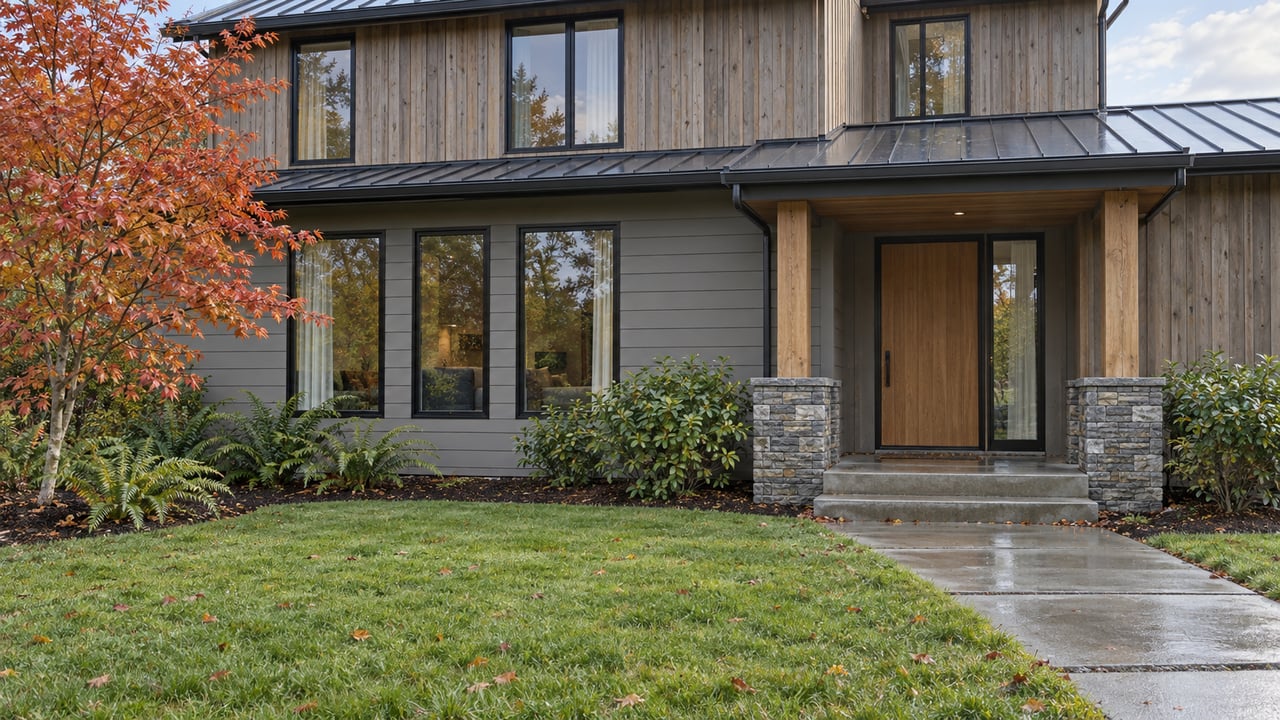
New construction often appeals to buyers who want a home with newer layouts, more standardized condition, and fewer immediate unknowns. Because the home is new, you are typically not inheriting years of wear, patchwork updates, or older major systems.
In Auburn, there is also a process advantage to understand. The city’s Building Services division handles plan checks, issues building permits, and performs required inspections to confirm compliance with building codes and applicable law. That formal review process gives buyers a framework for understanding how the home moves from construction to occupancy.
If energy performance matters to you, some new homes may also offer third-party verification. If a builder markets ENERGY STAR certification, EPA says the home must undergo third-party inspections and testing and be designed to exceed minimum energy code requirements by at least 10%, while also meeting requirements for insulation, windows, air sealing, and HVAC systems.
Why Buyers Choose New Builds
- Newer floor plans and finishes
- Potential access to current growth areas like Lea Hill, West Hill, and Lakeland Hills
- More predictable condition at move-in
- Possible third-party energy-performance verification on some homes
- Less need for immediate repair planning compared with some older homes
New Construction Trade-offs to Weigh
The biggest new-construction advantage is not always timing. Auburn states that all permits require a final inspection, and occupancy of new structures is prohibited before a Certificate of Occupancy is issued. That means your move-in date may depend on permit status, inspections, final site completion, and Certificate of Occupancy issuance.
That timeline can feel different from a traditional resale closing. Even if the home looks close to finished, final approvals still matter. If you are on a tight relocation schedule or coordinating the sale of another home, this is one of the most important details to confirm early.
You will also want to confirm jurisdiction. Some properties with an Auburn mailing address are outside Auburn city limits, which means permits and inspections may be handled by a different local authority. That is an easy detail to miss if you assume every Auburn address falls under the same rules.
Questions to Ask on a New Build
- Is the property inside Auburn city limits?
- Which jurisdiction is handling permits and inspections?
- Which inspections have already passed?
- When is the Certificate of Occupancy expected?
- Is the home in an HOA or common-interest community?
- What do the dues cover?
- Does the home have ENERGY STAR or similar third-party verification?
Benefits of Buying a Resale Home
A resale home offers one major advantage that many buyers value: you can evaluate a completed, lived-in property before you buy it. You are not making decisions from plans, selections, or a partially finished product. You can walk the home, assess the lot, and see the neighborhood context as it exists today.
The inspection period is also a key benefit. Consumer guidance cited in the research notes that buyers should schedule an independent inspection as soon as possible, and that a satisfactory-inspection contingency may allow you to cancel without penalty if the findings are not acceptable. That can create room to negotiate repairs or reconsider the purchase if major issues come up.
Washington also licenses home inspectors through the Department of Licensing. That gives you a straightforward way to verify a home inspector’s credentials before you hire one, which adds another layer of confidence to the process.
Resale Trade-offs to Weigh
With a resale home, condition can vary widely. A house may reflect its original build quality, years of maintenance, and any remodels or additions completed along the way. That is why due diligence matters so much.
Inspection findings can affect both negotiations and closing. The research specifically notes that serious flaws, such as a cracked foundation, may complicate financing or lead a buyer to cancel when the contract includes an inspection contingency. Even when problems are manageable, they can still affect budget and timing.
Questions to Ask on a Resale Home
- What did the independent inspection find?
- Are any repairs required before closing?
- How old are the roof, HVAC, plumbing, electrical, and drainage systems?
- Have major systems been updated?
- Is the property part of an HOA or common-interest community?
- Are there assessments, reserve-fund concerns, or pending repairs?
Hoa Review Matters for Both
Whether you buy new construction or resale in Auburn, HOA review can be a major part of your due diligence. Washington law gives associations broad powers to adopt rules, set budgets, levy assessments, and regulate common areas.
For units in common-interest communities, the seller must provide a resale certificate before contract execution or conveyance, and that certificate must disclose items such as assessments, fees, reserve-study status, budgets, financial statements, legal actions, insurance, and certain code-violation notices. That information can shape your true monthly cost and your understanding of the community’s financial health.
Buyers should go beyond asking for the monthly dues amount. You should also ask what the dues cover, whether special assessments exist, whether reserves appear adequate, and whether the community is still controlled by a declarant or has transitioned to owner control.
Parking and Transit Can Shape Downtown Choices
If you are considering downtown Auburn, parking and transit deserve extra attention. The city’s downtown planning reflects redevelopment goals, Sounder commuter service, and the need to balance parking for residents, businesses, visitors, and commuters.
That means your comparison may go beyond the home itself. If you are deciding between a downtown attached home and a detached resale or new-build option elsewhere in Auburn, your daily routine may look very different depending on access, parking expectations, and proximity to commuter rail.
Which Option Fits You Best?
There is no universal winner between new construction and resale homes in Auburn. The better fit depends on how you prioritize condition, timeline, location, and the type of community you want.
New construction may fit you best if you want newer layouts, a more standardized condition, and a home in one of Auburn’s active growth areas. Resale may fit you best if you want a faster path to occupancy, the ability to inspect the exact home you are buying, and a clearer view of the finished neighborhood context.
In Auburn, the choice often comes down to submarket as much as home type. You may be comparing a planned-community detached home in Lakeland Hills, a newer lot on Lea Hill or West Hill, a denser downtown option near transit, or an established resale home where the setting is already fully visible. A clear strategy and careful review of the property details can make that choice much easier.
If you want help comparing new construction and resale options in Auburn, Joe Perkins can help you weigh the trade-offs, review the details, and move forward with a clear plan.
FAQs
What is the Main Difference Between New Construction and Resale Homes in Auburn?
- In Auburn, new construction is often concentrated in areas like Lea Hill, West Hill, and Lakeland Hills, while resale homes may offer more established surroundings and the chance to evaluate the exact finished property before you buy.
What Should You Ask Before Buying a New Construction Home in Auburn?
- Ask whether the home is inside Auburn city limits, which jurisdiction handles permits and inspections, which inspections have passed, when the Certificate of Occupancy is expected, whether there is an HOA, and whether any third-party energy verification applies.
Why is a Home Inspection Important for Resale Homes in Auburn?
- A resale inspection helps you identify condition issues before closing, understand possible repair costs, and decide whether to negotiate, move forward, or cancel under an inspection contingency if the contract allows.
Do Hoa Rules Matter for Both New and Resale Homes in Auburn?
- Yes. HOA or common-interest community review can affect your monthly costs, use of common areas, reserve planning, assessments, and overall ownership expectations whether the home is newly built or already existing.
Is Downtown Auburn the Same as Other New-home Areas in Auburn?
- No. Downtown Auburn is a distinct submarket shaped by urban-center zoning, redevelopment planning, commuter rail access, and parking considerations, while areas like Lea Hill, West Hill, and Lakeland Hills are more closely associated with newer detached-home development.
How Do You Choose Between a New Build and a Resale Home in Auburn?
- Start with your priorities. If you care most about newer finishes and growth-area inventory, a new build may fit better. If you want a completed home, faster occupancy, and a clearer picture of condition and surroundings, resale may be the better choice.