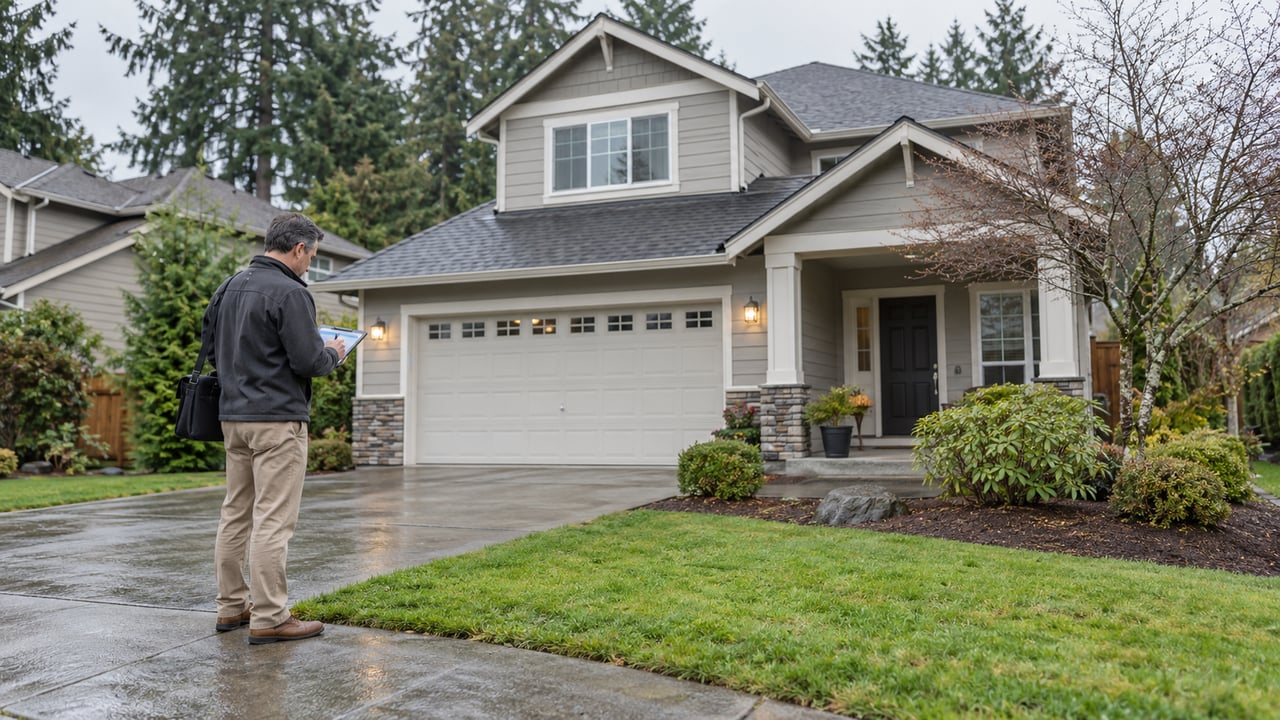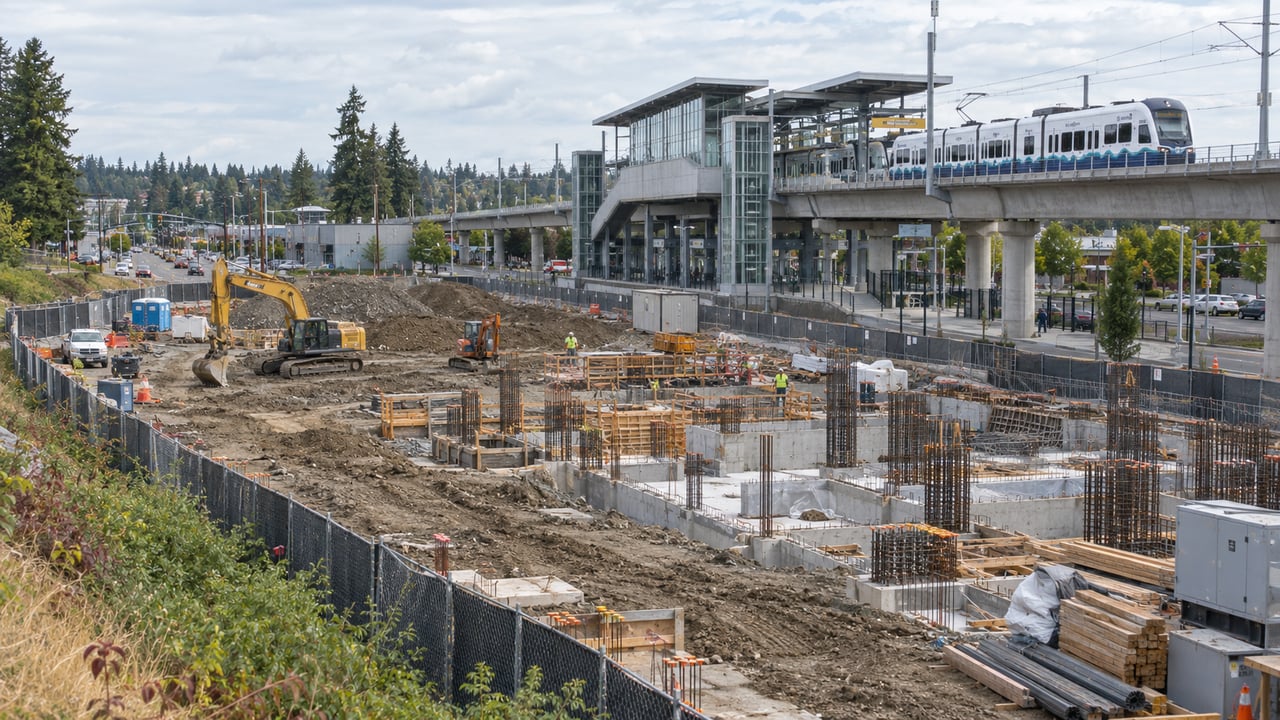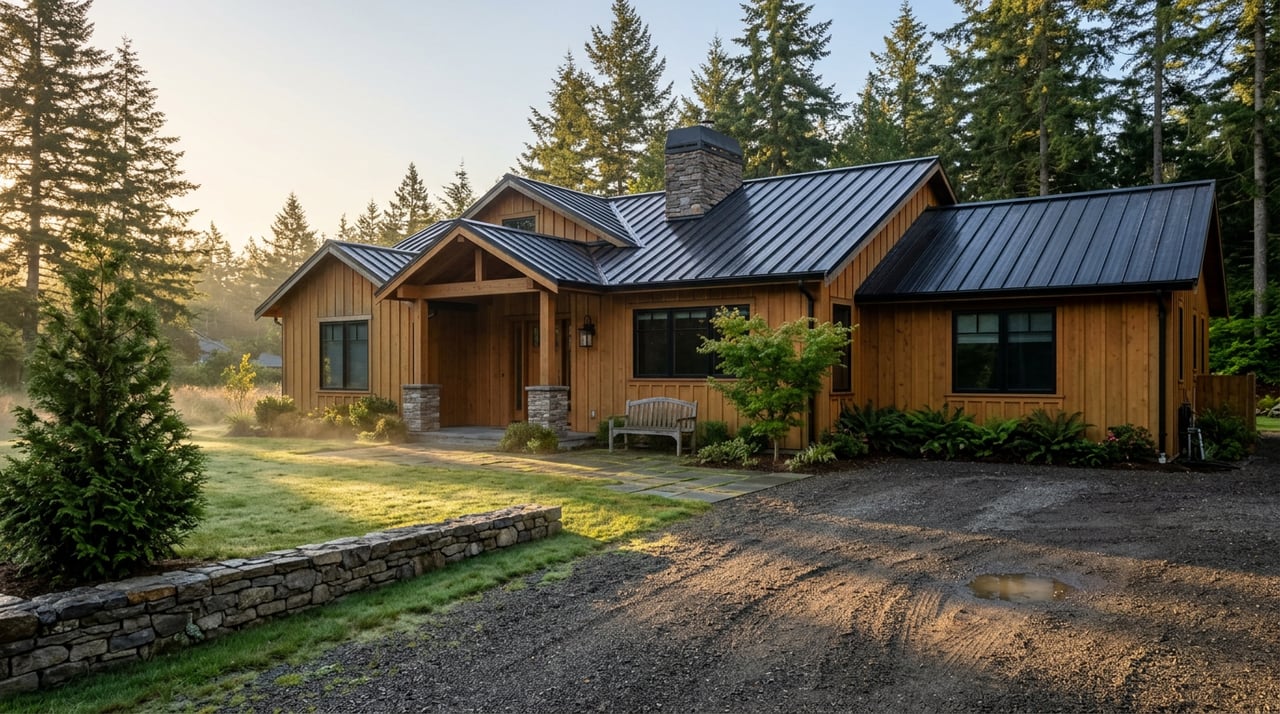
Are you planning a move to Washington State and wondering where to start? From choosing the right community to understanding costs and logistics, relocating can feel overwhelming, but it does not have to be.
Moving here is not just about a change in scenery. It is about finding your place. Whether you are drawn to Maple Valley’s small-town charm, Bonney Lake’s family-friendly neighborhoods, or the peaceful lifestyle in Black Diamond, this guide from Perkins & Associates will walk you through what to know before you make the move.
At Perkins & Associates, we help families, professionals, and out-of-state buyers transition smoothly into life in the Pacific Northwest. If South King County is on your radar, this guide will give you a clearer picture of what to expect.
What Makes Washington State a Popular Place to Move?
Washington State appeals to new residents because it offers a strong mix of natural beauty, career opportunity, and quality of life.
The Evergreen State gives residents access to city convenience, mountain views, water recreation, and year-round outdoor activities. From the tech and business opportunities around Seattle and Bellevue to the quieter suburban communities in South King County, Washington offers a lifestyle that can work for many types of buyers.
Residents are often drawn to:
-
Strong job markets in technology, healthcare, education, aerospace, and professional services
-
Outdoor recreation, including hiking, skiing, boating, fishing, and biking
-
Access to parks, trails, lakes, and mountain destinations
-
Established communities with local events, schools, and neighborhood amenities
-
No state income tax, which can be a meaningful factor for some relocating professionals
For buyers moving from California, Oregon, or other high-cost markets, parts of South King County may offer more space and a different pace of life compared with larger urban centers.
Which South King County Communities Should Relocating Buyers Consider?
South King County is a strong option for buyers who want access to the greater Seattle and Tacoma region while still enjoying more room, neighborhood charm, and community connection.
Three areas that often stand out for relocating buyers are Maple Valley, Black Diamond, and Bonney Lake. Each offers a different lifestyle, so the right fit depends on your commute, budget, housing needs, and daily routine.
Maple Valley
Maple Valley is known for its community feel, access to outdoor recreation, and the Tahoma School District.
Buyers often appreciate the area’s parks, trails, local shops, and suburban comfort. It can be a good fit for those who want a quieter setting while still being within reach of Seattle, Bellevue, Tacoma, and the surrounding employment centers.
Black Diamond
Black Diamond blends natural beauty with new development and a slower-paced lifestyle.
The area includes established neighborhoods as well as newer communities such as Ten Trails. For buyers who want trails, open space, newer homes, and a growing community environment, Black Diamond is worth exploring.
Bonney Lake
Bonney Lake offers scenic views, lake access, and a suburban lifestyle with growing amenities.
Many relocating buyers are drawn to its mountain views, neighborhood feel, and access to shopping, dining, parks, and commuter routes. It can be a strong choice for buyers who want more space while staying connected to the broader Puget Sound region.
At Perkins & Associates, we help buyers compare these communities based on lifestyle, commute, budget, schools, and long-term goals. The right neighborhood is not just about what looks good online, it is about what fits your everyday life.
How Much Does It Cost to Live in Washington State?
The cost of living in Washington varies widely depending on where you settle.
Seattle and Bellevue are typically on the higher end, while South King County can offer more attainable options for buyers who want access to the region without being in the middle of the city. Housing is usually the biggest difference, but utilities, groceries, transportation, and taxes should all be part of your relocation budget.
Here are a few costs to consider:
-
Housing: Home prices vary by city, neighborhood, lot size, and property type. South King County may offer more space for the price compared with Seattle or Bellevue.
-
Utilities: Monthly utility costs depend on home size, heating source, usage, and season.
-
Groceries and dining: Prices are generally comparable to other major West Coast metro areas.
-
Transportation: Commute routes, gas, parking, public transit access, and tolls can all affect your monthly budget.
-
Taxes: Washington does not have a state income tax, but sales tax and property taxes should be factored into your planning.
If you are moving from another state, it is helpful to compare your full monthly lifestyle cost, not just the home price. A local agent can help you understand how different communities may affect your day-to-day budget.
What Should You Know About Jobs, Taxes, and Climate Before Moving?
Before moving to Washington, it is important to understand how the job market, tax structure, and climate may affect your lifestyle.
Washington’s economy is supported by major industries such as technology, aerospace, healthcare, education, logistics, and small business. Many residents also work remotely or on a hybrid schedule, which has made communities outside Seattle more attractive for buyers who want extra space.
Job Market
Washington has a diverse job market, especially in the Puget Sound region.
Major employers in and around the region include companies in technology, aerospace, healthcare, education, and professional services. For many relocating professionals, South King County offers a way to stay within reach of employment hubs while enjoying a more residential setting.
Taxes
Washington does not have a state income tax, which can be a major benefit for some residents.
However, the state does have sales tax, property taxes, and other costs that vary by location. When planning your move, look at the full tax picture so you understand how your income, spending, and housing costs may change.
Climate
Western Washington is known for mild, wet winters and warm, dry summers.
Newcomers should expect gray skies and rain during the cooler months, but the tradeoff is lush greenery, mountain views, and beautiful summers. If you love hiking, boating, skiing, or exploring parks, the climate supports an active outdoor lifestyle throughout the year.
How Can Perkins & Associates Make Your Relocation Easier?
Perkins & Associates helps relocating buyers make confident decisions before, during, and after their move.
Relocating to a new state involves more than finding a house. You may be comparing school districts, commute routes, neighborhoods, moving timelines, financing options, and local services all at once. Having a local team can make that process feel much more manageable.
Our relocation support can include:
-
Personalized consultations based on your lifestyle, budget, and timeline
-
Local insight on neighborhoods, schools, commute routes, and amenities
-
Guidance through the home search and purchase process
-
Help comparing communities before you visit in person
-
Vendor connections for moving, inspections, repairs, and home services
-
Support as you transition into your new community
Whether you are buying your first Washington home or relocating for work, our goal is to help you move with clarity and confidence.
What Steps Should You Take Before Moving to Washington?
The best way to reduce relocation stress is to make a plan before you arrive.
A move to a new state becomes easier when you understand your budget, narrow down communities, and connect with local professionals early. Use this checklist as a starting point.
Washington Relocation Checklist
-
Research neighborhoods: Compare commute times, schools, amenities, parks, and housing options.
-
Clarify your budget: Include your down payment, closing costs, moving expenses, deposits, utilities, and emergency reserves.
-
Visit before you buy: If possible, plan a trip to tour communities with a local agent.
-
Compare commute routes: Test drive or map your likely commute during peak travel times.
-
Explore temporary housing: A short-term rental may help if you want to learn the area before buying.
-
Work with a local real estate team: Local guidance can help you avoid surprises and make stronger decisions.
-
Plan arrival logistics: Update your driver’s license, voter registration, utilities, insurance, and mailing address after you move.
Moving to a new state is exciting, but the right support can make the difference between feeling overwhelmed and feeling prepared.
Ready to Make Your Move to Washington?
Relocating to Washington State can be the start of an incredible new chapter. With the right planning and local guidance, you can find a community that fits your lifestyle, budget, and long-term goals.
Perkins & Associates is here to help make your move seamless and enjoyable. From community comparisons to home tours and relocation planning, our team is ready to guide you every step of the way.
Ready to start your relocation journey?
Email [email protected] or call (206) 960-4985 to connect with Perkins & Associates and start planning your move to Washington.
Frequently Asked Questions
What is the Cost of Living Like in Washington State?
Washington’s cost of living varies by region. Seattle and Bellevue are usually more expensive, while communities in South King County may offer more space and value. Your actual cost will depend on housing, commute, taxes, utilities, and lifestyle.
Does Washington State Have Income Tax?
No, Washington does not have a state income tax. However, residents should still plan for sales tax, property taxes, and other local costs. A full budget comparison is helpful before relocating from another state.
Which Areas Should I Consider if I Am Moving to South King County?
Maple Valley, Black Diamond, and Bonney Lake are popular options for buyers looking for community, access to outdoor recreation, and a suburban lifestyle. Each area has a different feel, so it is important to compare commute routes, amenities, schools, and housing options.
How Long Does It Take to Feel Settled After Relocating?
Many families and professionals need a few months to feel fully settled after moving to a new state. Finding local services, learning commute patterns, enrolling in schools, and building community all take time. Working with a local real estate team can help make the transition smoother.
Do I Need a Local Agent if I Am Relocating From Out of State?
Yes, a local agent can be extremely helpful when relocating. Online research is a good start, but it cannot always show neighborhood nuances, commute realities, school boundaries, or local market conditions. A local team like Perkins & Associates can help you make informed decisions before you move.