Kent WA job corridors matter because housing demand often follows where people work, shop, commute, and access daily services. Recent job-listing activity shows continued retail and service-sector hiring in Kent, while the city’s broader economy remains tied to the Kent Valley, downtown, transit access, and major commercial corridors.
The important point is this: Kent should not be analyzed as one single real estate market. A rental property near Kent Station is different from a home on East Hill, a townhome near a retail hub, or housing close to Kent Valley industrial employers.
Our team looks at Kent through that corridor-based lens. For investors, buyers, and relocating families, the question is not simply “Is Kent growing?” The better question is, “Which Kent corridors are best positioned to support steady housing demand, and why?”
What Is Retail Job Density in Kent, WA?
Retail job density in Kent refers to the concentration of retail and service-sector jobs around shopping centers, commercial corridors, transit areas, and employment hubs. It is not just about how many stores exist. It is about where jobs cluster and how those clusters connect to housing, transportation, and renter demand.
Current job boards show active retail hiring in Kent, including sales, customer service, merchandising, grocery, and store operations roles. This is useful as a current hiring signal, though job-board counts change frequently and should not be treated as fixed employment data.
That distinction matters for real estate. Retail hiring data can point to activity, but investors and buyers should combine it with local planning, transportation access, employer concentration, and housing supply. A strong corridor is usually supported by more than one demand driver.
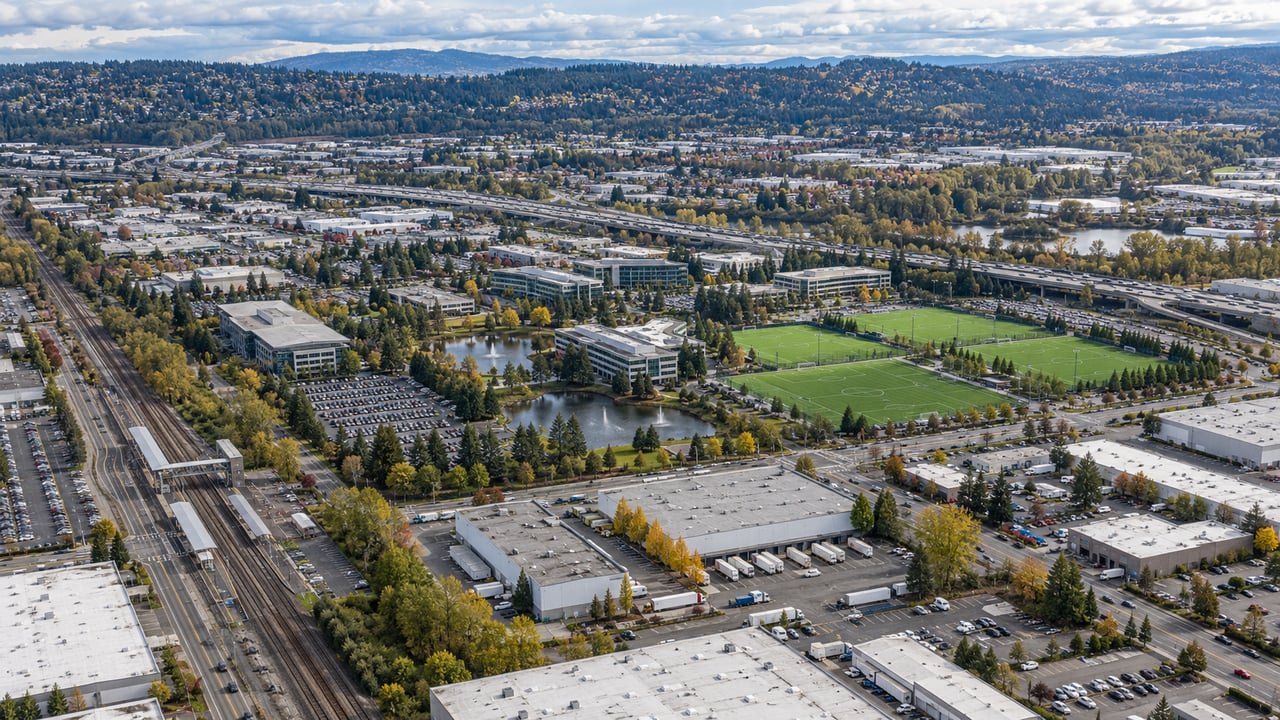
In Kent, retail and service hiring sits alongside a much larger employment base. Kent Valley is the bigger demand engine because it connects industrial, logistics, manufacturing, distribution, retail, and commercial activity in one central South King County location. Kent Valley Economic Development describes Kent Valley as a major commerce hub with extensive commercial and industrial square footage, and the City of Kent identifies the area as a jobs destination for aerospace, advanced manufacturing, and global trade.

Why Do Kent’s Job Corridors Matter for Real Estate?
Kent’s job corridors matter because renters and buyers often prioritize commute time, daily convenience, and access to work. When employment clusters near transit, retail, services, and housing, that area may support steadier rental demand than a location that depends on one isolated feature.
The City of Kent’s 2044 Comprehensive Plan is designed to guide long-term decisions around housing, jobs, transportation, development, environmental resources, and daily life.
That planning context matters because Kent is preparing for growth over time, not simply reacting to short-term market movement. The land use materials for the Kent Comprehensive Plan reference the need to accommodate 10,200 new housing units and 32,000 new jobs by 2044 under Washington’s Growth Management Act planning framework.
For real estate, this supports a careful but meaningful takeaway: Kent’s long-term housing demand is likely to be shaped by where jobs, transit, and housing capacity concentrate. That does not guarantee future appreciation or rent growth. It does mean investors and buyers should study corridor-level demand instead of relying on citywide assumptions.
For a broader South King County perspective, readers may also want to review South King County real estate trends and how different cities move at different speeds.
Where Are Kent’s Key Retail and Employment Corridors?
Kent’s key real estate corridors include downtown Kent and Kent Station, the Kent Valley industrial area, East Hill retail and residential areas, West Hill commuter neighborhoods, and major arterial routes that connect jobs, services, and housing. Each corridor has a different housing demand profile.
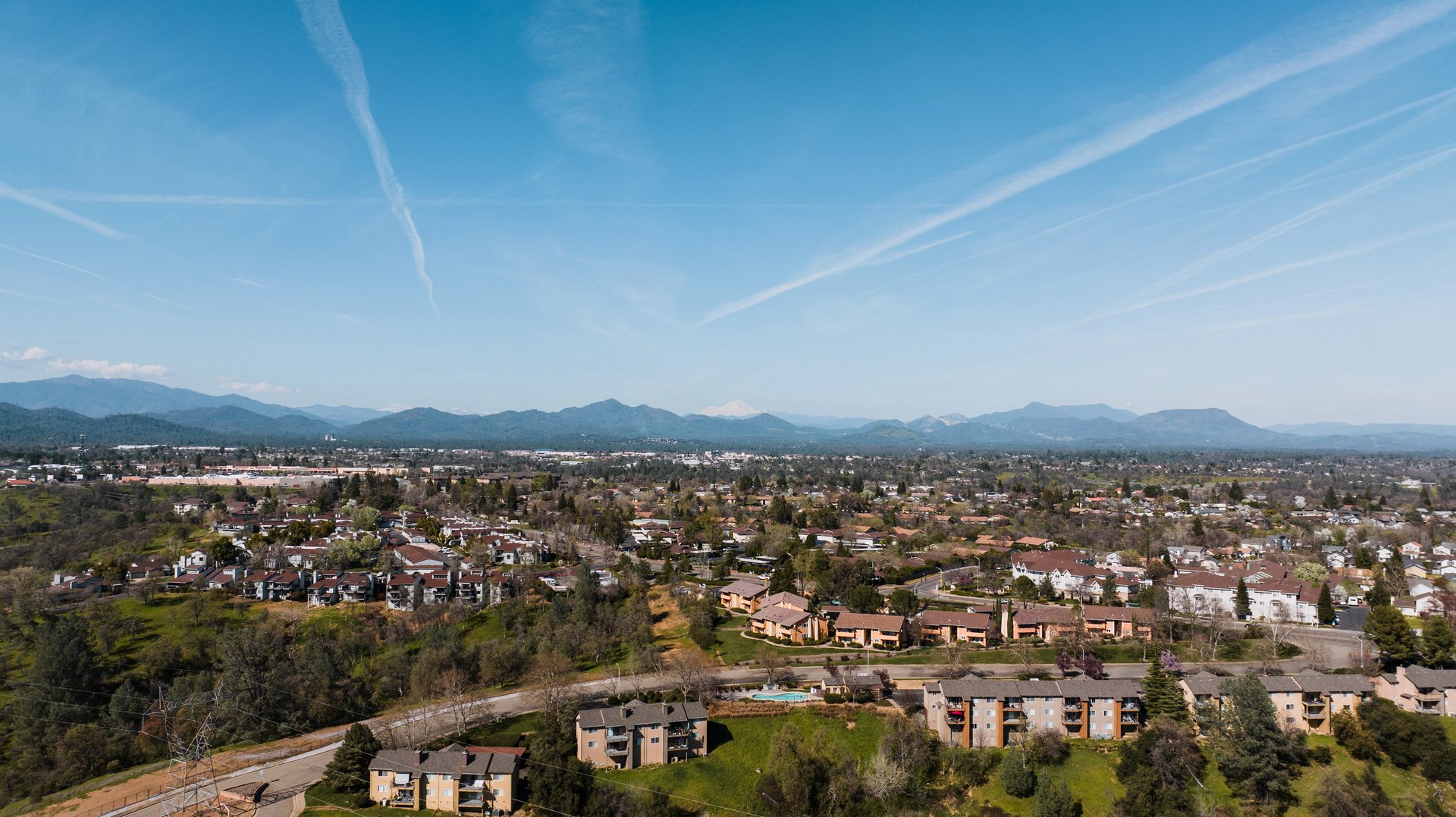
The City of Kent’s economic outlook describes Kent as the third largest city in King County, centered around a vibrant industrial valley with residential and commercial service areas on the east and west hills. Source:
That structure is exactly why corridor analysis matters. Kent is not a single flat rental market. It has multiple submarkets that serve different renters, buyers, and employers.
Kent Station and Downtown Kent
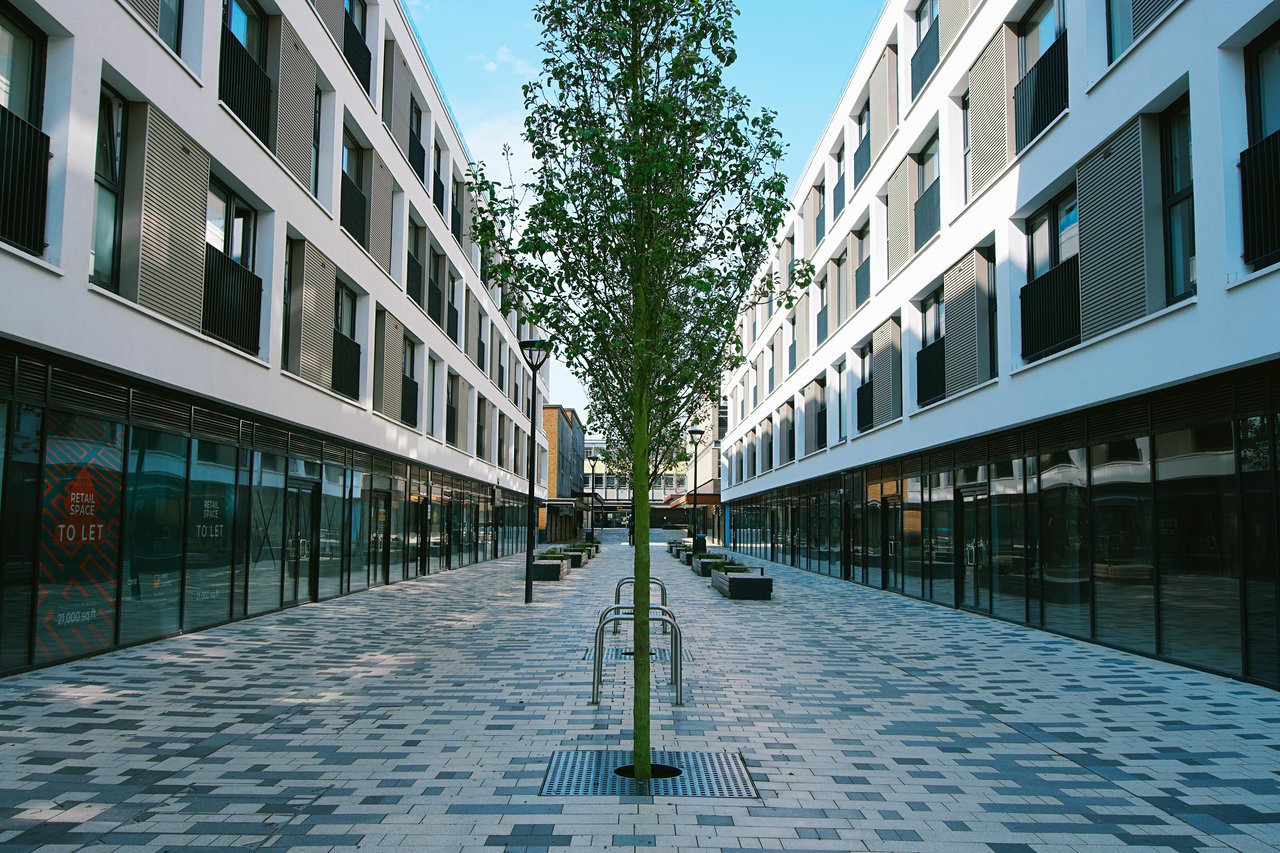
Kent Station and downtown Kent are important because they combine transit access, retail, services, restaurants, civic uses, and housing opportunities. This is where walkability and commute access can become part of the same real estate story.
Sound Transit’s transit-oriented development work at Kent Des Moines Station also reinforces the broader regional push to connect housing and transit near station areas. The Kent Des Moines Station TOD project includes affordable housing and community space planning near transit, with proposed units serving households across a range of area median income levels.
For buyers and investors, the practical question is whether a property benefits from access to transit, employers, and daily needs. A rental close to transportation and services may appeal to renters who want to reduce commute friction, but parking, noise, building condition, and tenant profile still matter. For broader regional context, South King County transit routes and housing can help buyers understand why transit-connected corridors deserve closer attention.
Kent Valley Industrial and Commercial Areas
Kent Valley is the employment engine that shapes much of the city’s housing demand. It is heavily tied to manufacturing, warehousing, logistics, aerospace, distribution, and commercial activity.
Kent Valley Economic Development describes the area as a prime hub for commerce with more commercial and industrial square footage than Seattle, the Eastside, and the Northend combined.
This employment base can support workforce housing demand, especially for renters who want access to jobs in the valley or along nearby transportation routes. Investors should look carefully at commute routes, transit options, parking, rental competition, and the condition of nearby housing stock.
East Hill Retail and Residential Corridors
East Hill is important because it combines residential neighborhoods, retail services, schools, and daily shopping patterns. Retail job density in these areas may support renter demand from people who work nearby, want daily convenience, or need access to service-sector jobs.
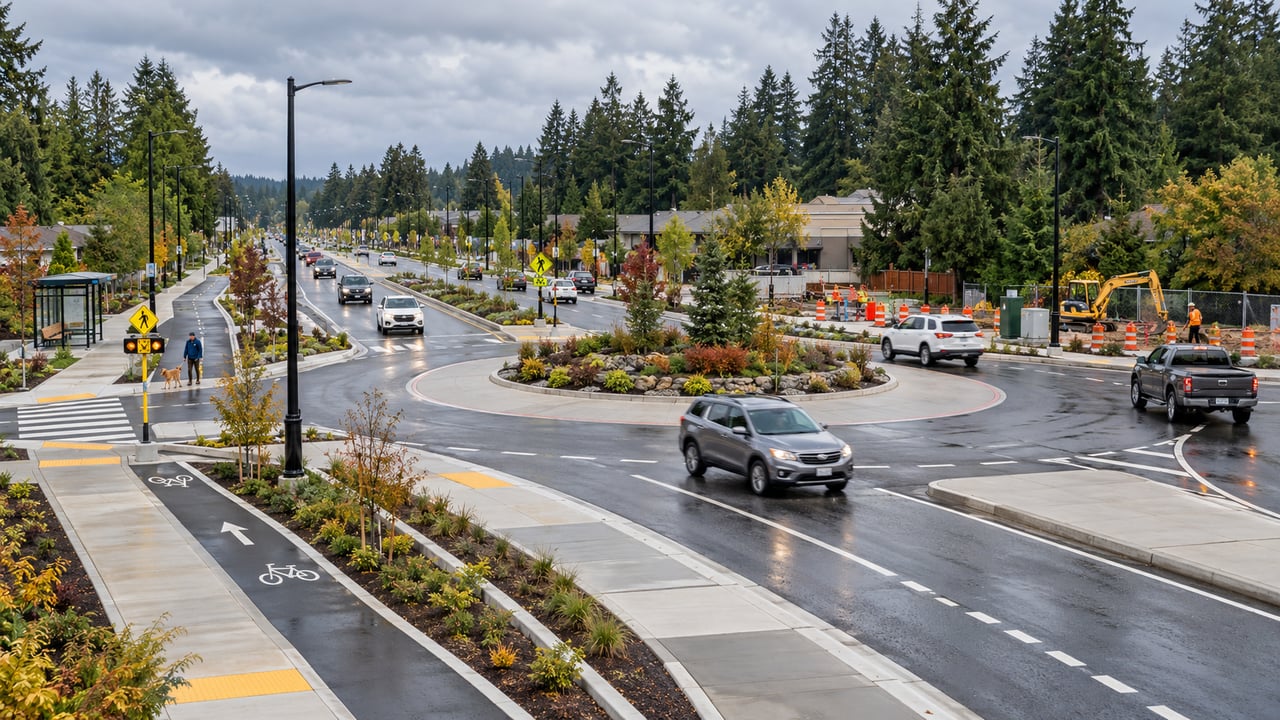
A property near grocery stores, pharmacies, restaurants, childcare, transit routes, and major roads may be easier for some renters to live in because it reduces the number of daily errands that require long trips. That convenience can be meaningful, especially in a city where commutes can vary significantly by route and time of day.
West Hill and Commuter-Friendly Areas
West Hill and other commuter-oriented parts of Kent may appeal to renters and buyers who need access toward SeaTac, Tukwila, Federal Way, Renton, or Seattle. These areas are not always driven by retail jobs alone. They may be shaped by regional commute patterns, airport-area employment, freeway access, and nearby services.
For buyers, this is where it helps to study commute time in your home-buying decision before committing to a location.
How Could Retail and Service Jobs Shape Rental Demand in Kent?
Retail and service jobs can shape rental demand by increasing the need for conveniently located apartments, townhomes, workforce housing, and rentals near daily job centers. The effect is usually strongest where jobs overlap with transit, affordable housing options, and practical commute routes.
A renter working in retail or service roles may prioritize different features than a remote worker or a luxury buyer. They may care about bus access, parking, shorter commute times, nearby shopping, flexible housing costs, and proximity to multiple employers.
That is why Kent’s mix of retail, logistics, manufacturing, and service-sector work matters. Retail alone may not carry a submarket. But retail plus industrial employment, transit, grocery access, schools, and daily services can create stronger demand signals.
For investors, this means the better question is not “Are there retail jobs nearby?” The better question is:
-
Are there multiple employment sources nearby?
-
Is there reliable access to transit or major roads?
-
Are there enough daily services to support renters?
-
Is the housing type aligned with local tenant demand?
-
Are rents realistic for the local workforce?
This is also where affordability matters. Workforce renters often need housing that fits income, commute, and household needs. Investors should avoid assuming that every job corridor supports the same rent ceiling.
For more context on affordability and buyer pressure, see how Washington’s housing shortage is affecting King County.
What Should Investors Watch Near Kent Station and Downtown Kent?
Investors near Kent Station and downtown Kent should watch transit access, rental supply, parking changes, redevelopment activity, tenant demand, and the condition of nearby buildings. Station areas can be attractive, but they also require careful underwriting.
Kent Station and downtown Kent benefit from a mix of retail, restaurants, Sounder access, civic uses, and nearby housing. That combination can support renter interest, especially for people who want a more connected location within Kent.
However, investors should avoid oversimplifying station-area demand. A location near transit is not automatically a strong investment. Property condition, rent levels, operating costs, parking access, crime perceptions, tenant turnover, and competing supply all matter.
Recent local reporting also shows how transit-adjacent areas can change during construction. The Kent Reporter reported that Sound Transit planned to close Kent Station’s northwest Sounder surface parking lot from March 16, 2026 through the rest of the year due to construction of a new Sounder parking garage.
That kind of detail matters. Construction can be a short-term inconvenience, but it may also indicate long-term transit infrastructure investment. Investors should separate temporary disruption from durable location fundamentals.
Before making an offer, investors should also review property-specific details, leases, rent rolls, maintenance history, and realistic vacancy assumptions.
What Should Buyers and Relocating Families Consider in Kent?
Buyers and relocating families should consider Kent by lifestyle corridor, not just by city name. The right fit may depend on commute direction, school boundaries, home type, budget, access to services, and how often the household uses nearby retail or transit.
For families relocating to Kent, the job corridor conversation is still relevant. A home near retail services may make daily errands easier. A home near transit may support a commuter. A home near the Kent Valley may reduce drive time for someone working in industrial, logistics, or manufacturing roles.
At the same time, buyers should be realistic about tradeoffs. More commercial access may bring more traffic. More transit access may affect parking patterns. A quieter residential area may require longer drives for work or services.
Helpful questions include:
-
Which direction will most household members commute?
-
How often will nearby retail and services actually be used?
-
Is the home close to transit, or only close on a map?
-
What does traffic feel like during peak hours?
-
Does the neighborhood support the daily routine the buyer wants?
Relocating buyers may also benefit from reviewing the Moving to Washington State relocation guide, especially if they are comparing Kent with Renton, Auburn, Federal Way, Covington, or Maple Valley.
How Should Investors Compare Kent Rental Submarkets?
Investors should compare Kent rental submarkets by demand driver, housing type, tenant profile, commute access, and operating risk. A corridor with many jobs may still underperform if the property has high maintenance needs, weak parking, unrealistic rents, or limited tenant fit.
A practical comparison looks like this:
Kent Corridor Real Estate Demand Framework
| Kent Corridor | Primary Demand Driver | Housing Types to Watch | Investor Considerations |
|---|---|---|---|
| Downtown Kent and Kent Station | Transit, retail, services, civic access | Apartments, condos, townhomes, small multifamily | Watch parking, walkability, construction, and tenant turnover |
| Kent Valley | Industrial, logistics, manufacturing, warehouse employment | Workforce rentals, apartments, modest single-family rentals | Study commute routes, parking, job access, and rent affordability |
| East Hill | Retail services, residential density, schools, local errands | Townhomes, single-family rentals, apartments | Compare tenant demand, school boundaries, traffic, and services |
| West Hill | Regional commuting, airport-area access, services | Condos, townhomes, single-family homes | Evaluate commute patterns toward SeaTac, Tukwila, and Seattle |
| Meeker and mixed-use corridors | Redevelopment, services, local access | Mixed-use housing, apartments, townhomes | Watch future planning, walkability, and project timing |
This table should not replace due diligence. It should help investors ask better questions before comparing properties.
For buyers trying to stay balanced, balancing logic and emotion when buying a home can also be useful because corridor appeal should be tested against budget, inspection results, financing, and long-term plans.
Expert Insight: Kent Is Not One Single Market
Kent is best understood as a set of connected but distinct corridors. That is the key real estate insight for investors, buyers, and relocating families.
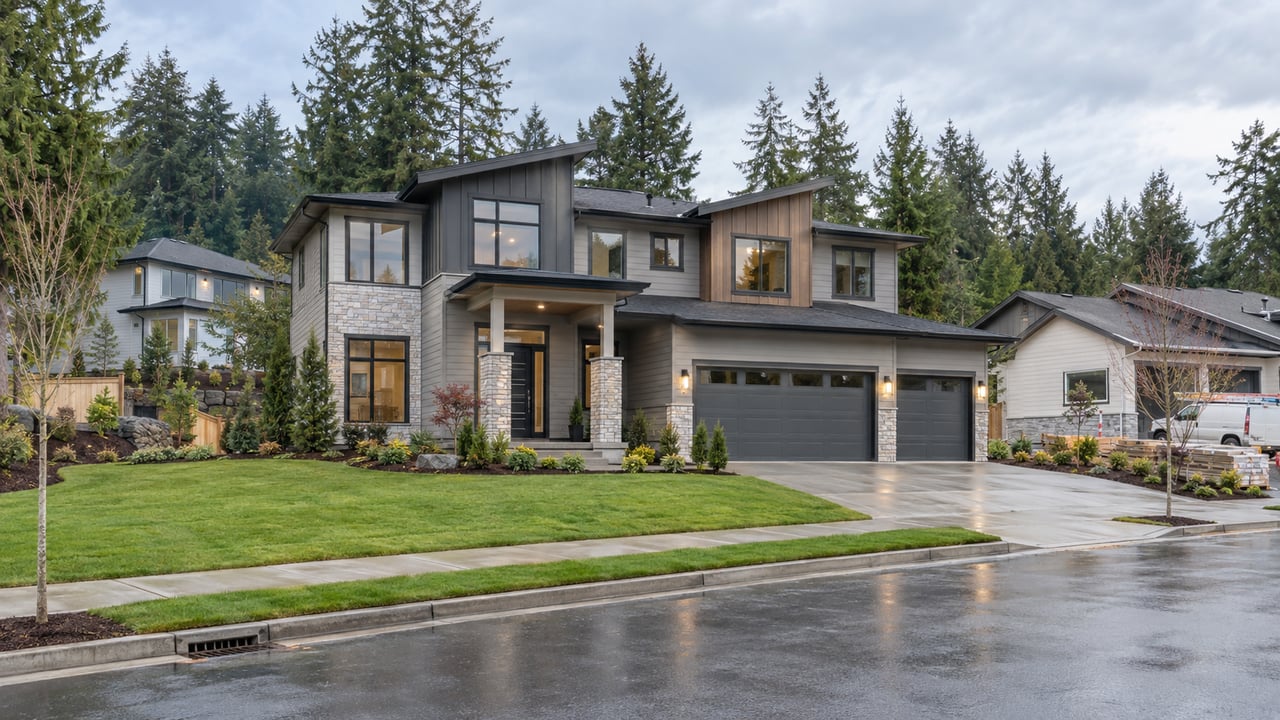
A downtown Kent rental, an East Hill townhome, a West Hill commuter property, and a home near Kent Valley employment may all sit within the same city, but they may serve different renters and buyers. Each location has its own mix of jobs, transit, retail, commute patterns, and housing supply.
For investors, this means underwriting should be corridor-specific. Look at rent comparables close to the property, not just citywide averages. Study employer access, parking, tenant demand, and realistic operating costs.
For buyers, this means the “best” part of Kent depends on the life you are trying to build. A shorter commute, nearby retail, a quieter street, more space, or better transit access may matter differently depending on the household.
For sellers, corridor context can help position a property more clearly. A listing near transit, retail, or job centers should explain the location benefits accurately, without promising future value increases or overstating buyer demand.
FAQ Section
Is Kent, WA a good place to invest in rental property?
Kent may be a good place to study for rental investment because it has major employment corridors, transit access, retail hubs, and a large South King County renter base. However, investment quality depends on the specific property, location, rent level, operating costs, and tenant demand. Investors should compare corridors carefully rather than relying on a citywide assumption.
How do retail jobs affect rental demand?
Retail jobs can support rental demand when workers want housing near job centers, transit, and daily services. The strongest signal usually appears when retail jobs overlap with other employment sources, such as logistics, manufacturing, healthcare, education, or transportation. In Kent, retail should be evaluated alongside Kent Valley employment and transit access.
Where are Kent’s strongest job corridors?
Kent’s strongest employment corridors include the Kent Valley industrial area, downtown Kent and Kent Station, East Hill commercial areas, West Hill commuter areas, and mixed-use corridors connected by major roads and transit. Each corridor serves a different mix of workers, renters, and buyers. That is why corridor-level analysis is more useful than treating Kent as one uniform market.
Does Kent Station influence nearby housing demand?
Kent Station can influence nearby housing demand because it combines transit, retail, restaurants, civic access, and downtown activity. Properties near station areas may appeal to renters and buyers who value commute options and daily convenience. Still, investors and buyers should study parking, property condition, construction impacts, rent levels, and competing supply before making decisions.
Should buyers choose a home based on job growth nearby?
Buyers should consider nearby job growth as one factor, not the only factor. A home’s fit still depends on commute patterns, budget, condition, financing, school boundaries, lifestyle needs, and long-term plans. Job access can be valuable, but it should be weighed against the full picture of daily life.
What should investors verify before buying near a Kent job corridor?
Investors should verify rent comparables, vacancy assumptions, operating expenses, parking, property condition, tenant demand, commute access, zoning, and any planned infrastructure changes. They should also confirm whether nearby job activity is broad and durable or tied to a small number of employers. Strong due diligence matters more than a simple “near jobs” label.
Helpful Resources
-
Kent 2044 Comprehensive Plan
https://engage.kentwa.gov/futurekent
Official city source for Kent’s long-term planning around housing, jobs, transportation, development, and daily life. -
Kent 2044 Land Use Materials
https://openhouse.konveio.com/system/files/pdf/Kent_LandUse_102124.pdf
Planning source referencing Kent’s long-term housing and employment accommodation targets. -
Kent Valley Economic Development
https://www.kentvalleywa.com/
Local economic development source for Kent Valley’s industrial, commercial, and employment role. -
City of Kent Workforce Talent and Education
https://www.kentwa.gov/departments/econ-community-dev/workforce-talent-and-education
Official city source describing Kent and surrounding areas as job destinations for aerospace, advanced manufacturing, and global trade. -
City of Kent Economic Outlook
https://kentwa.opendata.info/Economic%20Outlook.html
City data source describing Kent’s industrial valley and east and west hill commercial service areas. -
Sound Transit Kent Des Moines Station TOD
https://www.soundtransit.org/system-expansion/creating-vibrant-stations/transit-oriented-development/projects/kent-des-moines
Transit-oriented development source for affordable housing and community space planning near transit. -
Indeed Retail Jobs in Kent, WA
https://www.indeed.com/q-Retail-l-Kent%2C-WA-jobs.html
Current job-board signal for retail hiring activity, useful as a snapshot but not a permanent employment count. -
Kent Reporter, Kent Station Sounder Parking Construction
https://www.kentreporter.com/2026/03/12/kent-station-sounder-surface-parking-lot-closing/
Local reporting on Kent Station construction impacts and transit-area changes.
Planning Your Next Move
If you are thinking about buying, selling, or planning your next move, our team is happy to help you think through your options and next steps.
📧 [email protected] |📱 (206) 960-4985 | Honest. Effective. Reliable.