South King County transit changes could shape housing demand by 2030 because they may change which neighborhoods feel connected, convenient, and practical for buyers. This is not only about getting to Seattle faster. It is about how Link stations, bus routes, local services, zoning, and daily routines start working together over time.
The last blog on Metro Flex focused on whether buyers could live with fewer cars or reduce daily driving. This guide takes a different view. It looks at long-term housing strategy: which locations may become more competitive, what families and investors should watch, and how sellers can talk about transit access without promising appreciation.
For buyers comparing Kent, Federal Way, Auburn, Renton, Covington, Maple Valley, Black Diamond, or Enumclaw, the question is not just "Where can I afford a home today?" A better question is "Which areas could become easier to live in, easier to commute from, and easier to resell by 2030?"
What South King County Transit Changes Matter for Housing Through 2030?
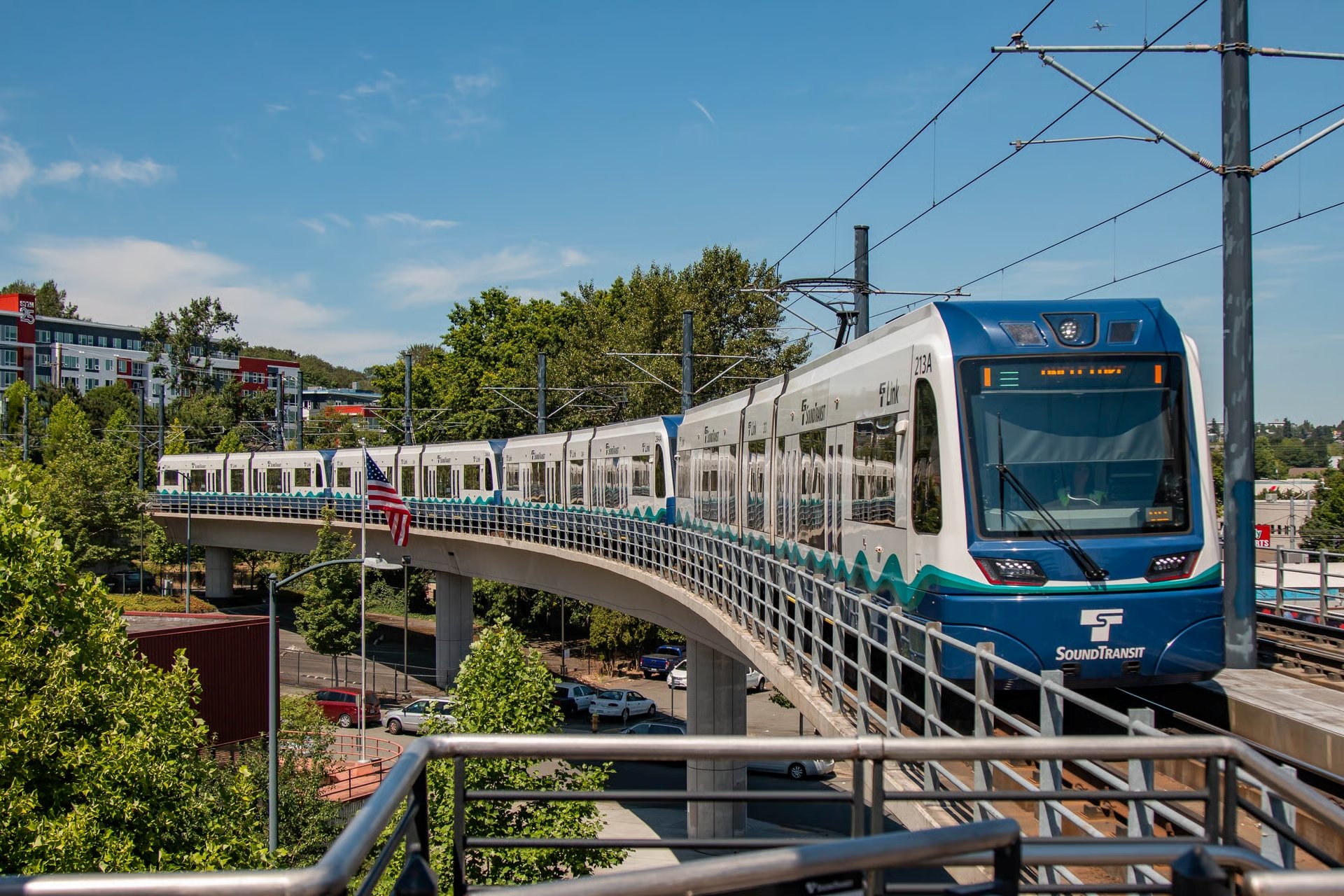
The transit changes that matter most for housing are the Federal Way Link Extension stations, South Link Connections bus restructuring, and King County Metro’s added service investment for 2026 and 2027. Together, these changes may alter how buyers compare commute access, price, and long-term location value.
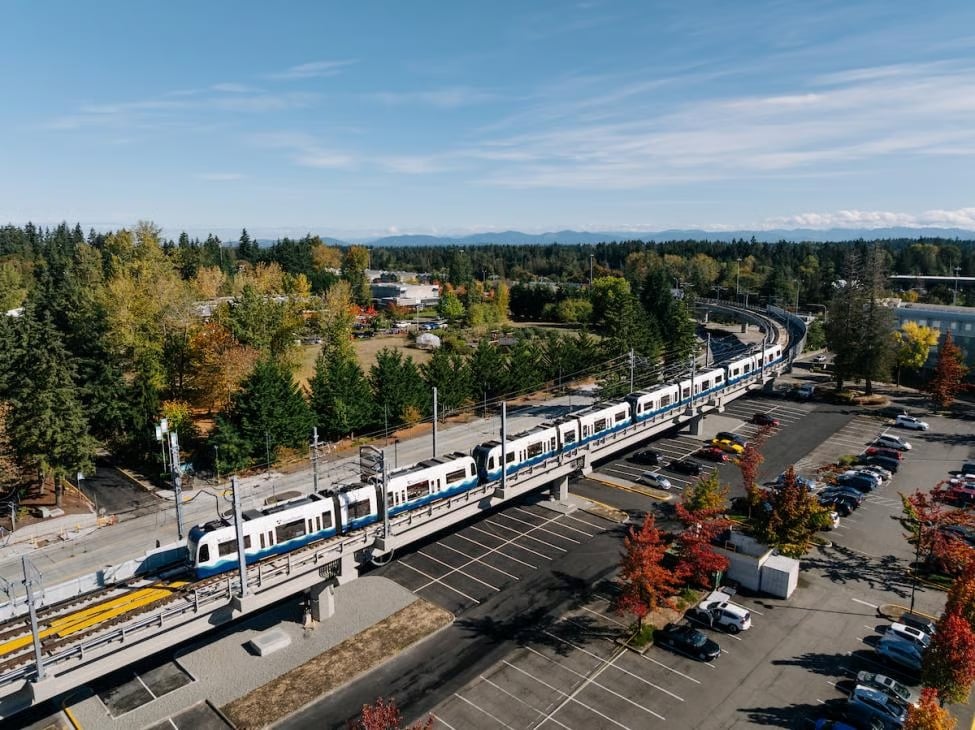
Sound Transit says the Federal Way Link Extension added three South King County stations: Kent Des Moines, Star Lake, and Federal Way Downtown. Sound Transit also describes the extension as 7.8 miles, with peak-hour trains operating every eight minutes.
Sound Transit also notes that parking is available at Kent Des Moines, Star Lake, and Federal Way Downtown, which matters for buyers who may drive to Link rather than walk or take the bus. Source: Sound Transit.
King County Metro’s South Link Connections final proposal adds new and improved connections to Link stations, invests in all-day service, and includes 51% more weekday trips and 72% more weekend trips.
For housing, the point is not that every home near a bus route or station will jump in value. The point is that better mobility can change how buyers rank locations. A home that once felt too far south may feel more practical if the commute, weekend access, or local connection improves.
Why Could the Kent Des Moines, Star Lake, and Federal Way Downtown Stations Change Buyer Demand?
The Kent Des Moines, Star Lake, and Federal Way Downtown stations could change buyer demand by making more South King County homes feel connected to regional job centers, schools, services, and weekend destinations. The effect will likely vary by walkability, bus access, safety, parking, and nearby development.
Station access changes how buyers think. A buyer who previously narrowed the search to Seattle, Burien, Renton, or Tukwila may decide to compare Federal Way or Kent if the transit chain becomes more predictable. A family may be more open to a larger home farther south if the station connection helps with commuting. An investor may watch older housing near station-area growth for longer-term rental demand.
Still, station proximity is not a shortcut to a good purchase. A station-area home can be convenient, but buyers should still check noise, parking spillover, traffic patterns, lighting, and how the walking route feels at the times they would actually use it.
The most useful real estate question is not "Is this home near Link?" It is "Does this home benefit from the station in a way buyers will care about in 2030?"
For a related local infrastructure discussion, see Kent Infrastructure Funding 2026 Real Estate.
Which South King County Locations Could Draw More Buyer Attention by 2030?
The South King County locations most likely to become more competitive by 2030 are those that combine improved transit access with livable housing, local services, reasonable commute options, and clear neighborhood function. Transit helps most when the surrounding area also works for daily life.
Kent and Federal Way deserve close attention because they are directly tied to the new Link stations. Nearby parts of Auburn may also matter as bus service, Metro Flex pilots, and regional commute patterns mature. Renton remains important because buyers often compare it with Kent and Federal Way when balancing commute access, price, and local services.
Covington, Maple Valley, Black Diamond, and Enumclaw are not Link-station markets in the same way. Their role is different. These communities may appeal to buyers who prioritize space, schools, outdoor access, or a quieter setting, while still comparing how long it takes to reach a station, highway, job center, or shopping corridor.
That creates a layered market, not a single winner. Station-adjacent homes may attract buyers who care about commute options. Short-connection neighborhoods may attract buyers who want more space without giving up access. Outer-ring communities may keep appealing to buyers who value lifestyle first and use transit as a secondary factor.
For a broader South King County market view, see South King County Real Estate Trends Explained: Fast vs Slow Markets in 2026.
How Should Buyers Compare Station-adjacent, Short-connection, and Outer-ring Homes?
Buyers should compare South King County homes in three transit tiers: station-adjacent homes, short-connection homes, and outer-ring homes. This keeps the decision grounded instead of assuming that all transit access creates the same real estate effect.
Tier 1: Station-adjacent Homes
Station-adjacent homes are within an easy walk, bike ride, or very short local connection to Kent Des Moines, Star Lake, or Federal Way Downtown. These homes may attract commuters, renters, car-light households, and buyers who value time more than square footage.
The tradeoff is that station-area homes can also come with noise, traffic, parking pressure, denser development, or more buyer competition. Walk the route at the times you would actually use it. A five-minute walk on a map may feel different after dark, in rain, or with kids.
Tier 2: Short-connection Homes
Short-connection homes are not walkable to Link but are within a practical bus, Metro Flex, bike, or short drive connection to a station. These areas may offer more home for the money while still gaining from the regional transit network.
This tier may be especially important through 2030 because South Link Connections is designed to improve bus connections to Link stations. Buyers should ask whether the route is frequent enough, direct enough, and useful on weekends, not just during peak commute hours.
Tier 3: Outer-ring Homes
Outer-ring homes require a longer drive or transfer to reach Link, but they may benefit from better all-day bus service, improved weekend service, or changing buyer expectations. These homes may appeal to families who need more space, buyers who work from home, or households that value neighborhood setting over transit proximity.
The right tier depends on the household. A long-term investor may study Tier 1 and Tier 2 more closely. A family relocating with kids may care more about school boundaries, yard space, bedroom count, and weekend routines. A retirement mover may prioritize single-level living, medical access, and low-maintenance housing over station proximity.
What Could Transit-oriented Growth Mean for Families Relocating With Kids?
For families relocating with kids, transit-oriented growth could make some South King County neighborhoods easier to manage, especially when a home has better access to schools, activities, errands, and regional job centers. The benefit is not just the commute. It is the household schedule.
A family moving from Seattle, Bellevue, Tacoma, or out of state may look at South King County because the housing budget stretches differently than in higher-cost areas. New transit access can make that move feel less like a tradeoff if one parent commutes, a teen needs transit independence, or the household wants more flexibility over time.
But families should avoid choosing a home only because it is near a future or current station. School boundaries, traffic patterns, pickup and drop-off routines, parks, medical access, and childcare still matter. So does the route between the home and station. A station may be nearby but not comfortable or practical for a child, stroller, or evening commute.
For some families, the best choice may be a short-connection neighborhood rather than a station-adjacent one. That can mean more space, quieter streets, and better fit, while still keeping regional transit within reach.
What Should Long-term Buyers and Investors Watch Near New Transit Corridors?
Long-term buyers and investors should watch zoning, station-area development, infill potential, rental demand, ridership, safety, and how the bus network performs after the new routes settle in. Transit is one factor, but it becomes more meaningful when paired with land-use change and daily demand.
Research on Seattle light rail and residential property values shows why caution matters. A Journal of Transport and Land Use study of seven primarily residential Rainier Valley station areas found mixed results: one station showed a positive impact, two showed negative effects, and the remaining station impacts were small or statistically insignificant.
That does not mean transit does not matter. It means the effect depends on local conditions. Walkability, safety, housing type, station design, bus connections, zoning, and existing neighborhood strength can all shape whether station access helps, hurts, or barely moves the market.
Investors should look for specific signals rather than slogans:
-
Zoning changes that allow more housing options, mixed use, ADUs, or multifamily development
-
Older homes near improving corridors where renovation or long-term rental demand may make sense
-
Areas with better weekend and all-day bus service, not only commute-hour service
-
Station areas gaining grocery, medical, retail, or civic investment
-
Ridership patterns that show people are actually using the service
-
Public safety data and station-area maintenance over time
The safest investment lens is practical: will more people want to live here because the location works better by 2030?
How Could Bus Network Changes Affect Homes Beyond Walking Distance to Link?
Bus network changes could affect homes beyond walking distance to Link by making more neighborhoods function like connected station areas. A home does not need to sit next to a platform to benefit from a better route, but the connection has to be reliable enough to matter.
Metro’s South Link Connections proposal focuses on new and improved station connections, more all-day service, and better weekend service. That matters because buyers do not live only during rush hour. A route that works for errands, appointments, weekend shifts, and family activities can make a neighborhood feel more convenient.
This is where Tier 2 locations become interesting. A home that is a 10- to 15-minute bus ride from Link may be more affordable than a station-adjacent property but still connected enough for many buyers. That could matter for first-time buyers, move-up buyers balancing price and space, and long-term sellers thinking about future buyer pools.
For buyers weighing commute routes across the southeast side of the county, see How Pipeline Road Timing in Black Diamond Impacts Ten Trails Buyers and Commutes.
What Risks Come With Buying Near a New Station or Route Change?
The main risks of buying near a new station or route change are overpaying for expected appreciation, assuming service will work before testing it, and overlooking noise, traffic, parking, safety, or zoning impacts. Transit access can be useful, but it should not replace normal real estate due diligence.
Buyers should check more than distance. A home half a mile from a station may still be a poor fit if the walking route is difficult, crossings are uncomfortable, sidewalks are incomplete, or the station area does not feel usable at the times the household needs it.
Sellers should also be careful. New transit access can be part of the listing story, but it should not be described as a guaranteed boost to value. A stronger approach is to mention verified facts: distance to transit, nearby bus routes, station names, commute options, and local services. Let buyers decide how much those features matter.
The most common mistake is treating transit as a single yes-or-no feature. In reality, it is a bundle of details: time, safety, reliability, cost, route design, parking, and daily fit.
How Should Sellers Position Transit Access Without Overpromising?
Sellers should position transit access by describing what is real, verifiable, and useful to buyers. That might include nearby Link stations, improved bus access, park-and-ride options, commuter routes, or a shorter connection to regional job centers.
Good listing language might say: "Convenient access to South King County transit options, including nearby bus connections to Link service. Buyer to verify current routes, timing, and station access." That is more credible than broad claims about future value.
A strong seller story should connect transit to the home’s full lifestyle picture. For example:
-
A Federal Way home may appeal to buyers who want station access and more space than Seattle.
-
A Kent home may appeal to commuters who want both Link access and local services.
-
A Renton home may appeal to buyers comparing street safety, transit routes, and job-center access.
-
A Covington or Maple Valley home may appeal to buyers who prioritize space but still want realistic commute planning.
For more on local street and commuter planning, see What Renton’s Safer Streets Push Means for Families, Commuters, and Local Home Values.
What Should South King County Buyers Watch Between Now and 2030?
South King County buyers should watch how the transit network performs after the initial rollout, especially around station-area development, bus reliability, ridership, safety, and local zoning. The best opportunities may not be obvious on day one.
Use this 2030 watchlist before treating transit as a major part of your buying strategy:
-
Are new bus routes running frequently enough to change daily behavior?
-
Are station areas adding housing, retail, medical services, or mixed-use development?
-
Are people using the stations beyond peak commute hours?
-
Are parking lots, sidewalks, and crossings working well?
-
Are safety and maintenance improving or becoming concerns?
-
Are zoning changes allowing more housing choices near transit?
-
Are nearby homes still priced below comparable areas with similar access?
-
Does the location work for families, retirees, renters, and commuters, not just one buyer type?
This watchlist matters because real estate demand often changes in layers. First the infrastructure arrives. Then routes adjust. Then buyers test the system. Then services and development may follow. By 2030, the difference between a well-connected neighborhood and a technically transit-adjacent one may be easier to see.
For buyers watching affordability pressure across the region, see How Rising Mortgage Rates Are Affecting Home Buying in South King County.
What Should You Do Next?
South King County’s transit changes do not create a simple map of winners and losers. They change the questions buyers and sellers should ask about commute access, resale, safety, and daily convenience.
Thinking about buying or selling in Kent, Federal Way, Auburn, Renton, Covington, Maple Valley, Black Diamond, or Enumclaw? Let’s compare commute access, neighborhood fit, long-term resale factors, and how the 2026 to 2027 transit changes could affect your move. Reach out to Perkins & Associates Real Estate for a South King County strategy conversation built around your goals.
A good real estate decision should fit the home, the route, and the life you are planning next.
Frequently Asked Questions
Will New South King County Transit Routes Increase Home Values by 2030?
New transit routes may increase demand in some South King County locations, but they will not raise every nearby home’s value automatically. Research on Seattle light rail impacts has found mixed results by station area. Buyers should look at walkability, safety, zoning, bus connections, nearby services, and actual demand before assuming appreciation.
Is It Better to Buy Within Walking Distance of Link or a Short Bus Ride Away?
It depends on your budget, lifestyle, and tolerance for density, noise, parking, and traffic. A walkable station-area home may offer stronger convenience, but a short-connection home may offer more space or better value. Buyers should compare the full daily routine, not just distance to the station.
Which South King County Cities Could Benefit Most From Transit Changes?
Kent and Federal Way are directly tied to the new Link stations, so they deserve close attention. Auburn may also matter as Metro service changes and pilots mature. Renton, Covington, Maple Valley, Black Diamond, and Enumclaw may be affected more indirectly as buyers compare affordability, commute access, and lifestyle across South King County.
Should Families Prioritize Transit Access When Relocating to South King County?
Families should include transit access in the decision, but it should not outweigh school fit, housing layout, safety, commute routes, childcare, parks, and daily errands. For some families, a short-connection neighborhood may be a better fit than a station-adjacent one. The right choice depends on how the household actually moves through the week.
What Should Sellers Mention if Their Home is Near New Transit Routes?
Sellers should mention verified transit details such as nearby stations, bus routes, commute options, park-and-ride access, or improved local connections. Avoid promising future value growth. Clear, factual language is more useful to buyers and more trustworthy in marketing.
Sources
- Sound Transit Federal Way Link Extension service announcement
- King County Metro South Link Connections final network proposal
- King County Metro approved 2026 to 2027 budget article
- Journal of Transport and Land Use, Seattle light rail property value study
- University of Washington thesis on Link light rail TOD and residential property value