Tahoma School District is actively discussing how to handle future growth, and that matters to families buying in Maple Valley right now. The district says it is gathering community input on Tahoma High School crowding, possible grade-band changes, and future bond priorities as part of a 25-year capital facilities plan. The committee said it expects to make a recommendation to the board in June 2026.
For buyers, this is not really a school-politics story. It is a planning-confidence story. Families often want to know whether a district appears to be thinking ahead, how growth is being managed, and whether the community feels ready for the next wave of households. Tahoma says it serves about 9,000 students, which helps explain why long-range facilities planning is a meaningful local issue.
Key Takeaways
-
Tahoma is actively discussing long-range facility planning right now, not at some distant point in the future.
-
The conversation includes high school crowding, possible grade-band changes, and future bond priorities.
-
For buyers, this is less about district politics and more about whether growth feels planned and manageable.
-
Maple Valley families may use this information differently depending on commute, home search timeline, and school-age needs.
-
The district is still gathering input, and no final changes have been approved yet.
What is Tahoma discussing right now about school capacity?
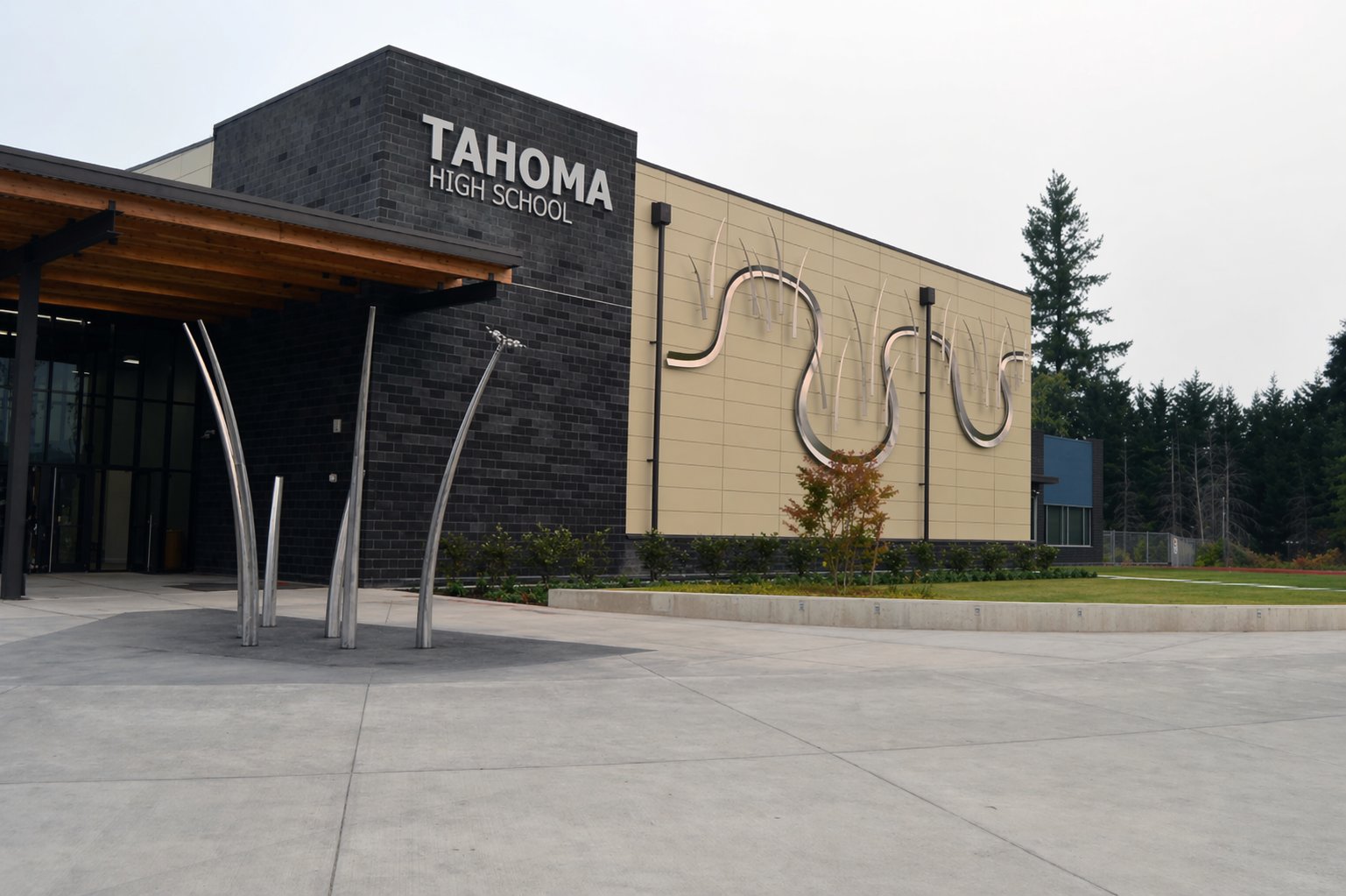
Tahoma is discussing three main issues right now: Tahoma High School crowding, possible grade-band changes, and future bond priorities. It is also discussing how to manage growth over the long term, especially at the high school level. In its April 2026 community update, the district said it wants input on two major priorities: how to manage Tahoma High School crowding and what future bond priorities should be over the next 25 years.
That matters because this is not a narrow facilities tweak. It is a broader conversation about how the district should organize grades, use land, and prepare for future enrollment pressures. Tahoma’s district site says it is preparing roughly 9,000 students, so even planning conversations can feel highly relevant to families trying to understand the direction of the community.
Why does school crowding matter to homebuyers in Maple Valley?
School crowding matters because buyers are usually choosing a full lifestyle, not just a house.
Parents and relocating households often want clues about how a community is growing and whether that growth feels organized. Even buyers without school-age children sometimes watch district direction because schools can shape neighborhood confidence, resale thinking, and the overall feel of a community. The National Association of REALTORS® has consistently found that neighborhood quality and convenience rank high in buyer decision-making, which helps explain why school fit remains part of the conversation even when buyers are looking at the whole community picture. General buyer guidance often treats school quality and school fit as a central part of the home search.
That does not mean a crowded school automatically makes an area less appealing. In many cases, it means demand is real and growth is happening. The more useful question is whether the district appears to be addressing that growth clearly and responsibly.
For a local housing-growth angle, Perkins and Associates’ Maple Valley article on what’s changing in Maple Valley real estate and why buyers care is a strong companion read.
What are the main options Tahoma is considering?
Tahoma says one of the questions on the table is whether to leave the current structure in place or adjust grade bands. The district’s April 2026 update says one option under discussion is a K-6, 7-9, and 10-12 structure. It also says the committee is discussing whether a future bond should create more flexibility by building a new Maple View Middle School next to Summit Trail Middle School, or instead focus more on repairs and upgrades to existing buildings.
That is a very practical decision tree for buyers to understand. It shows the district is not just talking about crowding in the abstract. It is looking at structure, campus use, and investment priorities in concrete terms.
This is where families should slow down and separate “discussion” from “decision.” Tahoma’s own update says the committee is collecting feedback now and plans to bring its recommendation to the board in June 2026.
What should relocating families ask before buying in Maple Valley?
They should ask how the district is planning for growth, what timeline matters to their family, and whether they are comfortable with the current direction of the conversation.
A few practical questions can help:
-
Is the district talking about grade-band changes that could matter to my child’s timeline?
-
How does high school crowding affect the way families in this area talk about the district?
-
If the district recommends future bond work, what kind of projects are being prioritized?
-
Does this area still feel like the right balance of commute, space, and community for us?
A smart local move is to pair school research with street-level neighborhood research. Perkins and Associates' post on 7 clever questions to ask the neighbors before buying a home can help buyers go beyond listing photos and school headlines.
Does school growth automatically make a neighborhood more or less desirable?
No, not automatically.
Growth can mean different things. It can signal demand, community investment, and a strong draw for families. It can also raise practical questions about capacity, traffic, infrastructure, and how quickly local systems are adapting. The better real estate lens is not to assume growth is always good or always bad. It is to ask whether growth appears to be planned well.
That is why this Tahoma conversation matters. It gives buyers a live example of how the district is trying to think ahead instead of pretending growth is not happening. That kind of planning effort can matter when families compare one area against another.
For a broader market backdrop, Perkins and Associates’ article on what will happen to home prices in 2026, a South King County housing market outlook adds context around how buyers are weighing growth and timing in this region.
What should sellers know before talking about schools and community growth?
Sellers should stay factual and calm.
It is fine to talk about Maple Valley’s family appeal, the district’s active planning, and the fact that buyers often care about long-range community investment. It is not fine to promise specific outcomes, exaggerate school claims, or imply that district discussions guarantee home-value growth.
A better seller message sounds like this: the home is located in a community where buyers often pay attention to school planning, neighborhood growth, and long-term livability. That is specific, useful, and easier to support.
This is also where agent guidance matters. Good positioning can connect a home to community confidence without drifting into overstatement.
Bottom line, is this a real estate story?
Yes, it is.
For many family buyers, school planning is part of neighborhood planning. And neighborhood planning shapes where people feel comfortable putting down roots. Tahoma’s current facilities discussion gives Maple Valley buyers a real-time look at how the district is thinking about growth, not just where things stand today.
That is what makes this more than district news. It is useful homebuying context.

Expert Insight
In real home searches, buyers rarely say, “I want a district with a strong capital facilities committee.” What they do say is, “I want to know this area is planning ahead,” or “I want to feel good about where this community is headed.”
That is the bridge between school planning and real estate. Families are usually reading the district conversation as a signal. They want to know whether the area feels stable, thoughtful, and ready for the next stage of growth.
Your Move Starts Here
If you are comparing Maple Valley or nearby areas, it helps to look beyond square footage and ask how confident you feel about the community’s direction.
School planning is only one part of that picture, but for many families it is an important one.
If you want help comparing neighborhoods, commute tradeoffs, and the local factors that matter most before you buy, reach out and let’s talk through your next move.
📧 [email protected] |📱 (206) 960-4985 | Honest. Effective. Reliable.
Frequently Asked Questions
Is Tahoma School District overcrowded right now?
Tahoma is actively discussing crowding at Tahoma High School, which is one reason the Capital Facilities Committee is gathering public input now. That does not mean every school in the district is in the same position, but it does mean capacity planning is a live issue.
What is Tahoma considering for future school structure?
Tahoma says it is discussing options that include keeping the current structure or shifting to K-6, 7-9, and 10-12 grade bands. It is also discussing whether future bond priorities should include building a new Maple View Middle School next to Summit Trail Middle School or focusing more heavily on repairs and upgrades.
Should school crowding stop families from buying in Maple Valley?
Not by itself. School crowding should be one factor in a broader decision that also includes commute, home fit, neighborhood feel, and your confidence in the district’s long-range planning.
How do buyers evaluate school planning when moving to a new area?
Yes, it often does. Buyers tend to feel more comfortable in areas where growth looks acknowledged and planned for, even if the details are still evolving. It also helps to talk with a local agent who understands how families are weighing these issues on the ground.
Does district planning affect long-term buyer confidence?
Often, yes. Buyers tend to feel more comfortable in areas where growth looks acknowledged and planned for, even if the details are still evolving.