2026 Housing Market Forecast, What Buyers and Sellers Should Expect in Maple Valley and Black Diamond
If you’ve been watching the housing market from the sidelines, you’re not alone. Over the last few years, many buyers felt priced out, sellers felt stuck, and renters felt uncertain about what comes next.
The real question is not whether the market changes in 2026, but how those changes show up locally in Maple Valley and Black Diamond.
This guide breaks down what national forecasts suggest, what actually matters locally, and how buyers and sellers can move forward with confidence.
Is 2026 a Reset Year for the Housing Market?
2026 is expected to feel more stable compared to the volatility of recent years.
National data from the National Association of Realtors and the Federal Housing Finance Agency shows that home prices increased significantly between 2020 and 2025. That pace was never sustainable, and the market is now transitioning into a more balanced phase.
What this means in practical terms:
• Home prices may level out or grow slowly
• More homeowners may decide to sell
• Buyers gain more negotiating power
Instead of extremes, the market is shifting toward normal conditions where strategy matters more than speed.
Will Home Prices Drop in 2026 in Maple Valley and Black Diamond?
A major price drop is unlikely. Most projections point toward stable pricing with modest movement.
In South King County, demand remains supported by buyers looking for space, newer homes, and access to strong school systems.
Local data from the Northwest Multiple Listing Service shows that while transaction volume has slowed from peak years, home values have remained relatively steady. Homes that are well-prepared and priced correctly continue to attract strong interest.
Key takeaway: Waiting for a major crash may delay your plans, while stable conditions reward preparation and timing.
What Will Happen With Mortgage Rates in 2026?
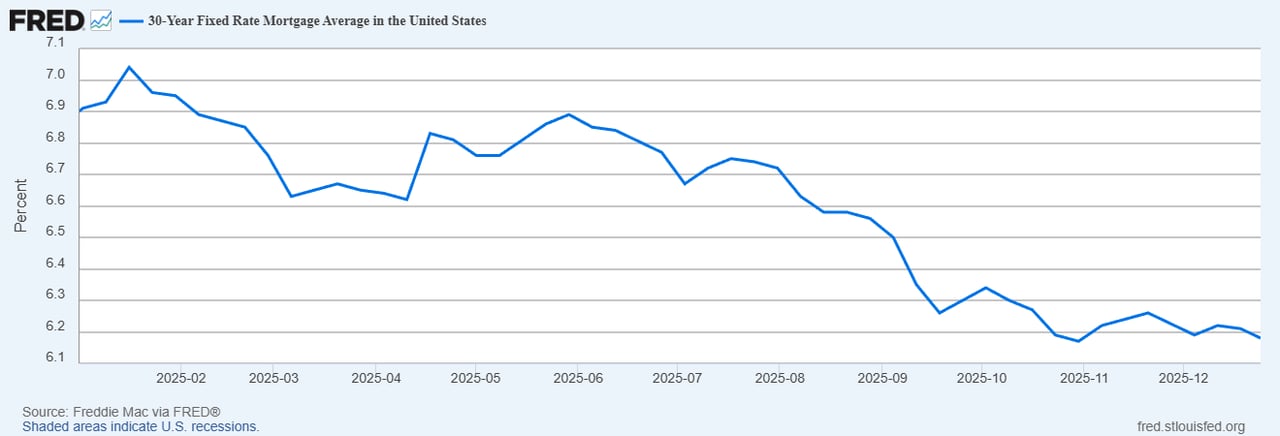
Mortgage rates are expected to remain relatively stable, hovering in the 6 percent range based on trends from Federal Reserve Economic Data and Freddie Mac.
Stability matters more than sudden drops.
When buyers understand rate expectations, they can plan more confidently. Sellers also benefit because pricing aligns more clearly with buyer affordability.
Even small improvements in rates can help monthly payments, but consistency alone can improve market activity.
How Will Inventory Impact the Market?
Inventory is one of the most important factors shaping the 2026 housing market.
Many homeowners delayed selling due to historically low mortgage rates. As more people adjust to current conditions, listings are expected to increase.
For buyers, this creates:
• More options
• Less urgency
• More room for inspections and negotiation
For sellers, this means competition increases, making pricing and presentation more important than ever.
What Is Happening With Rent Prices?
Rental markets stabilized in parts of the country during 2025, but gradual increases are expected to return.
As affordability challenges continue, demand for rentals remains strong. This is one reason many buyers are reconsidering ownership as a long-term strategy.
Owning provides more predictable payments and the opportunity to build equity over time, which becomes more appealing when rents continue to rise.
How Should Buyers Approach the 2026 Market?
The better question is not whether to wait, but whether buying fits your situation.
In a more balanced market, prepared buyers have the advantage.
To position yourself effectively:
• Understand your true monthly payment comfort
• Focus on specific neighborhoods instead of headlines
• Be ready to act when the right home becomes available
2026 favors informed buyers who are proactive rather than passive.
How Should Sellers Think About Timing in 2026?
Sellers need to shift away from testing the market and toward strategic execution.
The strongest results come from:
• Accurate pricing based on current data
• Clean, well-prepared presentation
• A clear launch strategy with strong marketing
Homes that are positioned correctly continue to stand out, even in a more balanced market.
What Does This Mean for Maple Valley and Black Diamond?
Local market trends provide important context.
Recent Northwest Multiple Listing Service data shows that inventory in South King County has increased modestly, giving buyers more choice without overwhelming the market.
At the same time, homes are taking slightly longer to sell, signaling a shift toward balance rather than distress.
These conditions create a market where preparation, pricing, and strategy matter more than timing alone.
Real estate is always local. While national headlines set the tone, decisions in Maple Valley and Black Diamond depend on neighborhood-level demand and inventory.
Work With an AI Certified Real Estate Team
As AI Certified Agents, we use advanced tools to improve how homes are marketed and how clients navigate the buying and selling process.
These tools help increase listing visibility, streamline communication, and create a more efficient experience while still delivering personalized guidance.
Let’s Talk About Your Real Estate Goals
If you’re considering buying or selling in Maple Valley or Black Diamond, having a clear plan makes all the difference.
We help clients move forward with confidence by combining local expertise with modern tools and a strategic approach.
Contact us for a personalized consultation:
Email: [email protected]
Website: https://www.perkinsnwre.com
Phone: (206) 960-4985
Frequently Asked Questions
Will 2026 be a better year to buy a home?
For many buyers, yes. Not because of major price drops, but because competition may ease and inventory may improve.
Is it risky to sell if prices are stable?
Not if your pricing and marketing align with current market conditions. Stable markets reward accuracy.
Should I wait for mortgage rates to fall?
Waiting may help, but it can also delay opportunities. The right decision depends on your financial goals and timing.
Do national trends affect local home values?
They influence direction, but local supply and demand ultimately drive pricing in specific communities.
Sources
National Association of Realtors: https://www.nar.realtor/research-and-statistics
Federal Housing Finance Agency: https://www.fhfa.gov/DataTools/Downloads/Pages/House-Price-Index.aspx
Federal Reserve Economic Data: https://fred.stlouisfed.org/
Freddie Mac: https://www.freddiemac.com/pmms
Redfin Data Center: https://www.redfin.com/news/data-center/
Zillow Research: https://www.zillow.com/research/
U.S. Census Housing Data: https://www.census.gov/housing
Northwest Multiple Listing Service: https://www.nwmls.com/real-estate-statistics/