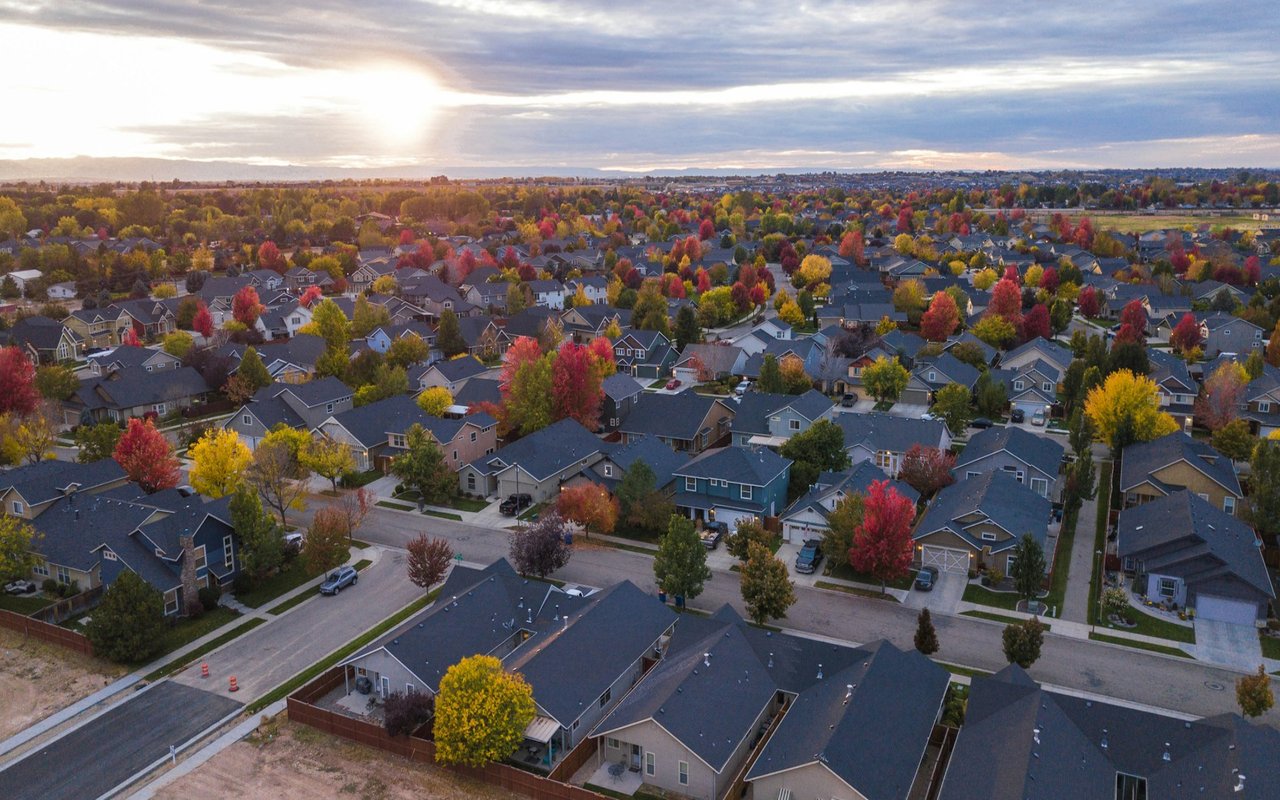
Maple Valley, Washington is experiencing meaningful changes tied to long-term growth planning, infrastructure investment, and zoning updates, driven in large part by the City of Maple Valley’s 2044 Comprehensive Plan.
For buyers considering the area, understanding how these shifts may influence neighborhoods, housing options, and future value is an important part of making informed decisions.
Maple Valley Growth and Long-Range Planning
Maple Valley is updating its Comprehensive Plan, which guides how the city will grow and develop through 2044 and identifies priority planning areas along corridors such as Maple Valley Highway (SR‑169) and SE Kent‑Kangley Road (SR‑516).
This plan addresses land use, housing, transportation, utilities, and environmental stewardship while aligning with Washington State’s Growth Management Act.
The planning process involves community input and oversight by the Maple Valley Planning Commission, ensuring that growth balances livability with housing needs and economic stability.
Infrastructure Improvements and Community Impact
Infrastructure planning plays a key role in how Maple Valley supports future growth, particularly around transportation corridors and neighborhood centers identified by the City and King County regional planning agencies.
Current and planned investments focus on:
- Transportation improvements for vehicles, pedestrians, and cyclists
- Road maintenance and traffic safety upgrades
- Utility systems designed to support residential and commercial development
These improvements can influence commute times, neighborhood accessibility, and overall quality of life for residents.

Zoning Updates and Land Use Trends
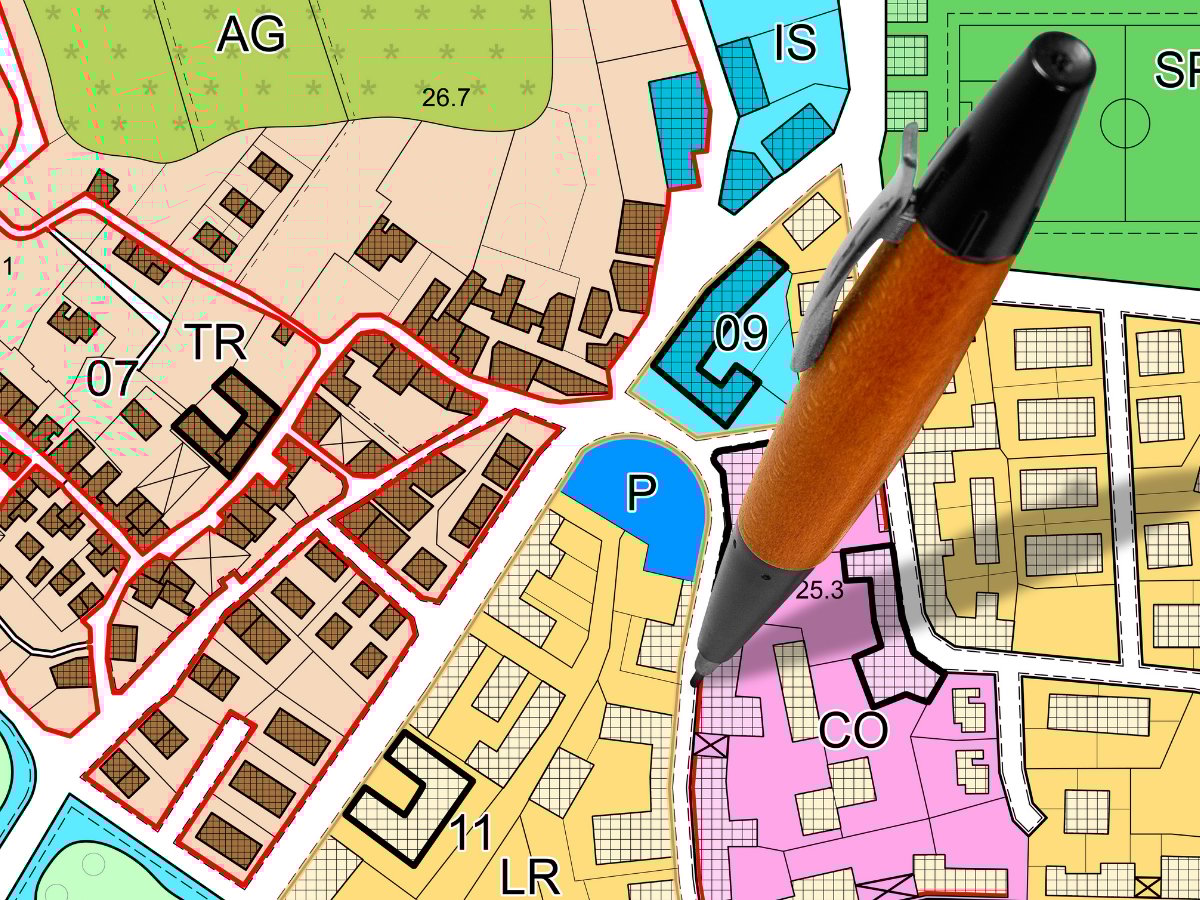
Zoning regulations determine what types of homes and developments can be built in specific areas of Maple Valley, with current designations and overlays outlined in the city’s zoning code and maps.
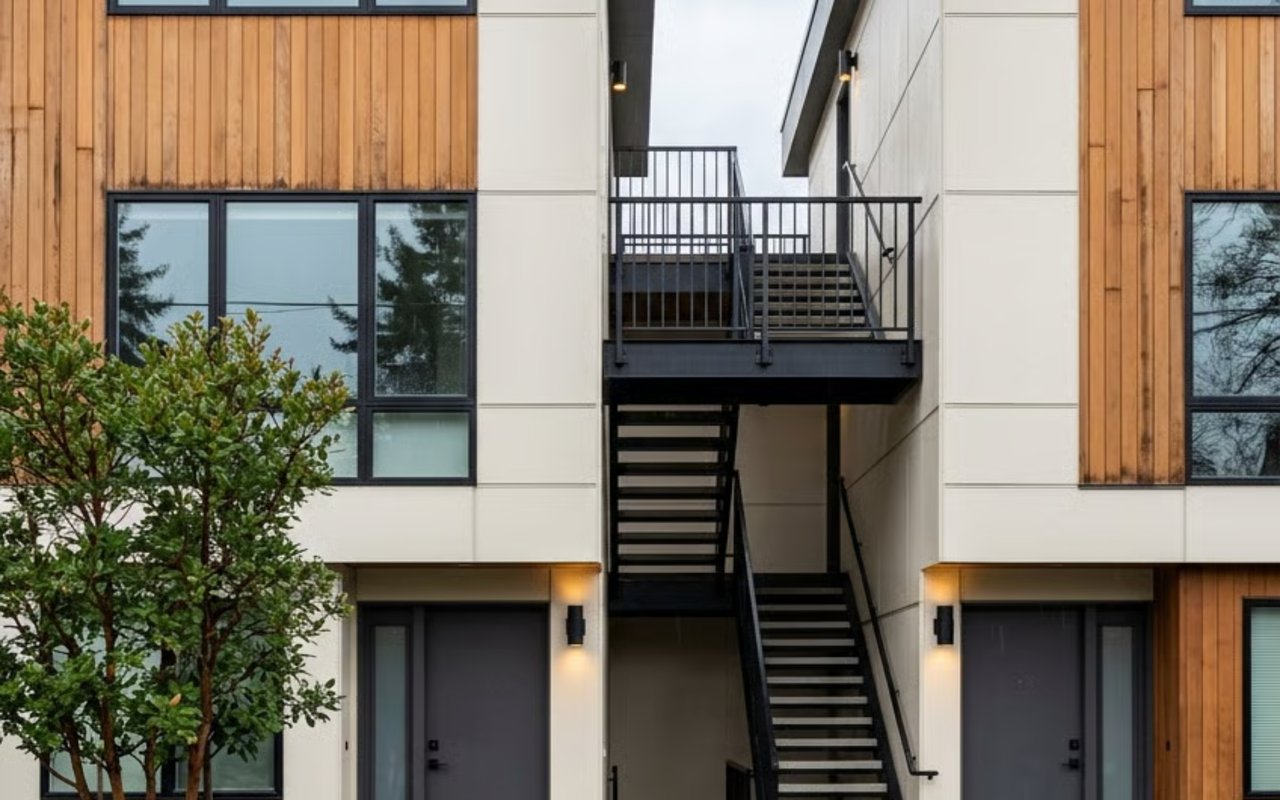
As the city updates zoning codes and design standards, buyers may see changes in density, housing types, and neighborhood layouts.
Understanding zoning designations is especially important for buyers considering new construction, investment properties, or areas near planned development zones.
What These Changes Mean for Buyers
- More clarity around future development: Long-range planning offers buyers insight into where growth and infrastructure improvements are expected, helping them evaluate timing and neighborhood potential before purchasing.
- Potential impacts on property values: Areas near planned infrastructure investments or zoning updates may remain attractive as the community evolves, particularly for buyers with a longer ownership horizon.
- Expanded housing options: Zoning adjustments may allow for a broader range of home types, supporting diverse buyer needs.
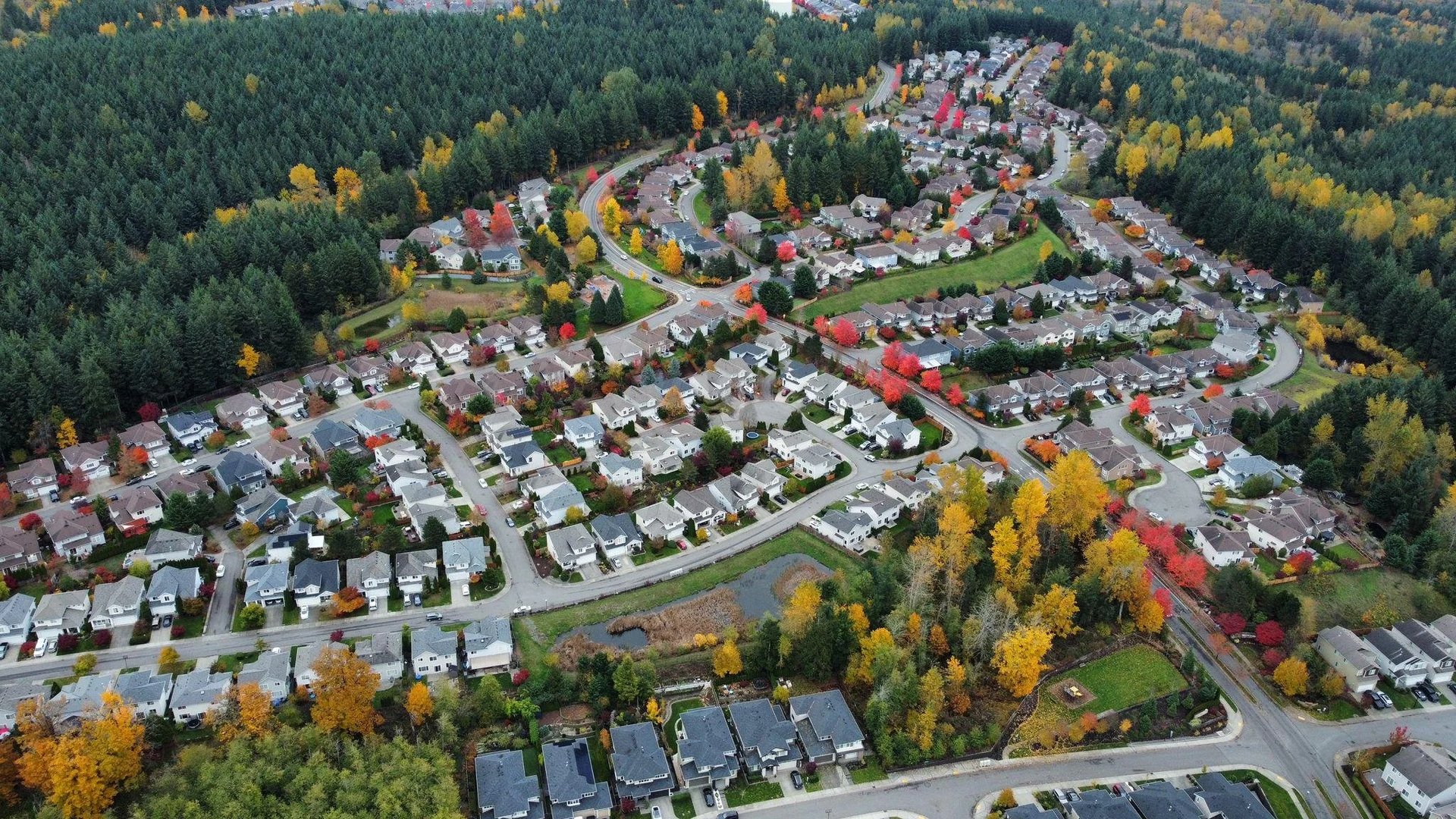
- Lifestyle considerations: Maple Valley continues to appeal to buyers seeking a suburban environment with access to outdoor recreation and community amenities.
Expert Insight: What This Means Locally
From a local real estate perspective, Maple Valley’s planning efforts signal a thoughtful approach to growth.
Buyers who pay attention to planning timelines, zoning updates, and infrastructure sequencing are often better positioned to align purchase timing with long-term value.
Buyers who consider infrastructure plans and zoning trends alongside current market conditions are often better positioned to make decisions that align with both lifestyle goals and long-term value.
Frequently Asked Questions
What is a Comprehensive Plan?
A Comprehensive Plan outlines a city’s long-term goals for growth, land use, housing, and infrastructure.
How Does Zoning Affect Homebuyers?
Zoning rules influence what can be built nearby and how neighborhoods may change over time.
Will Infrastructure Projects Impact Daily Commutes?
Transportation improvements are designed to support safer and more efficient travel as growth continues.
Are New Housing Types Expected in Maple Valley?
Planning and zoning updates may support a wider variety of housing options in the future.
Helpful Resources
Outlines Maple Valley’s long-term plans for growth, housing, and land use through 2044.
Details the commission that reviews zoning updates, development proposals, and planning changes.
Summarizes active and upcoming planning and infrastructure initiatives in the city.
Provides an interactive view of zoning designations and permitted land uses by area.
Shows how Maple Valley fits into broader King County growth and infrastructure planning.
Want More Clarity?
If you’re considering buying in Maple Valley and want clarity around growth, zoning, or infrastructure planning, our team is here to help you understand how timing, location, and long-term planning factors may affect your decision.