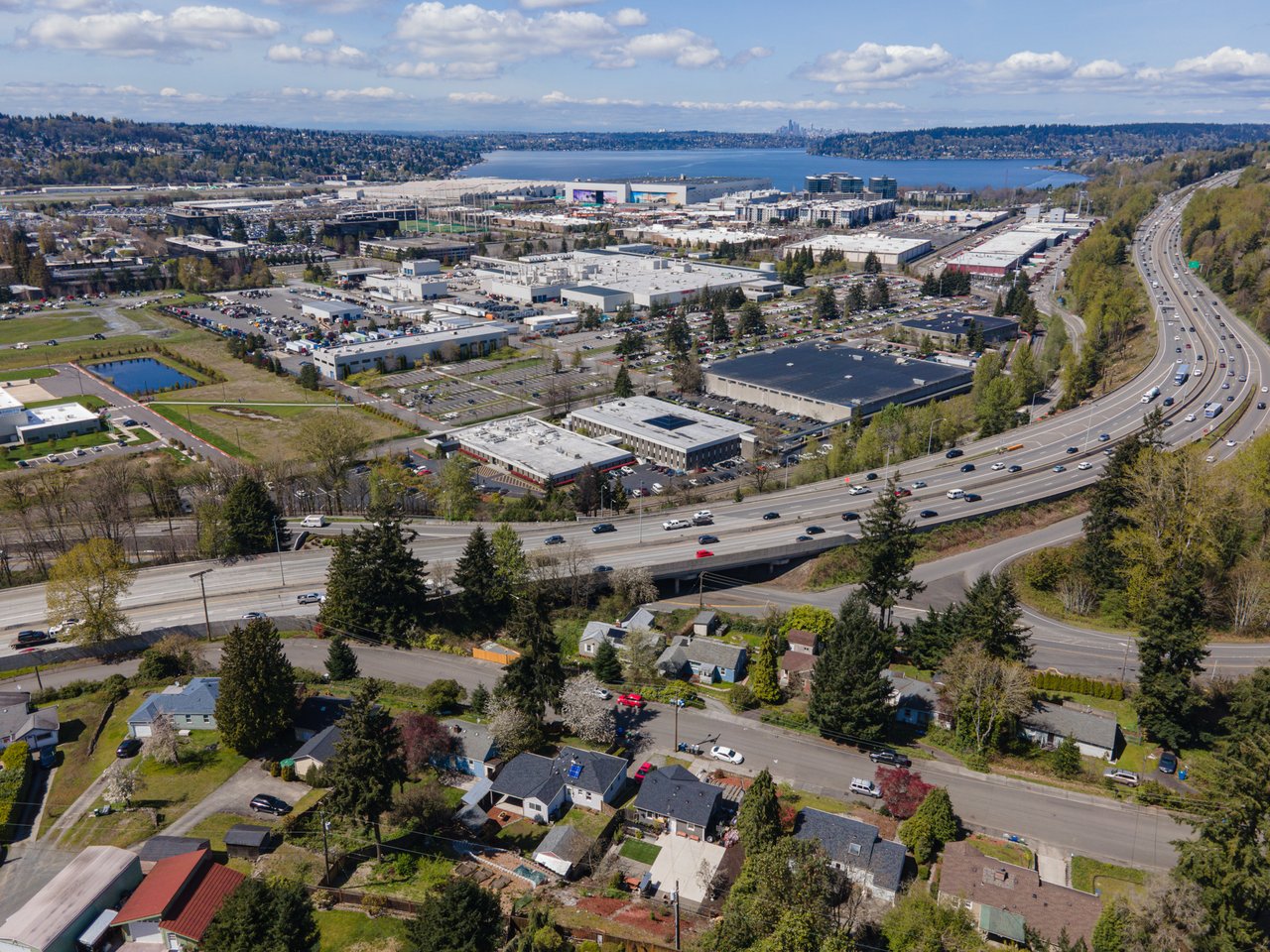
Renton is building a Safety Action Plan to guide future investments in safer streets, and that matters to King County real estate right now because buyers do not judge a neighborhood by the house alone. They also judge how easy it feels to get to school, reach transit, cross busy streets, and move through nearby shops and services.
This is why the story matters beyond transportation. A safer, easier daily routine can shape how a neighborhood feels to a buyer. It can also shape how confidently a seller talks about location, convenience, and livability. Research from Walk Score and the National Association of REALTORS® Community and Transportation Preferences Survey shows that walkability and access influence how many buyers evaluate neighborhoods.
Key Takeaways
-
Renton’s Safety Action Plan is a livability story, not only a traffic story
-
Safer access near schools, transit stops, and commercial areas can make daily life feel easier
-
Walkability and convenience influence buyer preferences and neighborhood appeal
-
Transit improvements near Renton Transit Center make safe access even more relevant
-
Sellers should focus on lifestyle benefits, not guaranteed price claims
What is Renton’s Safety Action Plan?
Renton’s Safety Action Plan is the city’s framework for identifying safety priorities and guiding future decisions about street safety. It uses public feedback, crash data, and safety strategies to improve how people move through the city. In practical terms, that can help the city prioritize future crossing upgrades, corridor safety improvements, and other changes in areas where people already experience daily friction. You can review the city’s overview on the Renton Safety Action Plan page and the public-facing update in Making Renton’s Streets Safer for All.
Why do safer streets matter to Renton homebuyers?
They matter because buyers are buying a routine, not just a floor plan.
A home can look great online but feel wrong in person if daily movement feels difficult or unsafe. Buyers notice how easy it is to reach schools, transit, and errands. Consumers still place real value on walkability and access. That is one reason community design and housing value often overlap, as discussed in this Perkins & Associates article on best neighborhoods in King County for 2025 and why housing and community development matter.
How could safer routes near schools, transit stops, and commercial areas influence neighborhood appeal?
These are the places where daily friction shows up first.
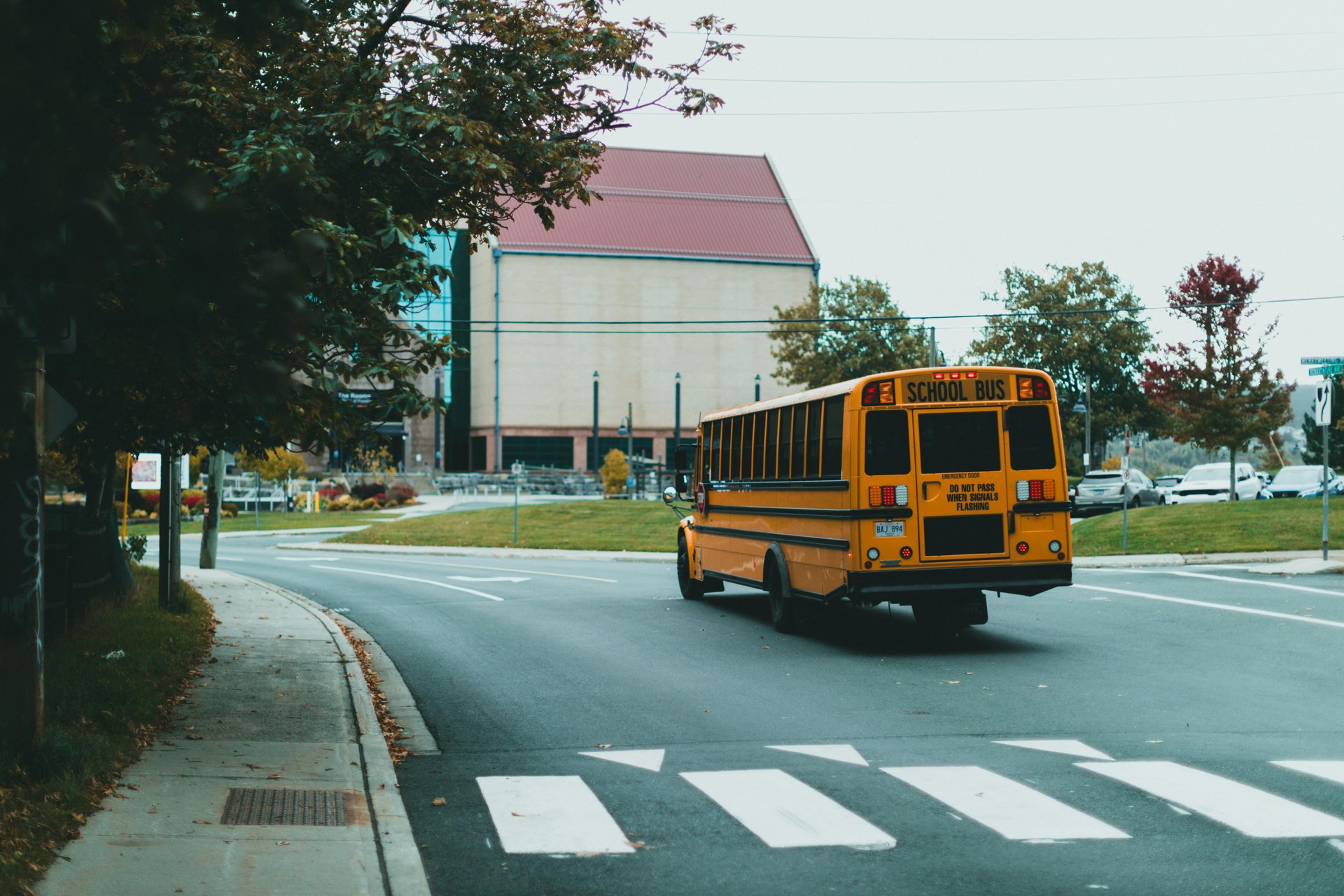
When these routes feel safer and more predictable, the neighborhood often feels more comfortable. Buyers may not call it “infrastructure,” but they feel the difference immediately when they picture school drop-off, the walk to a bus stop, or a quick errand near a commercial area. Renton’s current outreach specifically highlights safety around schools, transit stops, and commercial areas on its survey and project update.
Does walkability really affect home values?
In general, yes, but not in a simple way.
Walkability can support desirability and buyer demand, but it does not guarantee price increases. It works alongside other factors like market conditions, home condition, and location. Which helps explain why buyers often respond strongly to ease and convenience. For a practical local read on how broader market conditions shape pricing expectations, see What Will Happen to Home Prices in 2026? A South King County Housing Market Outlook.
What does this mean for commuters in Renton and greater King County?
It means safe access is becoming more important.
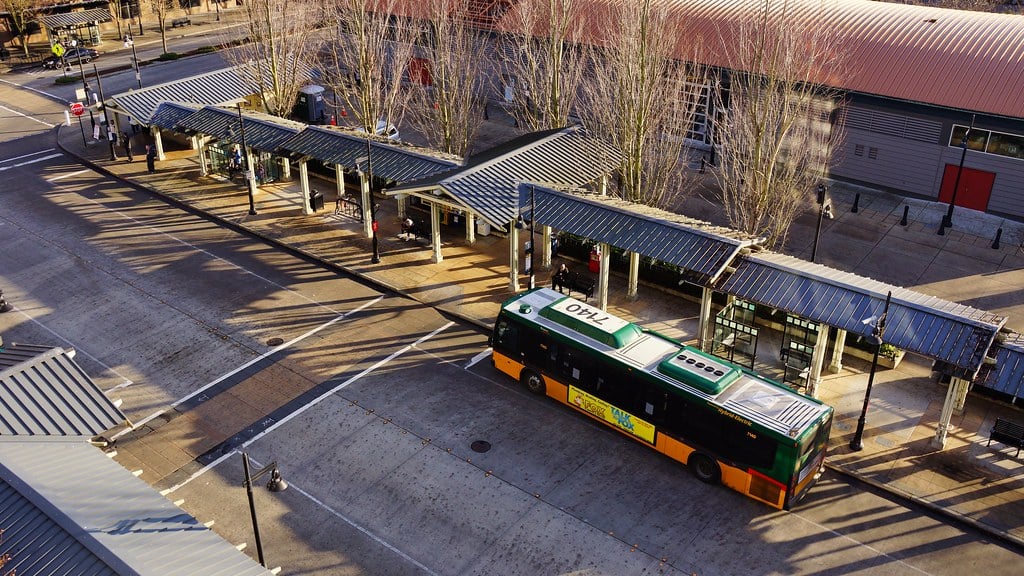
With transit improvements underway, including upgrades around the Renton Transit Center, ease of access and connectivity will matter more when buyers compare neighborhoods. For many South King County households, that can influence housing choice even if they do not ride transit every day, because commute flexibility still matters. You can see the project details on the Sound Transit Renton Transit Center announcement and the related Stride S1 line project page.
What should sellers understand before they market “location” and “livability”?
Sellers should talk about convenience honestly and clearly.
Highlight real benefits like access to shops, schools, and transit. Avoid making unsupported claims about future home value. A better example is language such as, “close to daily errands, practical transit access, and more connected neighborhood routes,” rather than implying a future price jump. Sellers can pair that location story with strong presentation, as shown in Perkins & Associates’ post on how strategic lighting improvements help Renton homes sell faster and for more.
What should relocating buyers in King County look for beyond the headlines?
Look at the actual route, not just the map.
Check sidewalks, crossings, traffic flow, and how easy daily errands feel. A neighborhood should work in real life, not just on paper. One smart step is to use questions to ask the neighbors before buying a home as part of your evaluation, along with the relocation-focused guide on thinking about moving to Maple Valley.
Expert Insight
Buyers rarely ask for a safety plan directly. Instead, they respond to how a neighborhood feels. If daily movement is easier and more comfortable, the home often feels like a better fit. In day-to-day buyer tours across Renton and South King County, that often shows up in small comments about crossings, traffic flow, school access, or whether a quick errand feels easy instead of frustrating.
Next Steps
If you are buying or selling in Renton, it helps to look beyond the listing photos and understand how the neighborhood works day to day.
Safer access, easier routines, and better connectivity can shape buyer confidence more than many expect.
If you want help comparing Renton neighborhoods, weighing commute patterns, or evaluating which location factors may matter most for resale, reach out and let’s talk through your next move.
📧 [email protected] |📱 (206) 960-4985 | Honest. Effective. Reliable.
Frequently Asked Questions
Will Renton’s Safety Action Plan improve neighborhood safety?
Yes, that is the goal. It is designed to guide future improvements using data and community feedback, but changes happen over time.
Do safer streets help home values?
They can support desirability and buyer confidence, but they do not guarantee price increases.
Why do buyers care about walkability?
Because convenience and daily ease matter when choosing where to live.
Does living near transit make a home more appealing?
Often yes. It can improve flexibility, commuting options, and day-to-day convenience.
How should families evaluate neighborhood safety?
Start with the real routes they would actually use, including school paths, crossings, and traffic patterns.
Resources
-
Best Neighborhoods in King County for 2025 and Why Housing and Community Development Matter
-
What Will Happen to Home Prices in 2026? A South King County Housing Market Outlook
-
7 Clever Questions to Ask the Neighbors Before Buying a Home
-
How Strategic Lighting Improvements Help Renton Homes Sell Faster and for More