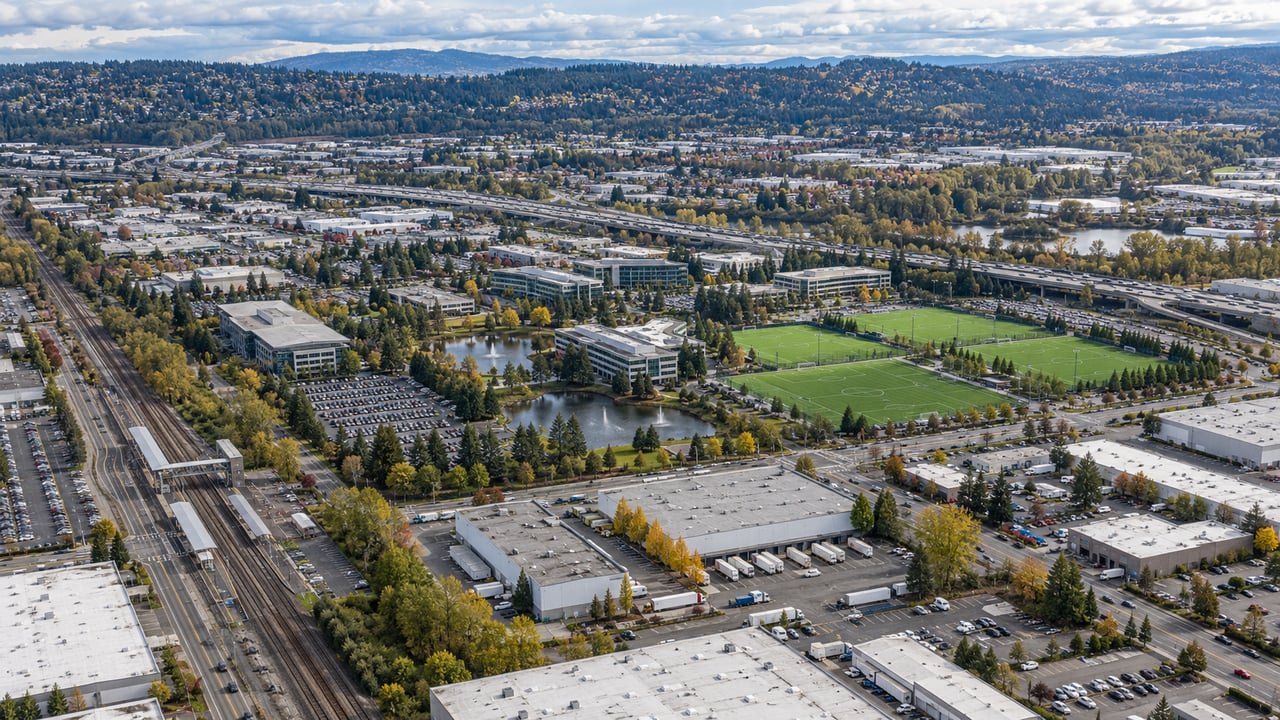
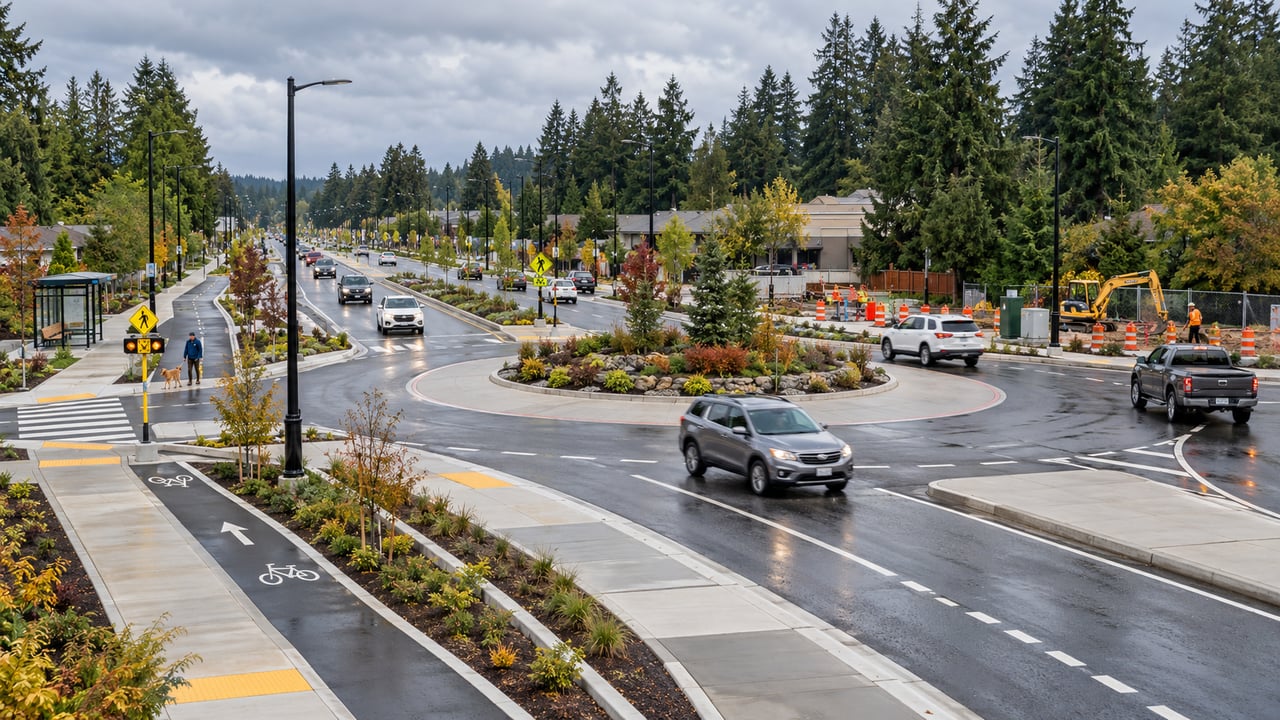
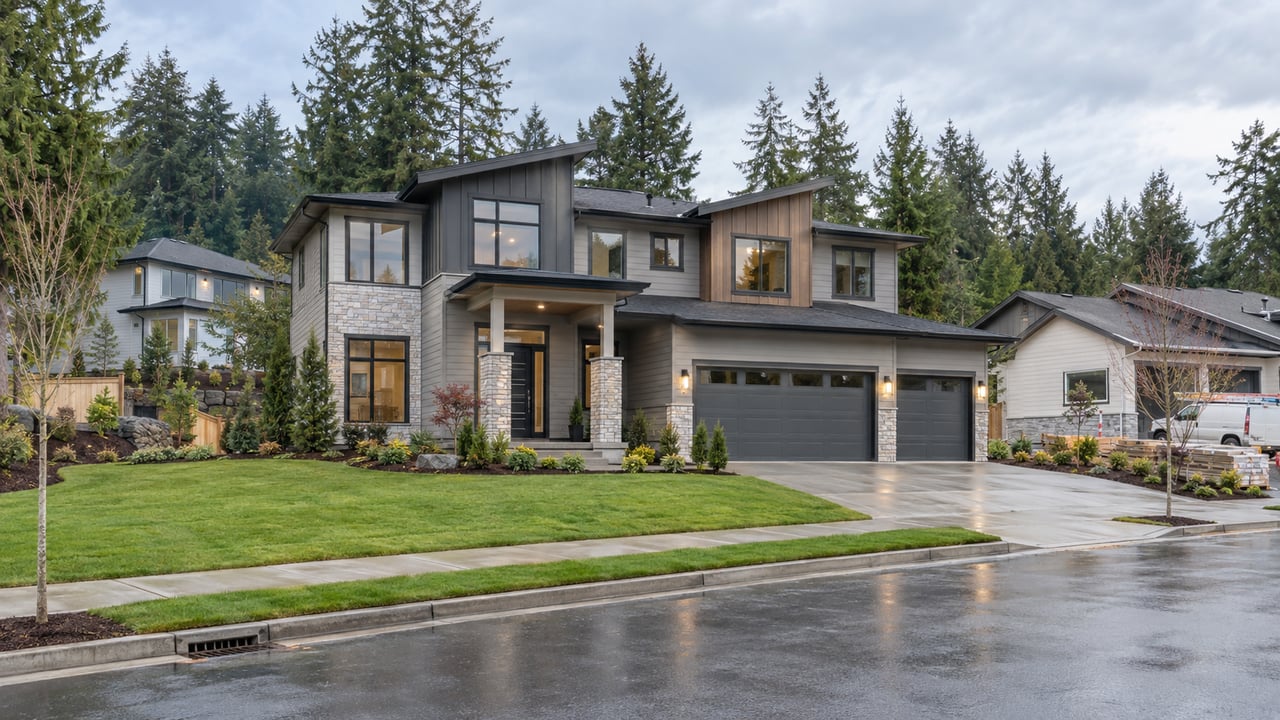
Renton housing demand is increasingly tied to the city’s long-term plan for growth, transportation, jobs, housing capacity, and infrastructure. That matters because Renton is not simply reacting to growth, it is planning for a 20-year period that could influence where people live, commute, invest, and build equity in South King County.
The biggest takeaway is simple: Renton’s 2025 to 2044 Comprehensive Plan does not guarantee higher home values or instant neighborhood transformation, but it does give buyers, sellers, homeowners, and investors a clearer framework for understanding where long-term demand may concentrate.
For King County consumers comparing Renton with communities such as Kent, Newcastle, Bellevue, Auburn, Tukwila, Burien, Covington, Issaquah, and Seattle, this kind of planning context matters. If you are still comparing where to live, our related guide to the best neighborhoods in King County for 2025 can help add broader context. A home decision is not only about today’s listing price. It is also about access, infrastructure, housing supply, lifestyle fit, commute patterns, and how a city is preparing for the next generation of growth.

What Is Renton’s 20-Year Growth Plan?
Renton’s 20-year growth plan is the city’s adopted roadmap for managing housing, land use, transportation, parks, economic growth, and public infrastructure from 2025 through 2044.
The City of Renton describes the Comprehensive Plan as a long-term guide for growth, with goals and policies related to land use, housing, transportation, and sustainability. The city also announced that the 2024 Comprehensive Plan was adopted to guide decision-making over the 2025 to 2044 period. Source: City of Renton Comprehensive Plan, and everyday living in Renton near Lake Washington is a helpful companion read.
A comprehensive plan is not a promise that every project will happen exactly as imagined. It is a policy framework. It guides zoning decisions, infrastructure priorities, transportation planning, and how the city coordinates with regional agencies. In other words, it helps show the direction of travel.
That distinction is important. Real estate decisions should not be made from one headline or one planning document. But when a city updates its long-term plan, buyers and sellers can use that plan as one layer of due diligence.
What this means for you: If you are evaluating Renton, the growth plan can help you understand more than what homes are selling for today. It can help you ask better questions about future access, density, nearby services, commute patterns, and neighborhood change.
Renton Growth Signals Buyers and Sellers Should Watch
Use this table as an early decision guide. It does not predict prices, but it helps connect Renton’s long-term planning themes to the real estate questions buyers, sellers, homeowners, and investors should be asking.
How Could Renton Housing Demand Change by 2044?
Renton housing demand could remain closely tied to the city’s planned housing and employment growth, especially if new homes, jobs, transit access, and infrastructure improvements align over time.
Seattle King County REALTORS reported that Renton’s comprehensive plan update is intended to accommodate about 17,000 new housing units and almost 32,000 jobs over the next 20 years. Source: Seattle King County REALTORS.
That does not mean 17,000 homes will appear immediately, and it does not mean every part of Renton will change at the same pace. It means Renton is planning for capacity. Capacity is different from delivery. Actual outcomes depend on market conditions, financing, permitting, construction costs, infrastructure, public policy, and developer activity.
Still, the scale of the planning target is significant. When a city prepares for more homes and more jobs, real estate consumers should pay attention to how that growth may affect different property types and locations.
For buyers, this may mean looking beyond the home itself and asking whether the surrounding area has long-term access advantages. If you are early in the process, start with a 5-step checklist before starting your home search. For sellers, it may mean understanding how a property’s location, zoning context, and proximity to future amenities could shape buyer interest. For homeowners, it may mean watching how city planning affects neighborhood services, traffic, and housing options.
A useful reframe: Growth does not automatically make every property more valuable. Growth makes local knowledge more important.
If you are comparing homes in Renton, Kent, Newcastle, Tukwila, Bellevue, or Auburn, the stronger question is not “Will this city grow?” It is “Where is growth being planned, what kind of growth is it, and how does that fit my goals?”
Why Does Renton Matter in King County’s Broader Housing Picture?
Renton matters because King County continues to face a long-term housing shortage, and cities across the county are expected to plan for more homes at different income levels.
King County’s Regional Affordable Housing Dashboard states that the region must create 194,661 net new homes affordable to households at or below 80 percent of area median income by 2044 to meet housing needs. For a related local explanation, see our post on how Washington’s housing shortage is affecting King County. Source: King County Regional Affordable Housing Dashboard.
That countywide context is important for Renton. Housing demand in King County is not isolated city by city. Buyers often compare multiple communities based on price, commute, school access, home size, transit, and lifestyle. A buyer considering Renton may also be looking at Kent, Covington, Auburn, Newcastle, Tukwila, Issaquah, or south Seattle neighborhoods.
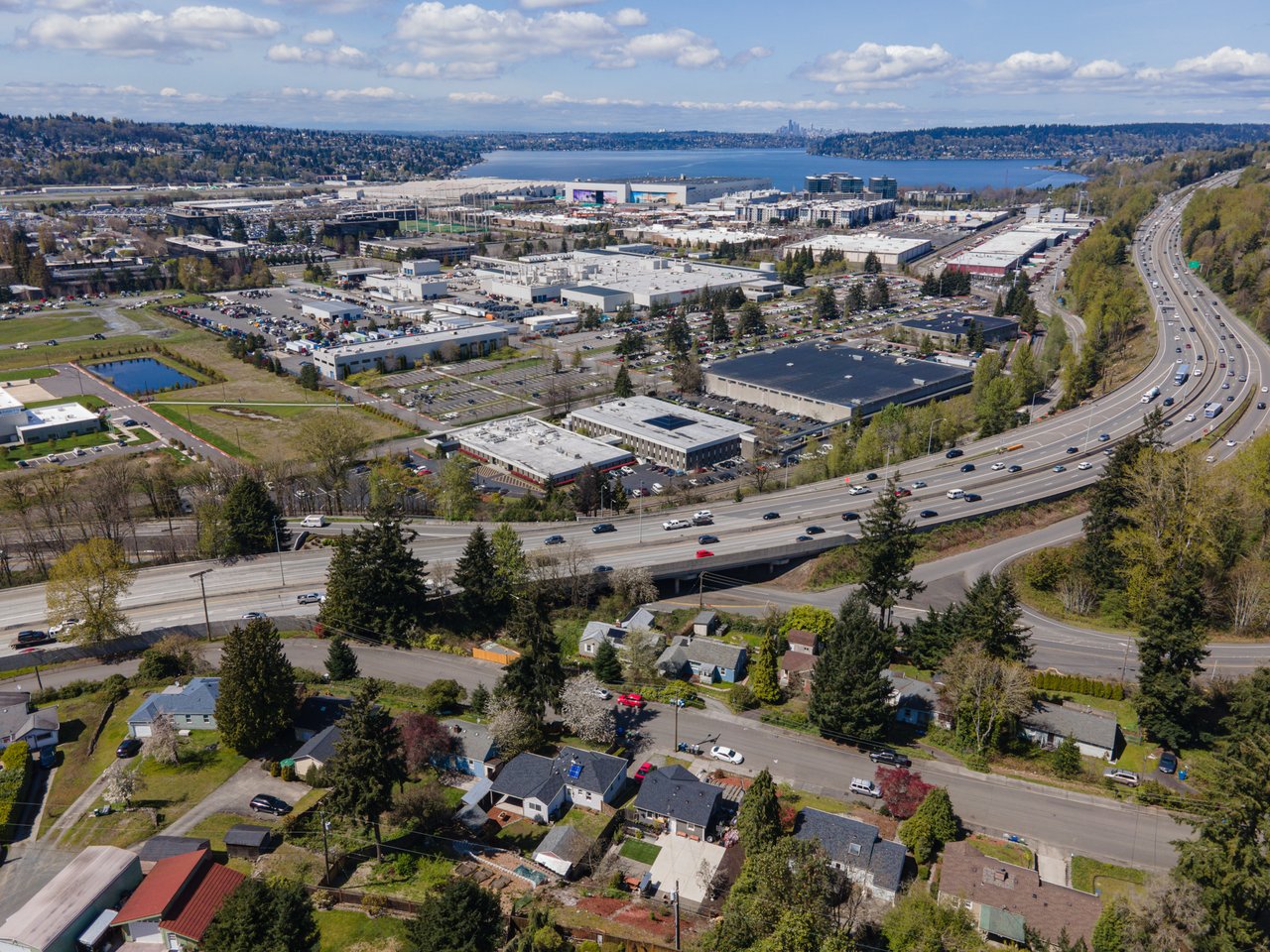
Renton’s location gives it a distinctive role. It sits near major employment centers, regional highways, Lake Washington, South King County communities, and transit investments. That combination can make Renton relevant to buyers who want access to Seattle and the Eastside but are also comparing relative affordability and housing options.
For sellers, countywide housing pressure can support buyer interest, but it should not be treated as a pricing shortcut. Local condition, property presentation, pricing strategy, comparable sales, financing conditions, and buyer affordability still matter.
For relocating consumers, Renton may stand out because it offers a mix of urban access, established neighborhoods, newer development opportunities, and connections to other parts of King County. The right fit depends on commute needs, housing budget, property type, and lifestyle priorities.
Where Could Transit-Oriented Development Shape Renton Real Estate?
Transit-oriented development could shape Renton real estate most directly around Rainier Avenue South, South Grady Way, and the future transit-focused Rainier/Grady Junction area.
The City of Renton says the Rainier/Grady Junction Transit-Oriented Development Subarea Plan provides a vision and strategies for a people-oriented neighborhood around Sound Transit’s expanded bus rapid transit line and transit center near Rainier Avenue South and South Grady Way. Source: City of Renton Rainier/Grady Junction TOD Subarea Plan.
Transit-oriented development, often shortened to TOD, generally means planning more homes, jobs, services, and pedestrian-friendly uses near frequent transit. In plain English, it is about making it easier for people to live, work, shop, and commute with less dependence on long car trips.
For Renton, this is especially relevant because regional transit planning connects the city to larger mobility changes. Sound Transit’s Stride S1 Line is planned to connect Bellevue and Burien with service through Renton, and King County Metro’s RapidRide I Line is planned to connect Renton, Kent, and Auburn. As of February 2026, the City of Renton reported that Sound Transit, Renton, and project partners had broken ground on the new Renton Transit Center at South Grady Way and Rainier Avenue South, with the facility designed to support existing and future routes including Stride S1 and RapidRide I. Sources: Sound Transit Stride S1 Line, King County Metro RapidRide I Line, and South King County transit routes and housing through 2030 offers more context on how transportation planning can shape buyer decisions. The practical point is that transit investment can change how different locations compete for attention.
For sellers near future transit-oriented areas, the opportunity is not to overpromise. It is to understand what buyers may value. A well-presented home near improved mobility, services, or mixed-use development may appeal to buyers who are thinking long term.
For investors, transit-oriented areas may deserve extra due diligence. Review zoning, permitted uses, rental rules, financing assumptions, and project timing before relying on a development narrative.
What Do Zoning, Middle Housing, and ADUs Mean for Buyers and Sellers?
Zoning, middle housing, and accessory dwelling unit updates may create more housing flexibility in Renton, but property owners should verify current rules before assuming what can be built or changed.
Renton’s housing legislative update page explains that Washington State housing legislation affects local planning around middle housing and accessory dwelling units. Renton’s Your Voice Renton project pages also note that on June 24, 2025, the Renton City Council adopted amendments to the Renton Municipal Code to comply with state mandates for both middle housing and accessory dwelling units. Sources: City of Renton Washington State Housing Legislative Updates, Your Voice Renton HB 1110 Middle Housing, and Your Voice Renton HB 1337 ADUs.
Middle housing is a broad term for housing types between a detached single-family home and a larger apartment building. It can include duplexes, triplexes, fourplexes, townhomes, courtyard apartments, and cottage housing, depending on local rules.
Accessory dwelling units, often called ADUs, are smaller secondary homes on the same lot as a primary residence. These may include attached units, basement apartments, or detached backyard cottages when allowed by code. For a plain-English primer, read our related guide: What Is an Accessory Dwelling Unit?.
For buyers, zoning flexibility can matter because it may affect long-term use. A property that appears similar to another home may have different future options depending on lot size, zoning district, utilities, access, overlays, and city code. As of the latest city update reviewed for this draft, Renton has adopted code amendments for middle housing and ADUs, but property-level feasibility still needs to be verified before a buyer or homeowner relies on those options.
For sellers, zoning context can become part of the property’s story, but it should be handled carefully. Marketing should avoid claims such as “buildable duplex site” or “guaranteed ADU potential” unless that has been verified with the city and appropriate professionals.
For homeowners, this is where patience and good documentation matter. Before budgeting for an ADU, conversion, or redevelopment idea, verify the current city code, permitting requirements, parking standards, utility constraints, and any applicable overlays.
The safest takeaway: More housing flexibility may create more options, but feasibility is property-specific.
What Should Homeowners Watch as Renton Adds Housing and Infrastructure?
Homeowners should watch zoning updates, transit timelines, infrastructure improvements, nearby redevelopment activity, and buyer demand patterns before making major real estate decisions.
The Puget Sound Regional Council conditionally certified the transportation-related provisions in Renton’s 2024 Comprehensive Plan, noting consistency with regional transportation planning subject to additional transportation planning requirements. Source: Puget Sound Regional Council certification report.
That detail matters because transportation planning is not static. Cities update models, agencies revise timelines, funding conditions change, and implementation can move in phases. Homeowners should use official sources as guideposts, not guarantees.
Here are the practical items to watch:
-
City updates to zoning and development regulations
-
Planned infrastructure near your neighborhood
-
Changes near transit corridors and mixed-use areas
-
Comparable sales in your immediate area
-
Buyer feedback about commute, walkability, and property condition
-
Permitting feasibility for ADUs, additions, or redevelopment
For sellers, the most important move is to avoid guessing. A property near a planned growth area may have a stronger story, but pricing still needs to be grounded in current market evidence. Our post on how today’s Renton market shapes your home selling plan explains why local pricing and buyer behavior still matter.
For buyers, the key is to separate confirmed facts from future possibilities. A planned transit improvement may be meaningful, but the value of a specific property still depends on price, condition, layout, location, financing, and personal fit.
For homeowners who are not planning to move soon, the growth plan can still be useful. It can help you monitor local policy decisions that may affect your property options over time.
Is Renton a Long-Term Opportunity for Real Estate Investors?
Renton may be a long-term opportunity for some real estate investors, but the opportunity depends on property-specific analysis, zoning, rental assumptions, financing, and realistic timelines.
The investment case for Renton is not based on one factor. It is based on the combination of planned housing capacity, regional job access, transit investment, countywide housing need, and Renton’s position between Seattle, Bellevue, South King County, and the Eastside.
That said, investors should be careful with broad claims. A growth plan is not a return guarantee. It does not eliminate vacancy risk, repair costs, financing changes, tax considerations, insurance costs, tenant regulations, or project feasibility issues.
A more grounded way to evaluate Renton is to ask:
-
Is the property near planned transportation or mixed-use activity?
-
Does the zoning support the intended use?
-
Are rents, expenses, reserves, and financing assumptions conservative?
-
Are there local rules that affect short-term or long-term rental plans?
-
Would the property still make sense if appreciation is slower than expected?
Investors comparing Renton with Kent, Auburn, Tukwila, Federal Way, or Burien should look at both macro and micro factors. Regional demand may support the broader thesis, but individual property performance comes from the numbers.
For long-term owners, Renton’s planning direction may be encouraging. But smart real estate decisions still require local comps, current rent data, inspection findings, financing clarity, and a careful review of city rules.
How Should Buyers Compare Renton With Other King County Cities?
Buyers should compare Renton with other King County cities by looking at price, commute, transit access, housing type, neighborhood feel, long-term planning, and daily lifestyle needs.
Renton may appeal to buyers who want a central South King County location with access to Seattle, Bellevue, Tukwila, Kent, Newcastle, and the Eastside. But it is not the only option. A buyer with a Bellevue commute may compare Renton and Newcastle differently than a buyer prioritizing affordability in Kent or Auburn.
Here is a practical way to think about the comparison:
This table is not a ranking. It is a decision tool. The right choice depends on the buyer’s budget, commute, property goals, lifestyle needs, and timeline.
For sellers, this comparison matters because buyers rarely evaluate one home in isolation. They are comparing your home against nearby alternatives, other cities, different property types, and their monthly payment comfort zone. For broader South King County context, see South King County real estate trends explained.
Expert Insight: What This Means Locally
Renton’s growth plan should be treated as a decision-making tool, not a prediction machine.
For buyers, the plan helps identify questions to ask before writing an offer. Is the home near planned transit investment? Is the area expected to see more mixed-use activity? Does the property offer flexibility if household needs change? Are there infrastructure or redevelopment plans nearby that could affect daily life?
For sellers, the plan can help frame the property’s location and long-term appeal. But the strongest listing strategy still depends on current comparable sales, thoughtful preparation, accurate pricing, strong visuals, and clear buyer positioning.
For homeowners, the plan is a reminder that property value is influenced by more than square footage. Access, zoning, infrastructure, services, and local planning can all shape how buyers understand a neighborhood.
For relocating consumers, Renton deserves a close look because it sits at the intersection of several King County decision points: affordability, access to major job centers, transit planning, and housing variety.
Our team’s role is to help translate this kind of planning information into practical real estate decisions. We do not treat a comprehensive plan as a guarantee. We use it as one layer of context, alongside current market data, neighborhood knowledge, property condition, buyer behavior, and your personal goals.
FAQ
Is Renton Expected to Keep Growing?
Yes, Renton is planning for long-term growth through its 2025 to 2044 Comprehensive Plan. The plan addresses housing, land use, parks, economic growth, and transportation, which shows that the city is preparing for continued change. Buyers and sellers should still remember that planning capacity does not mean every project will happen quickly or evenly across the city.
How Many New Homes is Renton Planning for by 2044?
Seattle King County REALTORS reported that Renton’s comprehensive plan update is intended to accommodate about 17,000 new housing units over 20 years. That figure should be understood as a planning target, not a promise of immediate construction. Actual housing delivery will depend on zoning, permitting, infrastructure, market demand, financing, and development feasibility.
Will Renton’s Growth Plan Affect Home Values?
Renton’s growth plan may influence buyer interest and demand patterns, but it does not guarantee higher home values. Home values are shaped by many factors, including property condition, pricing, interest rates, inventory, location, and buyer affordability. The plan is most useful as a context tool for understanding where long-term demand may concentrate.
What Areas of Renton May Benefit From Transit-oriented Development?
The Rainier/Grady Junction area is one of the clearest places to watch because the city has a specific TOD subarea plan tied to future bus rapid transit and a transit center near Rainier Avenue South and South Grady Way. Buyers, sellers, and investors should monitor official city and transit agency updates before making assumptions about timing or property impact.
Is Renton a Good Place to Invest in Real Estate Long Term?
Renton may be worth evaluating for long-term investment because of its location, housing need, employment access, and planned transit-related growth. However, investment decisions should be based on property-specific numbers, conservative assumptions, current rental data, zoning, financing, and local rules. A growth plan can support the research process, but it should not replace due diligence.
What Should Homeowners Verify Before Making Plans Based on Zoning Changes?
Homeowners should verify current zoning, permitted uses, ADU rules, parking requirements, utility constraints, overlays, and permitting steps directly with the City of Renton or qualified professionals. State housing laws and local code updates can change how properties may be used, but feasibility is still site-specific. Before spending money on design or construction plans, confirm what is allowed for the exact property.
Helpful Resources
1. City of Renton Comprehensive Plan
Official source for Renton’s long-term land use, housing, transportation, and sustainability planning.
2. City of Renton Comprehensive Plan Adoption Announcement
Confirms the 2024 Comprehensive Plan adoption and 2025 to 2044 planning period.
3. Seattle King County REALTORS, Renton Comprehensive Plan Update Approved
Provides local real estate industry context, including the reported planning capacity for about 17,000 housing units and almost 32,000 jobs.
4. King County Regional Affordable Housing Dashboard
Provides countywide housing need and affordability context.
5. City of Renton Rainier/Grady Junction TOD Subarea Plan
Explains Renton’s vision for transit-oriented development near Rainier Avenue South and South Grady Way.
6. Sound Transit Stride S1 Line
Provides regional transit context for planned bus rapid transit connecting Bellevue, Renton, and Burien.
7. King County Metro RapidRide I Line
Explains the planned RapidRide connection between Renton, Kent, and Auburn.
8. City of Renton Washington State Housing Legislative Updates
Helps homeowners and buyers monitor local implementation of state housing legislation.
9. Puget Sound Regional Council Certification Report for Renton’s 2024 Comprehensive Plan
Provides regional review of Renton’s transportation-related comprehensive plan provisions.
10. City of Renton Transit Center Groundbreaking
Confirms the February 2026 groundbreaking for the new Renton Transit Center at South Grady Way and Rainier Avenue South.
11. Your Voice Renton Middle Housing and ADU Updates
Provides local update notes on Renton’s June 24, 2025 code amendments for middle housing and accessory dwelling units.
Ready to Make Your Move?
If you are thinking about buying, selling, or planning your next move, our team is happy to help you think through your options and next steps.
📧 [email protected] | 📱 (206) 960-4985 | Honest. Effective. Reliable.