Choosing between Issaquah and Bellevue can feel harder than it looks. On a map, they are close, but the day-to-day experience of living in each place can feel very different. If you are trying to balance budget, housing style, commute, and lifestyle, the right choice usually comes down to how you want your week to look, not just where you want to pin a home search. This guide will help you compare the tradeoffs so you can narrow your next move with more confidence. Let’s dive in.
Issaquah vs. Bellevue at a Glance
Issaquah and Bellevue offer two distinct Eastside lifestyles. Issaquah is the smaller city, with a 2024 population of 39,664, and the city describes it as a place that still holds onto a small-town feel while offering robust amenities. Bellevue is much larger at 154,377 residents, with a downtown the city describes as a live-work urban center that includes more than 14,000 residents and 60,000 employees.
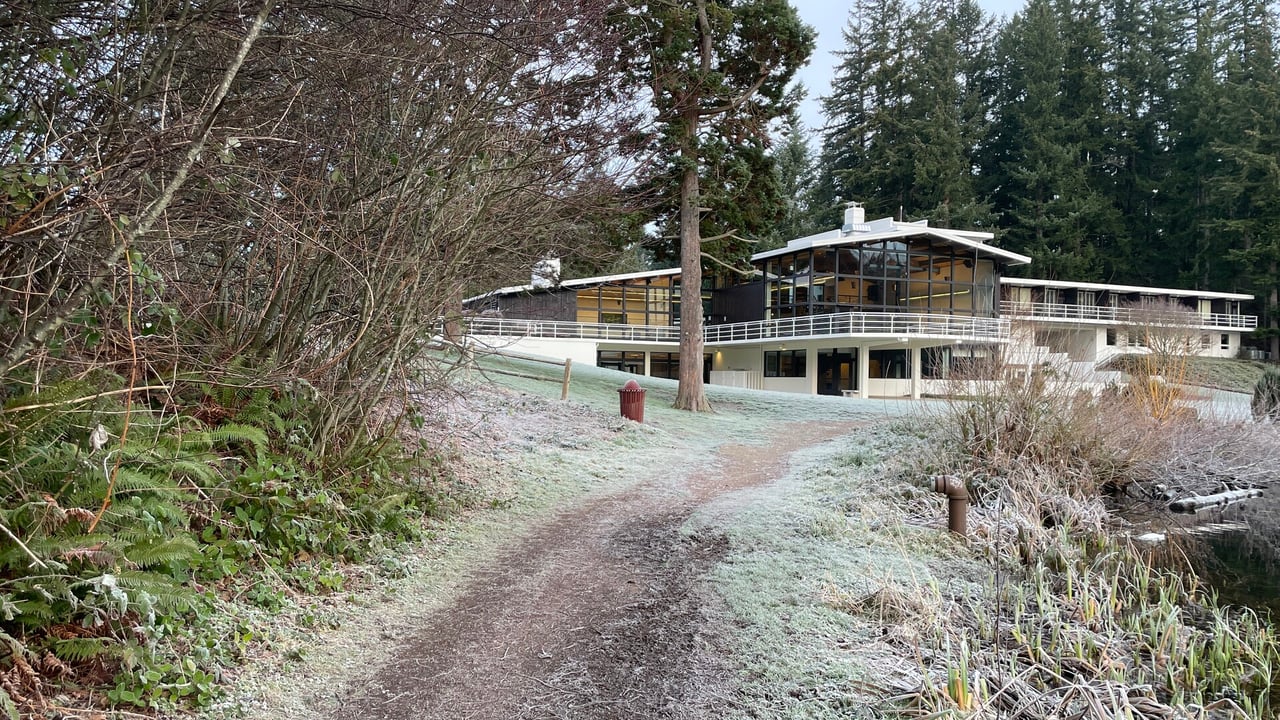
In practical terms, Issaquah tends to feel more trail-centered, greener, and closer to the mountains. Bellevue tends to feel denser, more urban, and more centered around jobs, transit, and city infrastructure. If you are deciding between them, that lifestyle contrast is often the real decision point.
Housing Feel and Home Options
Issaquah Housing Character
Issaquah has expanded beyond a traditional single-family pattern. The city says it has grown from a predominantly single-family bedroom community into one with a wider variety of housing types, including mixed-use and transit-oriented development near the transit center.
That shows up in the range of neighborhood settings. Olde Town is known for a pre-suburban pattern and a small-town feel. Central Issaquah is planned as a mixed-use urban environment with condo buildings, older homes, townhomes, duplexes, and other infill-style housing. Talus offers a master-planned setting on Cougar Mountain with a strong nature-oriented design, while Sycamore is largely made up of single-family homes on larger lots in a foothill setting.
If you want a city that still gives you options between more traditional neighborhood living and newer mixed-use areas, Issaquah brings that balance. It can be especially appealing if you want access to the Eastside without feeling fully urban.
Bellevue Housing Character
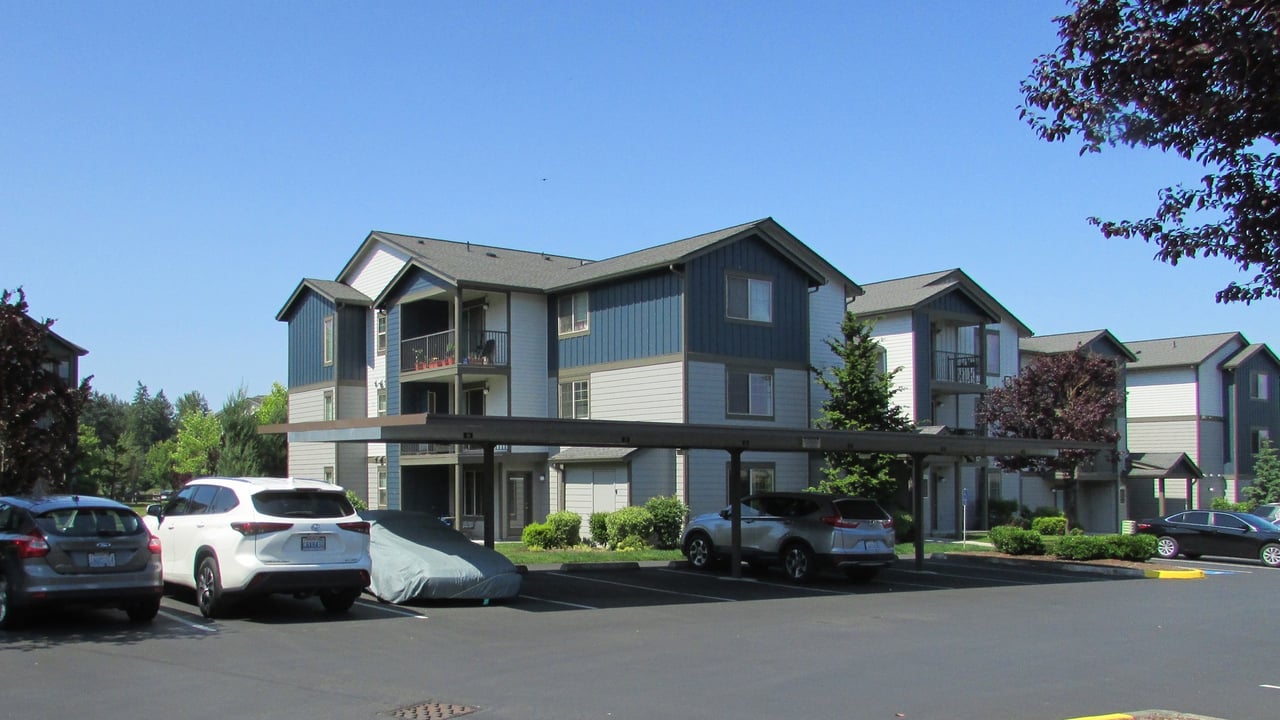
Bellevue offers a broader and more urban housing mix. According to the city’s 2022 housing needs assessment, Bellevue had about 65,900 housing units and was roughly split evenly between single-family and multifamily homes.
Condos and apartment units are concentrated most heavily around downtown and west of I-405. The city also describes downtown as the region’s primary economic and employment center, while areas like Wilburton include both single-family and multifamily housing near major parks. That means Bellevue can offer a wider range of urban and suburban housing choices within one city.
For buyers who want more condo inventory, a more established urban core, or more neighborhood variety inside one larger city, Bellevue often stands out.
Cost Differences to Know
Price is one of the clearest tradeoffs. Census QuickFacts shows the median value of owner-occupied housing units at $1,340,300 in Bellevue and $963,000 in Issaquah.
That does not mean every Bellevue home costs more than every Issaquah home, but it does support the overall pattern that Bellevue ownership housing is more expensive on average. If budget flexibility matters, Issaquah may give you more room while still keeping you on the Eastside.
Lifestyle and Outdoor Access
Why Issaquah Stands Out Outdoors
If outdoor access is near the top of your list, Issaquah has a strong identity around it. The city describes itself as a base camp for some of the Seattle area’s best outdoor recreation, with more than 200 miles of trails, more than 60 trailheads, and 1,300 acres of open space.
The Issaquah Alps, Lake Sammamish, and neighborhood trail access shape the daily lifestyle there. In areas like Talus, trail network access and nearby nature preserves are part of the appeal. In places like Sycamore, proximity to Squak Valley Park and the Poo-Poo Point trailhead reinforces that foothill setting.
If you picture weekday walks, quick trail access, and a stronger mountain-edge feel, Issaquah has a clear advantage.
Bellevue’s Recreation Pattern
Bellevue also has a substantial parks system, but the experience is different. Bellevue Parks & Community Services maintains more than 2,700 acres of parks and open space and over 80 miles of trails.
The city’s recreation assets include places like Downtown Park, Meydenbauer Bay Park, Bellevue Botanical Garden, Kelsey Creek Park, Weowna Park, and areas connected to Lake Washington and Lake Sammamish. That points to a more urban and shoreline-oriented recreation pattern rather than an edge-of-the-mountains feel.
If you want large civic parks, water access, and recreation woven into a more urban setting, Bellevue may be the better fit.
Commute and Transit Tradeoffs
Getting Around From Issaquah
Issaquah’s transit setup is built more around buses and park-and-ride use. The city says it has two major transit centers, the Issaquah Transit Center and Issaquah Highlands Park & Ride, with routes to downtown Seattle, downtown Bellevue, First Hill, the University District, Northgate, Overlake, and Sammamish.
The city also notes that express buses can reach downtown Bellevue in about 20 minutes and downtown Seattle in about 30 minutes. At the same time, Issaquah says vehicle traffic has become a significant issue and that many residents are frustrated by congestion.
For some buyers, that works well. If you are comfortable with bus commuting or driving to transit, Issaquah can still offer solid regional access while giving you a different home environment.
Getting Around From Bellevue
Bellevue has a different mobility profile because it is both a major job center and part of the region’s rail network. The city describes downtown Bellevue as the primary economic and employment center for the city and region.
Sound Transit says the East Link Extension connects the Eastside with Seattle, with 10 stations from Seattle’s International District to Redmond Technology. Peak service is every eight minutes when the 2 Line is connected to Seattle. Bellevue also works with regional transit agencies and employer commute programs.
If your priority is being closer to the Eastside’s main employment core or near a stronger transit spine, Bellevue has the edge.
Which City Fits Your Priorities?
Choose Issaquah if You Want
- A smaller city with a more neighborhood-based feel
- Easier access to trails, foothills, and open space
- A home search that may include larger lots or nature-oriented communities
- A less urban day-to-day environment
- Eastside access without living in a major downtown setting
Choose Bellevue if You Want
- A larger city with more urban and suburban submarkets
- More condo, apartment, and higher-density housing options
- Closer access to major job centers
- A stronger regional transit network, including rail access
- Recreation focused more on major parks, civic spaces, and shoreline areas
A Simple Way to Decide
When buyers compare Issaquah and Bellevue, the answer is rarely just about mileage. It is more often about whether you want your daily routine to feel more mountain-adjacent or more city-connected.
If you want to step outside and feel closer to trails, foothills, and a smaller community scale, Issaquah may feel more natural. If you want broader housing choices, a more urban setting, and stronger proximity to major employers and transit, Bellevue may check more boxes.
The good news is that both cities offer strong Eastside access. The key is matching the home search to how you actually live, commute, and recharge.
If you are weighing Eastside options and want practical guidance on where your budget and lifestyle align best, Joe Perkins can help you compare neighborhoods, narrow your search, and move forward with clarity.
FAQs
How Does Issaquah Compare to Bellevue for Home Prices?
- Census QuickFacts shows a median owner-occupied home value of $963,000 in Issaquah and $1,340,300 in Bellevue, so Bellevue is higher on average for ownership housing.
How Does Issaquah Compare to Bellevue for Outdoor Recreation?
- Issaquah is more trail-centered, with more than 200 miles of trails, more than 60 trailheads, and 1,300 acres of open space, while Bellevue offers more than 2,700 acres of parks and open space and over 80 miles of trails in a more urban and shoreline-oriented setting.
How Does Issaquah Compare to Bellevue for Commuting?
- Issaquah relies more on buses and park-and-ride commuting, while Bellevue offers access to a stronger regional transit spine and is part of the Eastside rail network.
How Does Issaquah Compare to Bellevue for Housing Types?
- Issaquah includes a mix of single-family neighborhoods, mixed-use areas, townhomes, condos, and foothill communities, while Bellevue has a broader urban housing mix with a large supply of both single-family and multifamily homes.
How Do You Choose Between Issaquah and Bellevue as an Eastside Buyer?
- Start with your daily priorities: trail access and a smaller-city feel often point toward Issaquah, while urban convenience, transit access, and proximity to major employment centers often point toward Bellevue.