South King County Metro Flex zones matter for homebuyers because they can change how practical a neighborhood feels for hybrid workers, 1-car households, and buyers trying to reduce commute costs. Gas, insurance, parking, maintenance, and tolls can make a second car expensive, especially for buyers already stretching to afford a home in King County.
Metro Flex will not make every South King County neighborhood car-light. It can, however, give certain buyers another way to think about daily errands, Link access, Sounder access, and the last mile between home and transit.
For buyers comparing Kent, Renton, Tukwila, Auburn, Federal Way, Covington, Maple Valley, Black Diamond, or Enumclaw, the question is not only "How far is the house from work?" The better question is "How many ways can this household realistically get around?"

What is Metro Flex, and How Does It Work in King County?
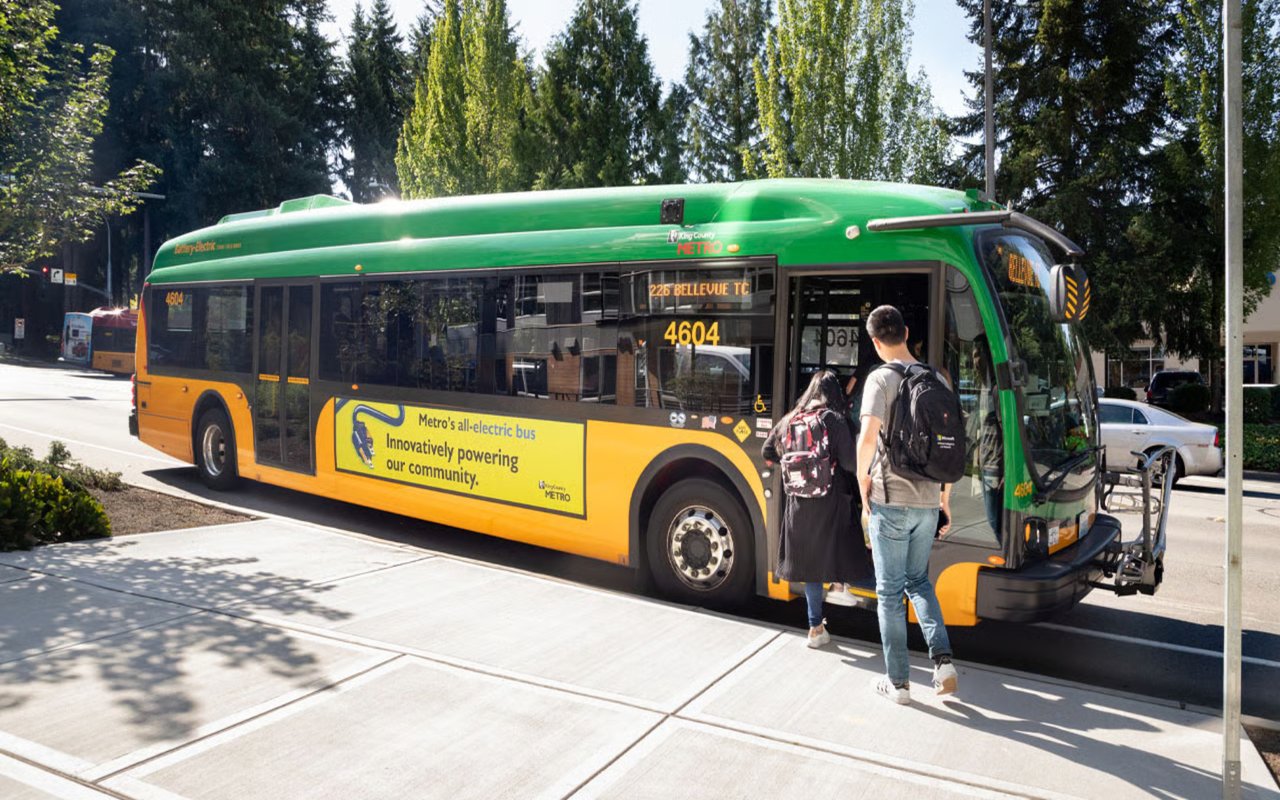
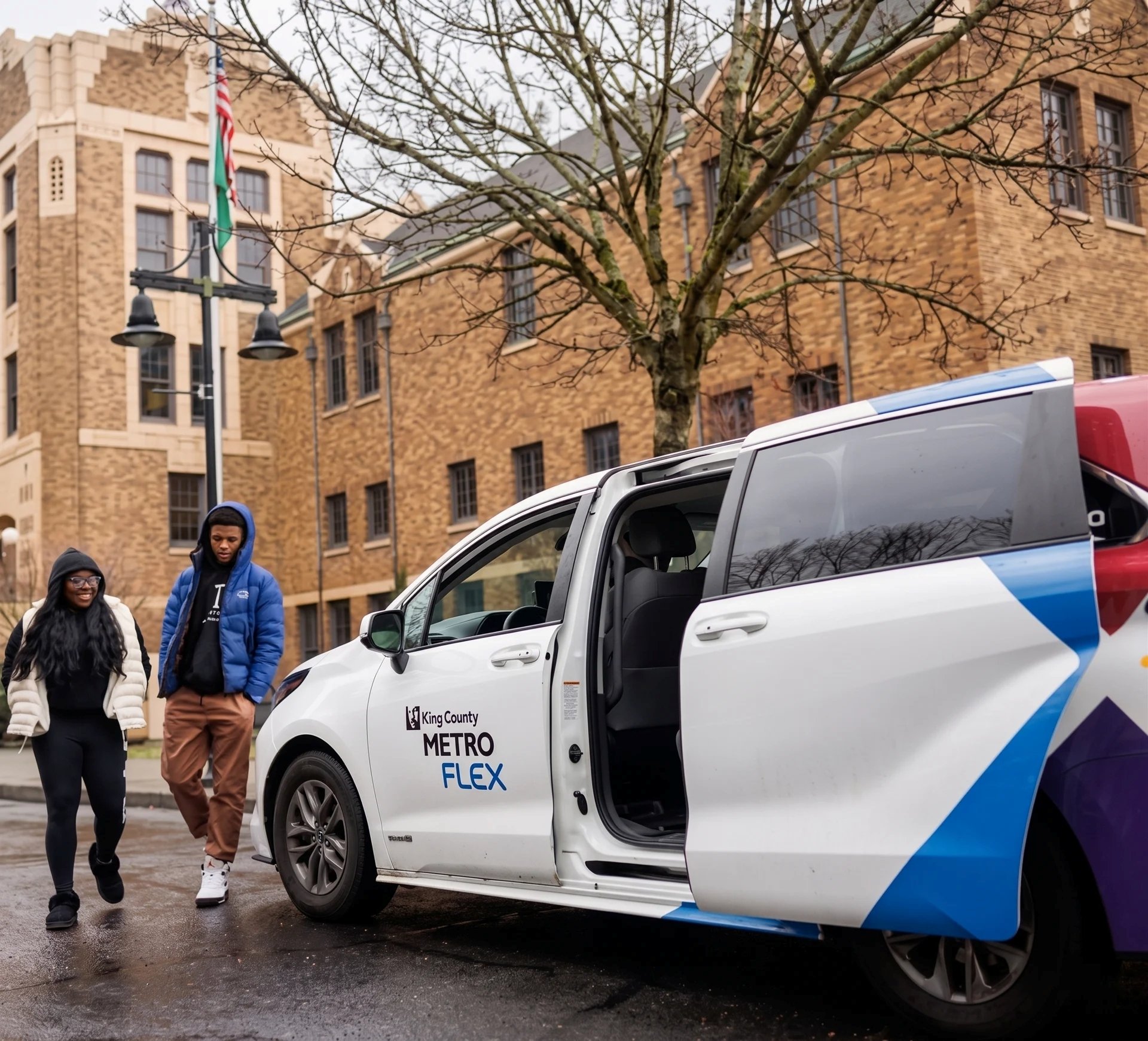
Metro Flex is King County Metro's on-demand neighborhood transit service that lets riders request a ride within a defined service area by app or phone. It works more like a local shared shuttle than a fixed bus route.
According to King County Metro, Metro Flex lets riders travel anywhere inside the service area for the same cost as a Metro bus trip. Riders can use the Metro Flex app, and Metro also says phone booking is available.
That last part matters for real estate. Metro Flex is not meant to replace every car trip or carry someone across the whole county. It is built for short local trips inside a zone, such as getting to a transit hub, grocery store, medical appointment, school, or nearby business district.
For a buyer, the service area boundary matters more than the brand name. A home that looks close to a Flex zone on a map may still be outside the boundary. Before making a decision based on Metro Flex, confirm the exact pickup and drop-off area on King County Metro's current service map.
Which South King County Neighborhoods Have Metro Flex in 2026?
In 2026, South King County buyers should pay attention to existing Metro Flex service in places such as Kent, Renton Highlands, and Tukwila, along with new or planned pilot zones in Auburn and Federal Way. These areas are especially relevant because they connect the real estate conversation with commuting, household transportation costs, and access to regional transit.
King County Metro's current Metro Flex page lists service areas across the county, and Via's Metro Flex service page lists areas including Kent, Renton Highlands, Tukwila, South Park, Delridge, Issaquah, Sammamish, Juanita, Northshore, Othello, Rainier Beach, Skyway, and Overlake. Source: Metro Flex service page
Metro's 2026 to 2027 approved budget adds another layer. King County Metro reported that the budget initiates new Metro Flex pilot zones in Auburn and Federal Way.
For homebuyers, that means the South King County transit map is still changing. Kent, Renton Highlands, and Tukwila are already part of the current Flex conversation. Auburn and Federal Way are areas to watch closely because the new pilot zones may improve local connections to transit hubs and everyday services.
Because Auburn and Federal Way are pilot zones, buyers should verify current launch timing, service boundaries, and operating hours directly with King County Metro before treating Flex access as part of a commute plan.
Buyers comparing Renton Highlands should also look at how street design, transit access, and local mobility planning affect daily life. For more local context, see What Renton’s Safer Streets Push Means for Families, Commuters, and Local Home Values.
Sellers should also pay attention. If a home sits inside or near a Metro Flex area, that is a practical location feature to mention, as long as the listing language stays accurate and does not promise service availability beyond what Metro confirms.
How Could Metro Flex Change What Commute-friendly Means in South King County?
Metro Flex could change commute-friendly from "close to a freeway" to "close enough to a useful transit connection." That distinction matters for hybrid workers who commute two or three days a week instead of every weekday.
King County Metro says Metro Flex rides can connect riders with buses, Sound Transit Link light rail, and Sounder when riders use ORCA for transfers.
For example, a buyer may compare two homes. One is a 15-minute drive to a station, but parking is unreliable or expensive. Another is close enough to use Metro Flex for a short ride to a station or local transit hub. The second home might be more practical for a household that wants to drive less, even if it is not technically "walking distance" to rail.
This does not remove the need to test the commute. Buyers should still check service hours, expected wait times, transfer timing, weekend availability, and how the route works in bad weather or after dark. A good commute plan is not a theory. It is something you can test before writing an offer.
For more context on commute-related planning in nearby areas, see How Pipeline Road Timing in Black Diamond Impacts Ten Trails Buyers and Commutes.
Can Metro Flex Help Buyers Live With One Car Instead of Two?
Metro Flex may help some South King County households live with one car instead of two, but only when the home, schedule, service boundary, and daily routines fit together. It works best as one part of a transportation plan, not the only plan.
The cost side is easy to understand. A second car can mean another insurance bill, more fuel, more maintenance, more parking costs, and more repair risk. For buyers trying to stay within budget, reducing one vehicle may free up monthly cash that can go toward the mortgage, savings, home maintenance, or childcare.
But the practical side is where buyers need to be honest. A 1-car setup may work well for a remote worker whose partner drives to work, an empty nester with flexible errands, or a buyer who commutes to an office only a few days a week. It may not work as well for households with multiple school drop-offs, late-night shifts, long regional commutes, or frequent trips outside the service area.
A useful question is: "Could we live here comfortably if one car was in the shop for two weeks?" If the answer is yes, the location may have more transportation flexibility than it first appears.
For buyers watching budget pressure, this also connects to the broader affordability conversation. See How Rising Mortgage Rates Are Affecting Home Buying in South King County.
Which Home Types May Benefit Most From Metro Flex Access?
Townhomes, condos, smaller single-family homes, and homes with limited parking may be easier for some buyers to consider when useful Metro Flex access is nearby. These properties often appeal to buyers who care about monthly cost, convenience, and location efficiency.
A buyer looking at a townhome in Kent or Renton Highlands, for example, may care less about a three-car garage and more about whether they can reach transit, groceries, school, parks, or medical care without driving every time. Metro Flex does not solve every trip, but it can make a smaller property feel easier to live in.
This can matter for sellers too. A small garage or limited driveway is usually seen as a drawback. In the right location, it can be reframed more honestly as part of a lower-maintenance, transit-aware lifestyle. The listing still needs to be accurate. The goal is to help the right buyer understand the fit.
Homes near Flex zones may also interest remote workers, younger buyers, empty nesters, and people who want suburban space but do not want to drive for every errand. The audience is not one single group. It is anyone trying to reduce friction in daily life.
What Should Buyers Check Before Relying on a Metro Flex Zone?
Buyers should confirm the exact Metro Flex boundary, service hours, booking options, transfer points, and real travel time before relying on Metro Flex as part of a home search decision. Do not assume a home qualifies just because it is near a city name listed on a service page.
Seattle Transit Blog noted in April 2026 that Metro Flex service boundaries can be updated, and that riders generally use Metro Flex within the same neighborhood rather than between Flex neighborhoods. Source: Seattle Transit Blog.
That is the kind of detail buyers should take seriously. A home just outside a service boundary may not have the same practical benefit as a home inside the zone. A route that works at 10 a.m. may not work for a 6 a.m. shift or a late evening return.
Before making an offer, test the actual use case:
-
Enter the home address or nearby pickup area in the current Metro Flex app or service map.
-
Check weekday, weekend, and evening hours.
-
Test a trip to the nearest Link, Sounder, bus, grocery, medical, or school destination.
-
Compare Metro Flex travel time with driving, fixed-route bus, walking, and rideshare.
-
Ask whether the household can handle schedule changes if a ride takes longer than expected.
-
Confirm parking, garage, and driveway needs if the household drops a second vehicle.
This is not overthinking. It is due diligence. Transportation costs are part of the cost of owning a home, even when they do not show up in the purchase price.
How Should Sellers Near a Metro Flex Area Talk About Transit Access?
Sellers near a Metro Flex area should describe transit access clearly, factually, and without overpromising. Good listing copy can mention proximity to a Flex zone, nearby transit hubs, or local connections, but it should not imply guaranteed service if the home is outside the boundary.
For example, a listing might say: "Located near Kent transit options and Metro Flex service areas. Buyer to verify current Metro Flex boundary and service availability." That is more useful than vague language like "perfect for commuters."
Sellers should also connect transit access to the daily life around the home. Is the property near a grocery store, park, medical clinic, bus stop, Sounder station, Link station, or shopping area? Does the home have a garage that works for storage rather than a second vehicle? Is the neighborhood easier to manage for someone who works from home most days?
A well-prepared listing should help buyers picture how the home works Monday through Sunday. That includes commute days, work-from-home days, errands, school schedules, and weekend plans.
For a broader seller strategy conversation, see South King County Real Estate Trends Explained: Fast vs Slow Markets in 2026.
How Does Metro Flex Connect With Link Light Rail and South King Transit Changes?
Metro Flex matters more when it connects to the larger transit network. In South King County, that means buyers should watch how Flex zones interact with Link light rail stations, Sounder stations, buses, and local routes.
King County Metro's 2026 to 2027 budget article says the approved budget adds service and includes investment in Link light rail, which Metro operates, as well as Metro Flex and other mobility services.
This is especially relevant around Federal Way and Auburn. The Urbanist reported that the planned new Metro Flex zones would support parts of Auburn and serve areas north and east of Federal Way Downtown Station as part of South King transit changes.
For buyers, the bigger point is simple: do not evaluate Metro Flex by itself. Evaluate the chain. Home to Flex pickup. Flex to station. Station to workplace. Station back to Flex. Flex back home. If one part of that chain is unreliable for your schedule, the whole plan may not work.
For sellers, homes with multiple transportation options may appeal to more buyers, especially if the listing explains those options in a specific and verifiable way.
Could Metro Flex Affect Buyer Interest in South King County?
Metro Flex could affect buyer interest in parts of South King County by making some homes feel more practical for buyers who want lower housing costs, suburban space, and better local transit options. The effect will likely be most noticeable where Flex service connects well to stations, shopping, schools, and daily errands.
That does not mean every home near a Metro Flex zone will command a premium. Real estate value still depends on price, condition, layout, lot, school boundaries, commute, interest rates, inventory, and buyer demand. Transit access is one factor among many.
Still, transportation flexibility can matter. A buyer who can reduce car costs may have more monthly room in the budget. A seller whose home fits a car-light lifestyle may have another useful angle in marketing. A relocating household may feel more comfortable choosing South King County if the area offers more than one way to get around.
This is where South King County is worth watching. Buyers are not only asking where they can afford a home. They are asking where the home will work with the life they actually live.
What is the Buyer Checklist for Homes Near a Metro Flex Zone?
A buyer checklist for homes near a Metro Flex zone should test the service, the household schedule, the transit connection, and the true cost of car ownership. The goal is to avoid buying based on a transit assumption that does not hold up after move-in.
Use this checklist before making Metro Flex part of your home search strategy:
-
Confirm whether the exact property is inside, outside, or near the current Metro Flex boundary.
-
Check service hours for weekdays, evenings, weekends, and holidays.
-
Test a trip to a Link station, Sounder station, bus stop, grocery store, medical office, or school.
-
Compare total travel time against driving and fixed-route bus options.
-
Ask whether a 1-car or 1.5-car setup fits your actual household routine.
-
Review garage, driveway, guest parking, and street parking limits.
-
Estimate savings from one less car, including insurance, gas, maintenance, parking, and repairs.
-
Check whether rides can be booked by phone if not everyone in the household uses a smartphone.
-
Recheck the service map before closing, especially if the area is part of a pilot or boundary update.
For buyers comparing the eastern side of South King County, Maple Valley or Covington: How to Choose Your Next Home Base may also help frame the tradeoffs between commute, cost, space, and local convenience.
What Should You Do Next?
Metro Flex is not the whole answer to South King County transportation. It is one tool that may make certain homes more practical for hybrid workers, remote workers, 1-car households, empty nesters, and buyers who want to reduce everyday driving.
Thinking about buying in Kent, Renton, Auburn, Federal Way, Covington, Maple Valley, Black Diamond, or Enumclaw? Let’s compare the full cost of the move, including commute time, parking, gas, transit access, and whether a 1-car setup could work for your household. Reach out to Perkins & Associates Real Estate for a local home search strategy built around how you actually live.
A good home search should account for the way your household actually gets through the week.
Frequently Asked Questions
Is Metro Flex Useful for Homebuyers in South King County?
Metro Flex can be useful for South King County homebuyers who want more transportation options close to home. It may help with short local trips, station access, errands, and reducing dependence on a second car. Buyers should confirm the exact service boundary, hours, and trip options before treating it as part of their commute plan.
Can Metro Flex Replace a Second Car?
Metro Flex may help some households live with one car instead of two, but it will not work for every schedule. It is most practical for remote or hybrid workers, empty nesters, flexible commuters, and households that can plan around service boundaries and operating hours. Buyers should test common trips before relying on it.
Which South King County Areas Have Metro Flex Service?
Current South King County areas tied to Metro Flex include Kent, Renton Highlands, and Tukwila, with Auburn and Federal Way identified in Metro's 2026 to 2027 budget as new pilot zones. Service areas can change, so buyers should always verify current boundaries with King County Metro before making a home decision.
Should I Buy a Home Inside a Metro Flex Zone or Near One?
A home inside a Metro Flex zone may be more useful for a car-light household than a home just near the boundary. Being nearby is not always enough if the property is outside the service area. Buyers should confirm the exact address or closest pickup point before assuming Flex service will work.
What Should Sellers Say if Their Home is Near Metro Flex?
Sellers should describe Metro Flex access in a factual way and ask buyers to verify current service. Good listing language can mention nearby transit options, local service areas, and access to stations or errands, but it should not promise service if the property is outside the boundary. Specific, accurate wording is better than broad commute claims.