A practical guide for buyers relocating to Maple Valley, covering lifestyle, commute, housing, and key decisions before you make a move
Thinking about moving to Maple Valley is a major decision, especially for buyers looking for more space without losing access to the greater King County area.
Here’s what most buyers don’t realize at first: Maple Valley offers lifestyle advantages, but it also requires adjustments in how you plan your daily routine, commute, and long-term costs.
If you’re relocating, upgrading, or simply exploring your options, this guide will walk you through the key factors you should understand before making an offer.
As a local real estate professional working closely in Maple Valley, I help buyers navigate these decisions with clarity so they can move forward confidently, not reactively.
What Is It Like Living in Maple Valley and How Does Location Affect Daily Life?
Living in Maple Valley offers a quieter, more spacious lifestyle compared to Seattle or Bellevue, but daily life is more car-dependent.
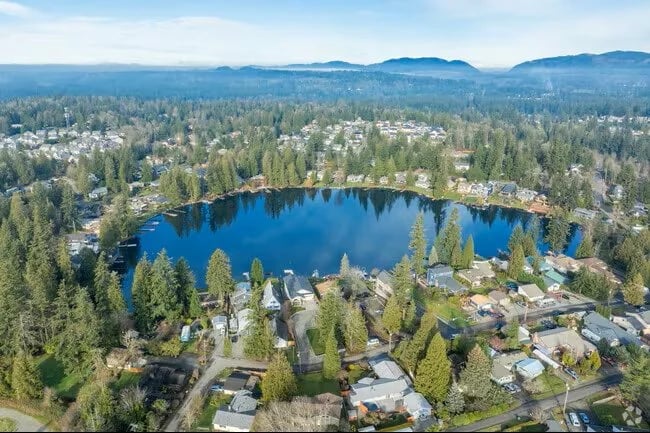
Located in southeast King County, Maple Valley is surrounded by Covington, Black Diamond, and unincorporated areas. This gives buyers access to more space and less congestion, but fewer walkable amenities.
For many move-up buyers, this tradeoff is intentional. You’re choosing more room, better surroundings, and a slower pace of life.
What Types of Homes Can You Expect in Maple Valley?
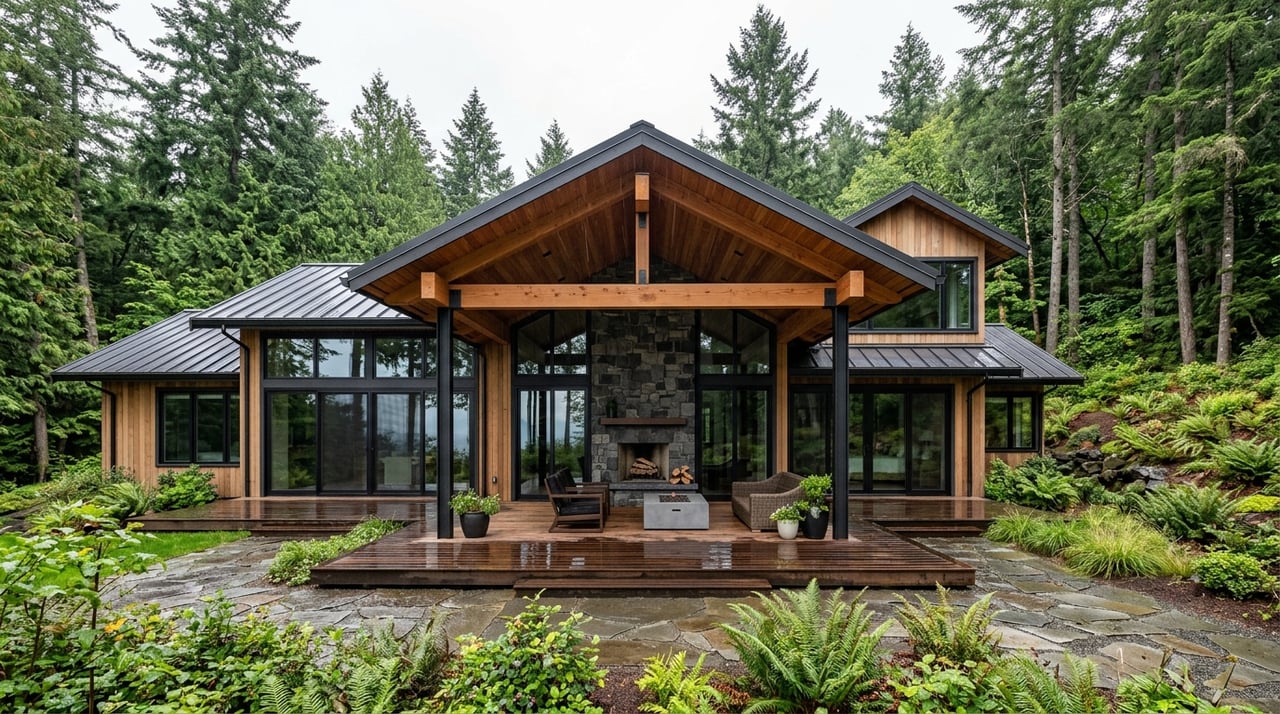
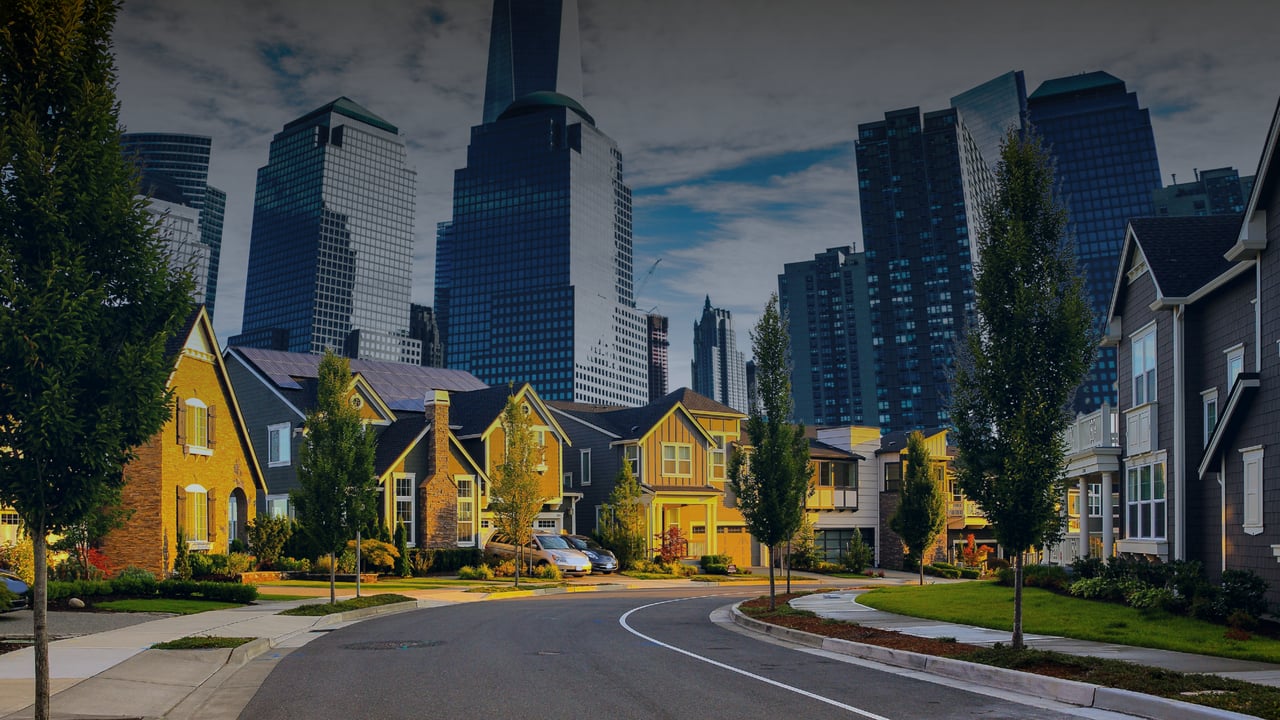
Most homes in Maple Valley are single-family residences with larger layouts and newer construction.
According to Northwest MLS (https://www.nwmls.com), the area is dominated by detached homes rather than condos or townhomes.
This appeals to buyers who want:
-
More interior space
-
Functional layouts
-
Private outdoor areas
However, it also means increased maintenance and fewer low-maintenance housing options.
How Do Commutes From Maple Valley Actually Work?
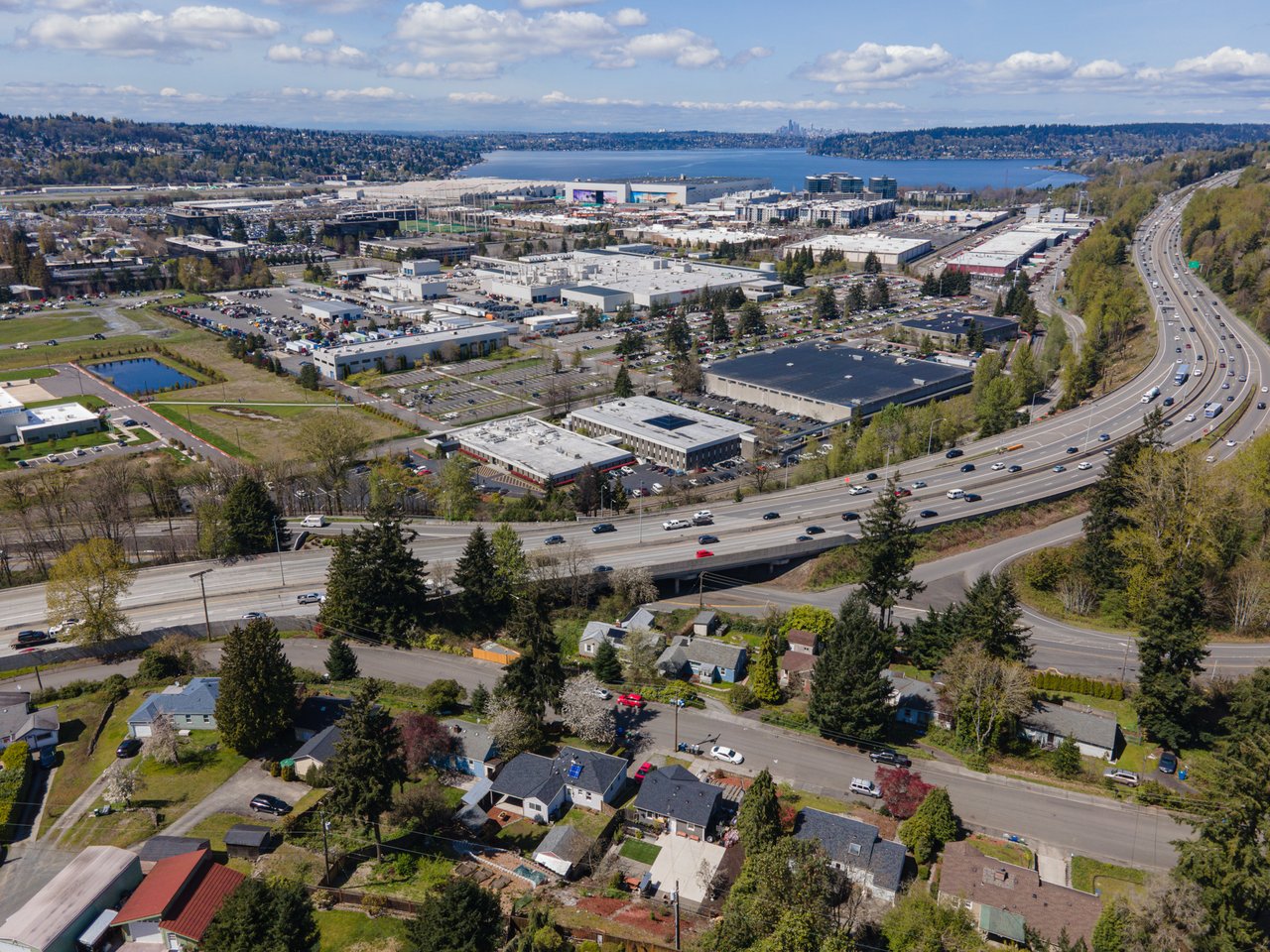
Commutes from Maple Valley are primarily car-based and depend heavily on routes like State Route 18.
According to King County Department of Transportation (https://kingcounty.gov/en/categories/transit-transportation-roads), congestion during peak hours can significantly impact commute times.
Here’s the key insight: your experience depends on your schedule.
-
Remote or flexible workers often enjoy the location more
-
Daily commuters must plan carefully around traffic patterns
Understanding this early helps avoid one of the most common relocation mistakes.
What Should Buyers Know About Utilities and Infrastructure?
Utilities and infrastructure vary by neighborhood in Maple Valley, which can directly impact costs and maintenance.
Some homes are connected to city utilities, while others rely on septic systems or local water districts.
The City of Maple Valley (https://cms3.revize.com/revize/maplevalleywa/Documents/Government/Codes%20And%20Plans/Comprehensive%20Plan/13%20%20Utilities%20Element%2002_2.pdf) outlines infrastructure planning and service areas.
Buyers should evaluate:
-
Utility providers
-
Sewer or septic systems
-
Road maintenance responsibilities
These details influence long-term ownership more than most expect.
How Does Maple Valley Compare to Nearby Areas Like Renton or Covington?
Maple Valley offers lower density and newer housing compared to nearby King County cities, but with fewer immediate amenities.
According to Puget Sound Regional Council (https://www.psrc.org/sites/default/files/2022-02/vision2050_scopingreport.pdf), the area is part of a long-term growth plan balancing housing and infrastructure.
The decision comes down to priorities.
Do you want:
-
More space and quieter surroundings?
-
Or faster access to urban amenities?
The right answer depends on your lifestyle.
What Costs Should Buyers Expect Beyond the Purchase Price?
The true cost of owning a home in Maple Valley includes more than just the purchase price.
Buyers should plan for:
-
Property taxes
-
Utilities
-
Maintenance
-
Transportation costs
According to Washington State Office of Financial Management (https://ofm.wa.gov/data-research/population-demographics/), regional cost factors can vary significantly based on location and commuting needs.
Many buyers underestimate transportation costs, which can have a noticeable impact over time.
Is Maple Valley Growing and How Does That Impact Buyers?
Maple Valley is experiencing steady, long-term growth rather than rapid expansion.
Census data (https://data.census.gov) shows consistent population increases supported by infrastructure planning.
For buyers, this means:
-
Continued housing demand
-
Stable community development
-
Long-term investment confidence
Understanding growth patterns helps you make smarter long-term decisions.
How Do You Know If Maple Valley Is the Right Fit for You?
The best way to determine if Maple Valley is right for you is to experience it firsthand.
Spend time:
-
Driving commute routes
-
Visiting neighborhoods at different times
-
Exploring local amenities
Most buyers rely too heavily on online research. The most confident decisions come from real-world experience.
Conclusion
Moving to Maple Valley is about more than just finding a home, it’s about finding the right fit for your lifestyle and long-term goals.
When you understand the tradeoffs, plan ahead, and approach the process strategically, the experience becomes much smoother and more rewarding.
If you’re considering a move and want clear, personalized guidance, I’m here to help you every step of the way.
Reach out today to talk through your options and create a plan that works for you.
Frequently Asked Questions
Is Maple Valley considered suburban or rural?
Maple Valley is generally suburban, though some surrounding areas feel more rural depending on lot size and services.
How far is Maple Valley from Seattle and Bellevue?
Commute times typically range from 40 to 60 minutes depending on traffic and destination.
Are most homes in Maple Valley newer or older?
The area includes both newer developments and established neighborhoods, with many homes built from the 1990s onward.
What should buyers know about traffic and commuting?
Traffic can vary significantly by time of day, making schedule flexibility an important factor.
Is Maple Valley a good option for remote workers?
Yes, many remote workers choose Maple Valley for its space and quieter environment, provided internet access meets their needs.
Planning Your Next Move
If you are thinking about buying, selling, or planning your next move, our team is happy to help you think through your options and next steps.
📧 [email protected]
📱 (206) 960-4985
Honest. Effective. Reliable.
Sources
https://www.nwmls.com
https://kingcounty.gov/en/categories/transit-transportation-roads
https://cms3.revize.com/revize/maplevalleywa/Documents/Government/Codes%20And%20Plans/Comprehensive%20Plan/13%20%20Utilities%20Element%2002_2.pdf
https://www.psrc.org/sites/default/files/2022-02/vision2050_scopingreport.pdf
https://ofm.wa.gov/data-research/population-demographics/
https://data.census.gov