During house hunting, the home itself is only part of the decision. Location matters just as much, and for many buyers, a property’s proximity to a school can be a major factor.
Even if you do not have children, living near a school can shape your daily routine, your neighborhood experience, and even your home’s resale appeal. With school in session for much of the year, it is worth weighing the advantages and disadvantages before making an offer.
Here are the main pros and cons to consider before buying a home near a school.
Pros of Buying a Home Near a School
1. A Shorter, Easier School Commute
If you have school-aged children, living close to their school can make mornings much easier.
School drop-off and pick-up lines can be slow, stressful, and time-consuming. Just as you would consider your work commute before buying a home, it is smart to think about how long the school commute will take each day.
Living close enough to walk can help you avoid the car line, save time, and give your kids a chance to get some extra movement before and after class. It may also make after-school activities, early dismissals, and school events much easier to manage.
2. A Stronger Sense of Neighborhood Safety
Schools often bring added attention to safety in the surrounding area.
Many school zones have reduced speed limits, crossing guards, signage, and a more visible presence from local law enforcement during busy times. For buyers who value a neighborhood with a steady flow of families, staff, and community activity, this can be a meaningful benefit.
That said, every neighborhood is different. Before making a decision based on perceived safety, check local crime maps, visit the area at different times of day, and pay attention to traffic patterns near the school.
3. Access to Playgrounds, Fields, and Open Space
Some schools offer nearby recreational spaces that may be available to the community outside of school hours.
Depending on the school and district rules, this could include playgrounds, basketball courts, tracks, sports fields, or other outdoor areas. For families, having these amenities close to home can make it easier for kids to play outside and stay active.
Before you count this as a major advantage, confirm whether the school grounds are open to the public after hours. Some districts restrict access for safety, liability, or maintenance reasons.
4. A Built-In Community Hub
Schools can help create a stronger sense of community.
In many neighborhoods, schools host sporting events, performances, fundraisers, seasonal fairs, club activities, and community gatherings. Even if your children do not attend the school, these events can create opportunities to meet neighbors and feel more connected to the area.
In smaller communities especially, schools often serve as gathering places beyond the school day. That can add energy and connection to the neighborhood.
5. Potential Resale Appeal
Homes near well-regarded schools often appeal to buyers who prioritize convenience and school access.
For many families, being within walking distance of a school can be a major selling point. A convenient location near a desirable school or district may help support buyer demand when it is time to sell.
Of course, resale value depends on many factors, including home condition, local market conditions, school boundaries, traffic, and overall neighborhood appeal. Proximity to a school can help, but it should be considered alongside the full picture.
Cons of Buying a Home Near a School
1. Limited Street Parking
One of the biggest drawbacks of living near a school is the potential for limited street parking.
During school hours, special events, sports practices, and performances, nearby streets may fill with cars from parents, staff, students, and visitors. If the school has a small parking lot, surrounding residential streets may absorb the overflow.
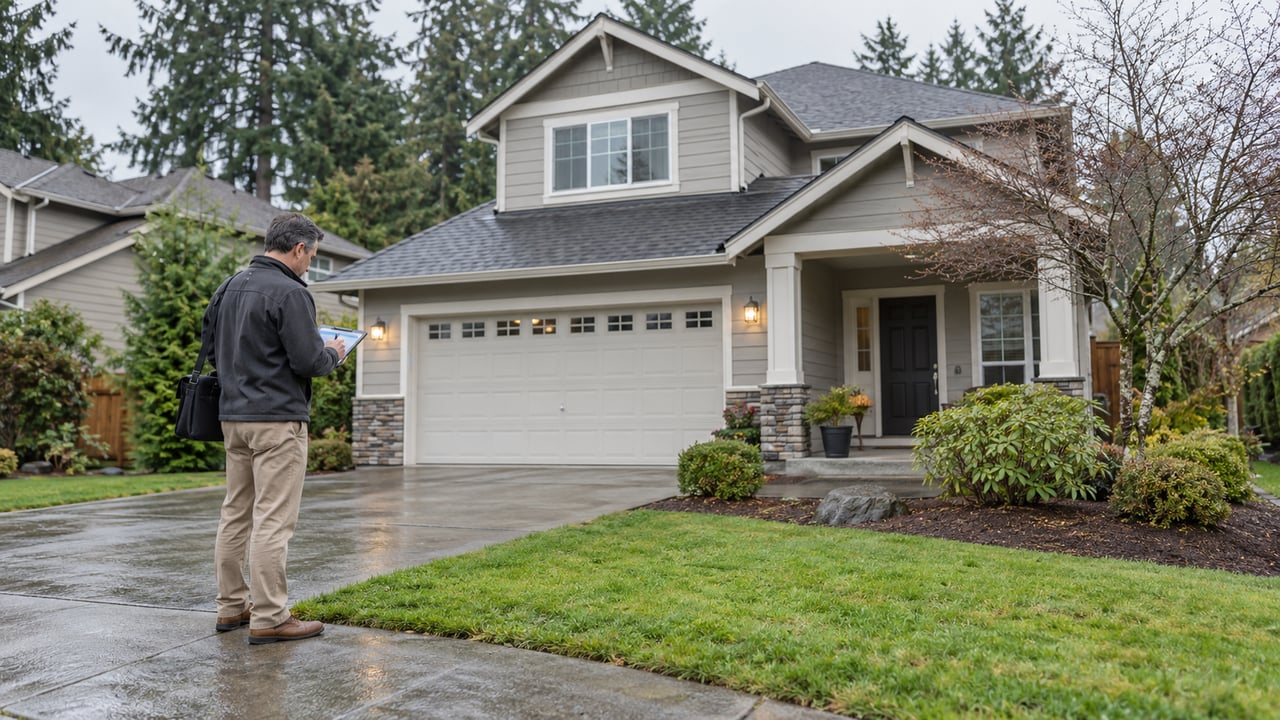
When touring a home near a school, pay attention to the parking situation during morning drop-off, afternoon pick-up, and evening events. A home with a spacious driveway or garage may help reduce this concern.
2. More Noise During the Day and Evening
Schools are active places, which means they can also be noisy.
Depending on the school’s layout, you may hear playground activity, bells, announcements, buses, sports practices, band rehearsals, or crowd noise from games and events. If the home is directly next to the school or across the street, the noise may be more noticeable.
Noise tolerance is personal. Some buyers enjoy the energy of a school nearby, while others prefer a quieter setting. Visit the property during school hours and after-school activity times so you know what to expect.
3. Heavier Traffic at Peak Times
Traffic is another common concern when buying near a school.
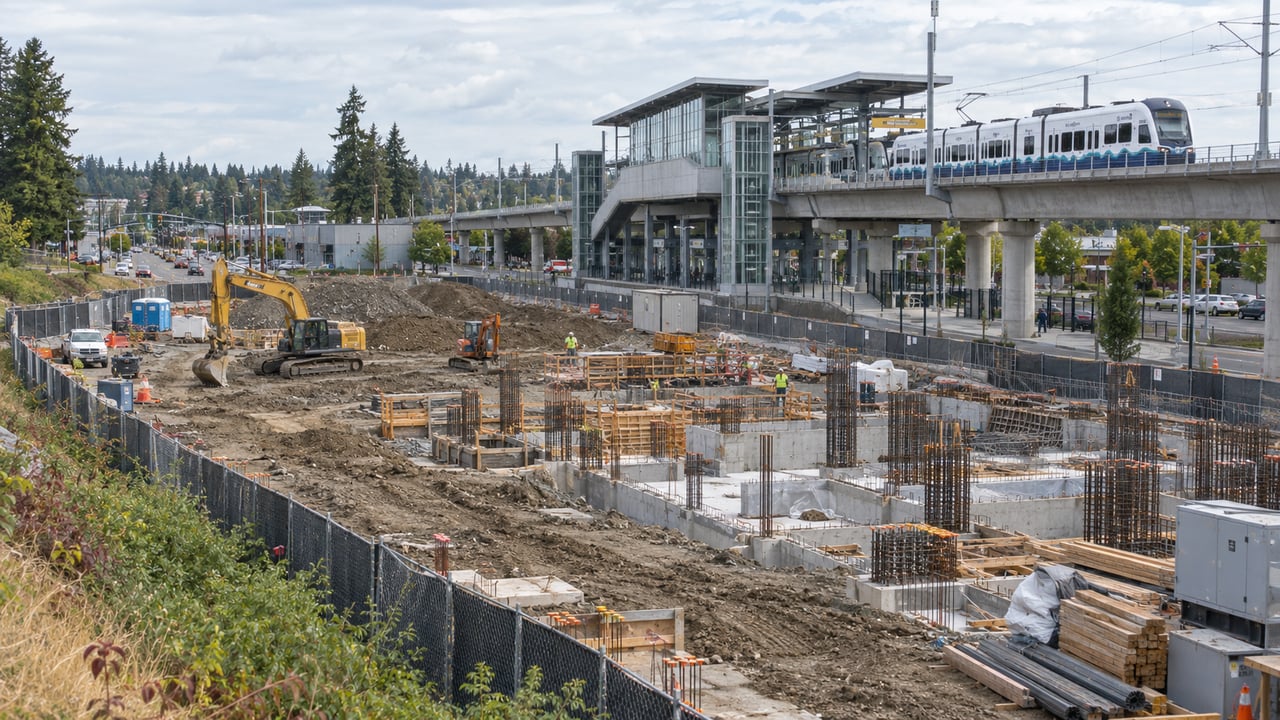
Morning drop-off and afternoon pick-up can bring idling cars, buses, pedestrians, and congestion. Special events such as plays, athletic games, parent-teacher conferences, and graduations can also create traffic outside regular school hours.
Before buying, observe the neighborhood during peak times. Ask yourself whether the traffic pattern would affect your work schedule, errands, parking, or daily routine.
4. More Foot Traffic Around the Property
Living near a school can mean more children, parents, and pedestrians moving through the neighborhood.
Most of the time, this is simply part of the normal school-day rhythm. However, some homeowners may experience kids cutting across lawns, lingering nearby after school, or unintentionally entering private property.
A fence, landscaping, clear property boundaries, and friendly communication with neighbors can help minimize issues. Still, if privacy is a top priority, this is something to consider carefully.
Bottom Line: Is Buying Near a School Right for You?
Buying a home near a school can be a great fit for the right buyer, but it is not perfect for everyone.
You may love the convenience, community feel, added activity, and potential resale appeal. At the same time, you will want to be comfortable with the possibility of traffic, noise, parking challenges, and more foot traffic during the school year.
The best approach is to visit the home at different times, observe the school-day routine, and think honestly about your lifestyle. If the benefits match your priorities and the drawbacks feel manageable, a home near a school could be a smart and convenient choice.
Frequently Asked Questions
Is It Good to Buy a House Near a School?
Buying near a school can be a good choice if you value convenience, community activity, and potential appeal to future buyers. It may be especially helpful for households with children who attend the nearby school. However, it is important to consider traffic, parking, and noise before deciding.
Do Homes Near Schools Have Better Resale Value?
Homes near desirable schools may attract more buyer interest, especially from families who want a shorter commute to school. However, resale value depends on many factors, including the home’s condition, local market demand, neighborhood features, and school boundaries. Proximity to a school can be a benefit, but it is not a guarantee.
What Should I Check Before Buying a Home Near a School?
Visit the area during morning drop-off, afternoon pick-up, and evening events to understand traffic and parking. Listen for noise, observe pedestrian activity, and check whether school grounds are open to the public after hours. It is also smart to review local crime maps and confirm school boundary information.
Is Living Near a School Noisy?
It can be, depending on the location of the home and the school’s activity level. Homes directly beside a playground, sports field, or parking lot may hear more noise than homes a few blocks away. Touring at different times of day can help you decide whether the noise level is acceptable.