If you are planning to sell in Covington, timing alone will not do the heavy lifting. In a market where homes can move fast, buyers still have options, which means presentation, pricing, and preparation all matter. A smart prep plan helps you avoid last-minute stress and launch with confidence. Let’s dive in.
Why Prep Matters in Covington
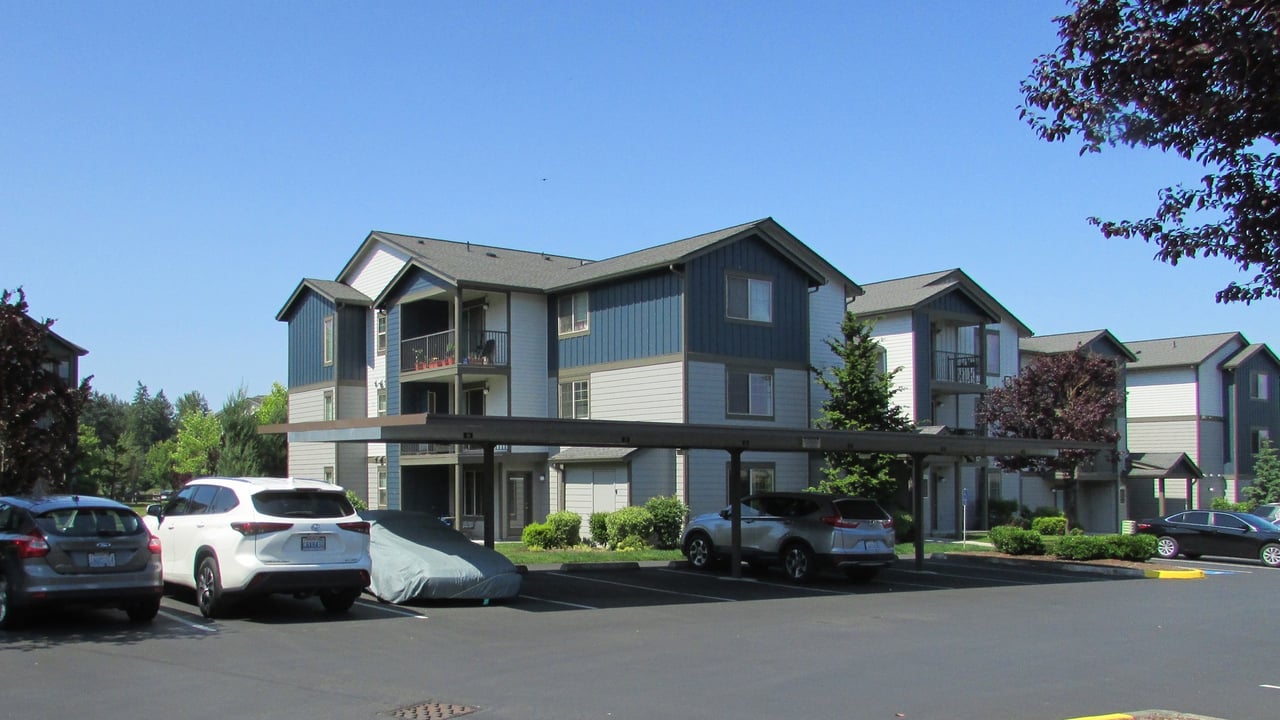
Covington’s built environment is shaped by residential neighborhoods that expanded over decades, especially from the 1960s onward. In a setting like that, buyers often notice the basics first: how the home looks from the street, how the entry feels, and whether the inside looks clean, cared for, and easy to imagine living in.
That first-impression factor matters even more when you look at current market conditions. Redfin reported Covington’s median sale price at $824,950 in March 2026, with homes selling in about 15 days and the average home receiving 1 offer. At the same time, NWMLS reported King County’s median sales price at $859,000 in April 2026, while active listings across the NWMLS service area were up 28.4% year over year.
The takeaway is simple: your home may sell quickly, but that does not mean you can skip the prep work. When buyers have more choices, a polished launch can help your home stand out for the right reasons.
Start 3 to 4 Months Early
A realistic seller timeline in Covington usually begins about 90 to 120 days before you plan to list. Zillow’s 2026 guidance says most sellers start thinking about a move three to four months before listing, and that lead time is helpful if you want to handle repairs, cleaning, staging, and paperwork without feeling rushed.
For Seattle-area sellers, timing can matter too. Zillow identified the first half of April as the best 2026 listing window for the Seattle metro, which means your prep work should be done before that window opens if you want to launch cleanly.
A Practical Prep Timeline
90 to 120 Days Before Listing
-
Walk through the home with a critical eye
-
Build a punch list of needed repairs and updates
-
Gather permits, repair records, and warranty documents
-
Decide which items need contractor help
60 to 90 Days Before Listing
- Complete the higher-priority repairs
- Schedule paint touch-ups where needed
- Start shaping a staging plan
- Reserve contractor time early if work is needed
30 to 45 Days Before Listing
- Finish decluttering room by room
- Deep clean the home
- Tidy landscaping and outdoor spaces
- Prepare for listing photos
Final 1 to 2 Weeks
- Finalize pricing strategy
- Review listing photos and marketing order
- Confirm showing instructions
- Launch only when the home is fully ready
Focus on Visible Repairs First
One of the most common mistakes sellers make is assuming they need a major remodel before listing. In many cases, that is not necessary. A better approach is to focus on the repairs and updates buyers are most likely to notice in photos and during showings.
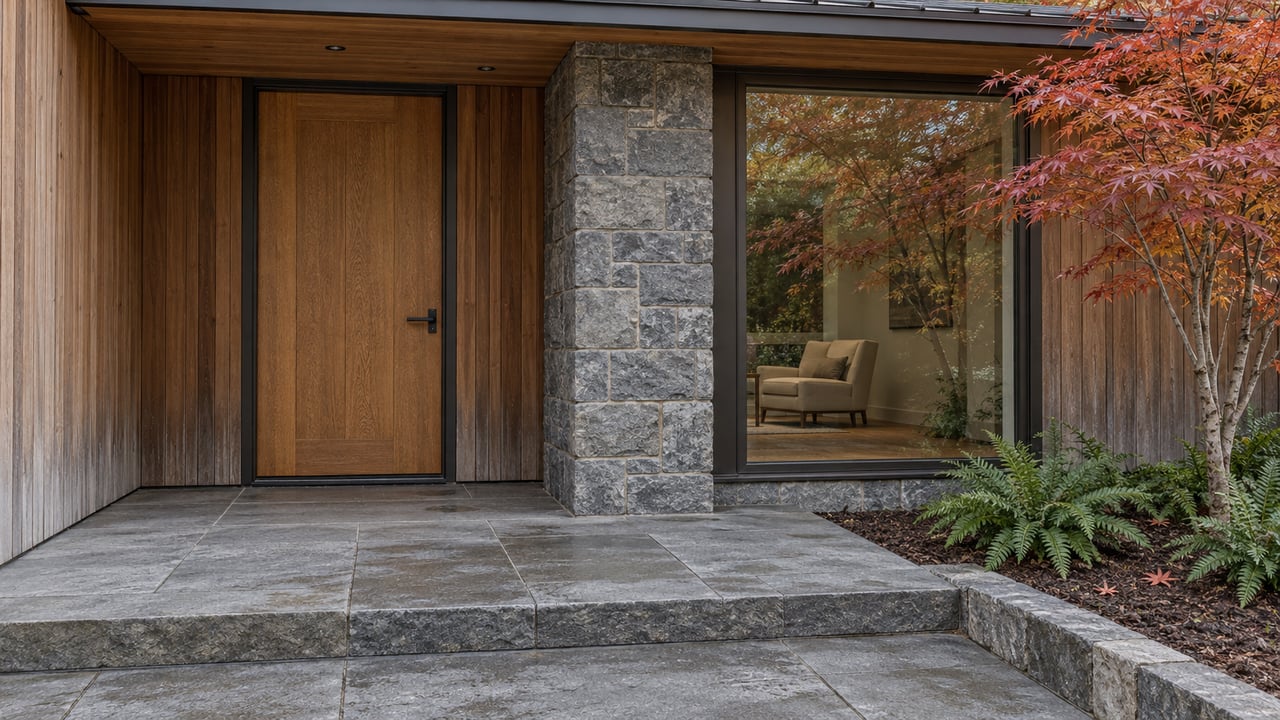
For many Covington homes, that means starting with curb appeal, the front entry, paint touch-ups, flooring condition, lighting, and clutter control. These are the details that shape a buyer’s first impression and help the home feel move-in ready.
If a repair affects how the home shows, it usually deserves attention first. If it is expensive, highly customized, or unlikely to change buyer perception, it may not be the best use of your time or budget.
High-Impact Items to Review
- Front door and entry condition
- Peeling paint or heavily marked walls
- Loose hardware or minor trim damage
- Burned-out light bulbs or dated lighting
- Worn carpet or scratched flooring
- Overgrown shrubs or neglected yard areas
- Full closets, crowded counters, and oversized furniture
Staging is About Clarity, Not Overdoing It
Staging often sounds bigger than it really is. In practice, it usually means decluttering, simplifying, and styling the home so buyers can focus on the space instead of your belongings.
That matters because NAR’s 2025 staging research found that 83% of buyers’ agents said staging makes it easier for buyers to visualize a property as their future home. More than a quarter of real estate professionals said staging led to a 1% to 10% increase in the dollar value offered, and about half of seller’s agents said staging reduced time on market.
For an occupied home, you do not need perfection. You need rooms that feel open, functional, and calm.
Simple Staging Priorities
- Remove personal photos and highly personal decor
- Reduce bulky furniture that makes rooms feel smaller
- Keep counters mostly clear
- Use neutral colors where paint needs refreshing
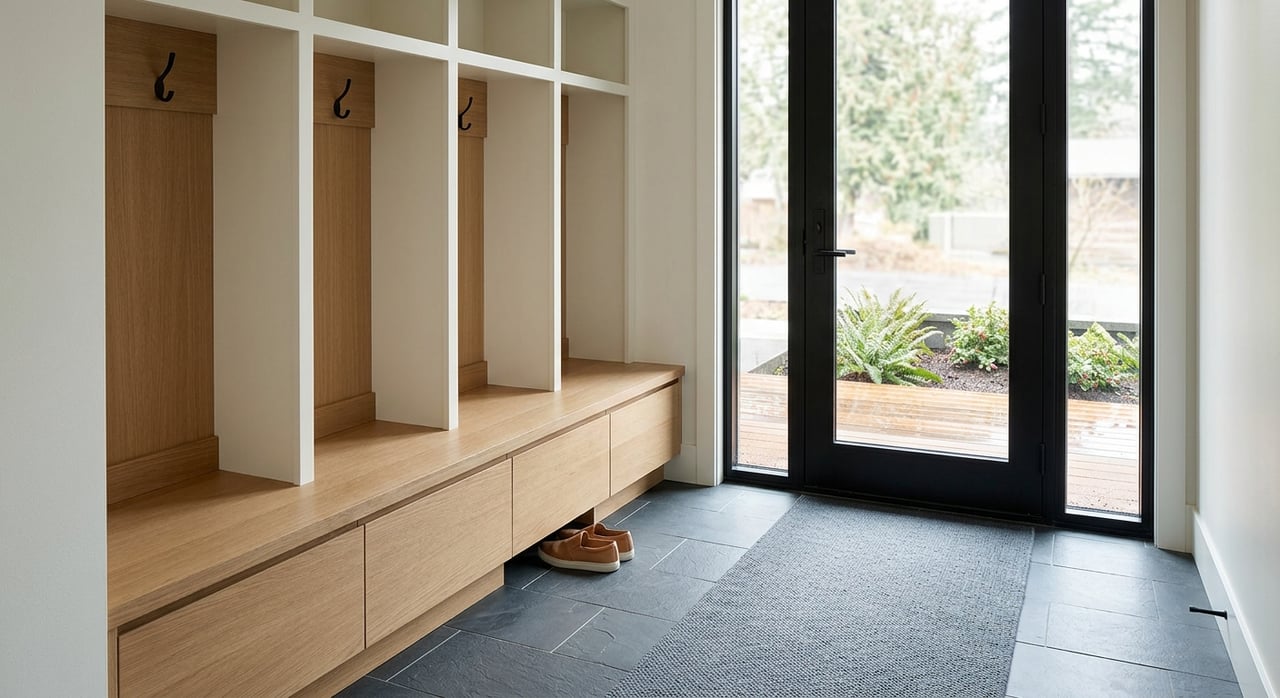
- Make the entry feel clean and welcoming
- Avoid overstuffed closets and storage spaces
NAR also notes that staging can take different forms, including full in-person staging, consultation-based staging, and virtual staging. The right fit depends on your home, your timeline, and whether the property will be occupied when it hits the market.
Plan Ahead for Permits and Paperwork
If your pre-sale punch list includes work that may require permits or inspections, do not leave that until the last minute. Covington’s Permit Services page says appointments are required, permit-center hours are Monday through Thursday from 8:00 a.m. to 5:00 p.m., and inspection requests are accepted until 3:00 p.m. for the following business day.
That local workflow matters because even small project delays can affect your launch date. If you think a repair may involve city review or inspection, build extra time into your prep plan.
Paperwork matters too. In Washington, for improved residential real property, the seller must provide a completed disclosure statement no later than five business days after mutual acceptance of a written contract, unless the parties agree otherwise. After receipt, the buyer generally has three business days to approve or rescind.
That is why it helps to gather your records before listing, not after. Try to collect:
- Repair invoices and receipts
- Permit records
- Appliance or system warranties
- Dates for major updates you have completed
Price for the Market You Are in
A strong prep plan can be undone by weak pricing. In Covington, pricing should reflect recent comparable sales, current buyer activity, and the amount of available inventory, not just an automated estimate.
This is especially important in a market where homes are still moving quickly, but buyers have more options than they did a year ago. With active listings up across the broader NWMLS service area, overpricing can make a home easier to skip.
The goal is not to guess high and hope. The goal is to launch at a price that matches condition, competition, and current demand.
Time Your Launch Carefully
Many sellers ask if they should list as soon as possible. In most cases, the better question is whether the home is truly ready.
For Seattle-area sellers, the first half of April has been identified by Zillow as the strongest 2026 listing window, and Thursday has historically been the strongest day to list because it gives buyers time to plan weekend showings. That can be useful context, but timing only helps if the home is fully prepared.
A clean launch usually works better than a rushed one. If photos, repairs, or staging are incomplete, it may be smarter to wait a little and come to market with your best presentation.
What a Coordinated Selling Plan Looks Like
Selling a home involves more than a sign in the yard. It usually means balancing prep decisions, timing, paperwork, pricing, and the day-to-day details that can pile up fast.
A coordinated approach helps you move through the process in the right order. That can include a walkthrough, a realistic punch list, help thinking through staging, scheduling support, pricing strategy, launch timing, and steady communication from list date through closing.
If you are planning to sell a home in Covington’s suburbs, a clear plan can make the whole experience feel more manageable. And when your home hits the market looking prepared and well-priced, you give yourself a better chance at a smooth, confident sale.
If you want practical guidance on pricing, prep, and launch timing in Covington, connect with Joe Perkins for a local, well-managed selling strategy.
FAQs
How Far in Advance Should I Start Preparing to Sell a Home in Covington?
- A good rule of thumb is to start 3 to 4 months before listing so you have time for repairs, decluttering, staging, paperwork, and scheduling.
Which Repairs Matter Most Before Listing a Home in Covington?
- Focus first on visible, buyer-facing items such as curb appeal, entry condition, paint touch-ups, lighting, flooring wear, and clutter reduction.
Do Pre-sale Home Projects in Covington Ever Need Permits?
- Some projects may require permits or inspections, so if your punch-list work goes beyond simple cosmetic fixes, check early and allow for the city’s scheduling process.
How Much Staging is Enough for an Occupied Home in Covington?
- For most occupied homes, enough staging means decluttering, removing personal items, reducing bulky furniture, clearing surfaces, and making each room feel open and functional.
When is the Best Time to List a Home in the Seattle-area Spring Market?
- Zillow’s 2026 guidance identified the first half of April as the strongest listing window for the Seattle metro, with Thursday historically being a strong day to launch.
How Should I Price a Home in Covington When Inventory is Changing?
- Price should be based on recent local comparable sales, current competition, and your home’s condition rather than relying only on automated estimates.