Home insurance after storm damage in Washington is one of the first things King County homeowners start searching for once the wind dies down, the rain slows, and the damage becomes clear. When storms bring flooding, fallen trees, power outages, roof damage, or structural issues, it can feel overwhelming to know what to do first.
Here is the most important thing to remember: your first steps can affect both your safety and your insurance claim.
This guide explains what King County homeowners should do after storm damage, how insurance coverage usually works, which claims are commonly denied, and where to find help if your home is no longer safe to live in.
What Should You Do First After Storm Damage to Your Home in King County?
The first thing you should do after storm damage is make sure your home is safe, then take reasonable steps to prevent further damage. Insurance companies typically expect homeowners to protect the property once it is safe to do so.
Start by checking for immediate hazards, such as:
-
Downed power lines
-
Gas smells
-
Unstable trees or branches
-
Roof damage
-
Flooding or standing water
-
Sagging ceilings
-
Broken windows or exposed openings
If the home is unsafe, leave immediately and contact emergency services. Do not climb onto a damaged roof, enter flooded areas with electrical risk, or inspect structural damage on your own.
Once it is safe, document everything. Take photos and videos of visible damage inside and outside the home, including roof shingles, siding, fencing, fallen trees, water intrusion, damaged flooring, ceiling stains, and personal property.
According to the Washington State Office of the Insurance Commissioner, homeowners should keep records, document damage, and understand their policy before moving forward with a claim. Source: https://www.insurance.wa.gov/insurance-resources/home-insurance
Key takeaway: Safety comes first. Documentation comes next. Both matter.
Does Homeowners Insurance Cover Wind and Storm Damage in Washington?
Most homeowners insurance policies in Washington cover wind damage, but coverage depends on the exact cause of the damage and the language in your policy. Wind damage to roofs, siding, windows, fences, and detached structures may be covered if the storm directly caused the loss.
The tricky part is water.
If wind damages your roof and rain enters through that opening, your homeowners insurance may cover the resulting interior damage. But if water rises from the ground, enters from flooding, or comes from river overflow, that is usually considered flood damage.
Flood damage is typically not covered by standard homeowners insurance. FEMA notes that flood assistance and flood-related recovery are separate from standard homeowners insurance coverage. Source: https://www.fema.gov/assistance/individual
Many homeowners discover this distinction only after a major storm. That is why it helps to review your policy before storm season and ask your insurance provider what is and is not covered.
How Do Insurance Claims Work After Major Windstorms in Washington State?
Insurance claims after major windstorms usually begin when you contact your insurance company to report the damage and open a claim. After that, the company assigns an adjuster to inspect the damage and determine what may be covered.
The process often looks like this:
-
You report the damage to your insurance company.
-
You receive a claim number.
-
An adjuster is assigned.
-
The adjuster inspects the damage in person or remotely.
-
The insurance company reviews the policy and damage report.
-
You receive an estimate, payment, denial, or request for more information.
-
Repairs begin once approved or once emergency mitigation is complete.
After widespread storms, timelines may slow down because thousands of homeowners may be filing claims at once. The National Weather Service provides weather alerts and storm information that can help homeowners understand the timing and severity of local events. Source: https://www.weather.gov/
Keep a claim folder with photos, videos, receipts, contractor estimates, adjuster notes, emails, and phone call summaries. Staying organized can help prevent delays and confusion.
What Storm Damage Is Commonly Denied by Insurance Companies?
Storm damage is commonly denied when the insurance company determines the damage was caused by an exclusion, old maintenance issue, or gradual problem rather than the storm itself. This does not always mean the homeowner did anything wrong. It often comes down to policy language.
Commonly denied or disputed issues may include:
-
Flooding from rising water
-
Earth movement, landslides, or mudflows
-
Long-term leaks
-
Pre-existing roof damage
-
Wear and tear
-
Poor maintenance
-
Mold caused by delayed cleanup
-
Damage without enough documentation
In King County, heavy rain can also increase the risk of slope movement, drainage problems, and water intrusion. If the insurer believes damage developed over time instead of during the storm, your claim may become harder to prove.
This is why timing matters. Report damage quickly, take photos before cleanup, and keep proof that the storm caused the issue.
Key takeaway: The stronger your documentation, the easier it is to show what happened and when.
How Long Do Storm Damage Insurance Claims Take in Washington?
Storm damage insurance claims in Washington can take a few weeks to several months, depending on the severity of the damage, contractor availability, claim volume, and whether the claim is disputed. Large regional storms almost always extend timelines.
According to the Washington State Emergency Management Division, damage assessments and recovery coordination can take time after severe weather events. Source: https://mil.wa.gov/emergency-management-division
If your home is still livable, you may be able to wait through the claim process while temporary repairs protect the property. If your home is not livable, ask your insurance company whether your policy includes additional living expenses coverage.
Save receipts for:
-
Hotels
-
Temporary rentals
-
Meals
-
Laundry
-
Pet boarding
-
Emergency supplies
-
Temporary repairs
These expenses may be reimbursable depending on your policy and the reason you were displaced.
Should You Make Repairs Before Filing an Insurance Claim?
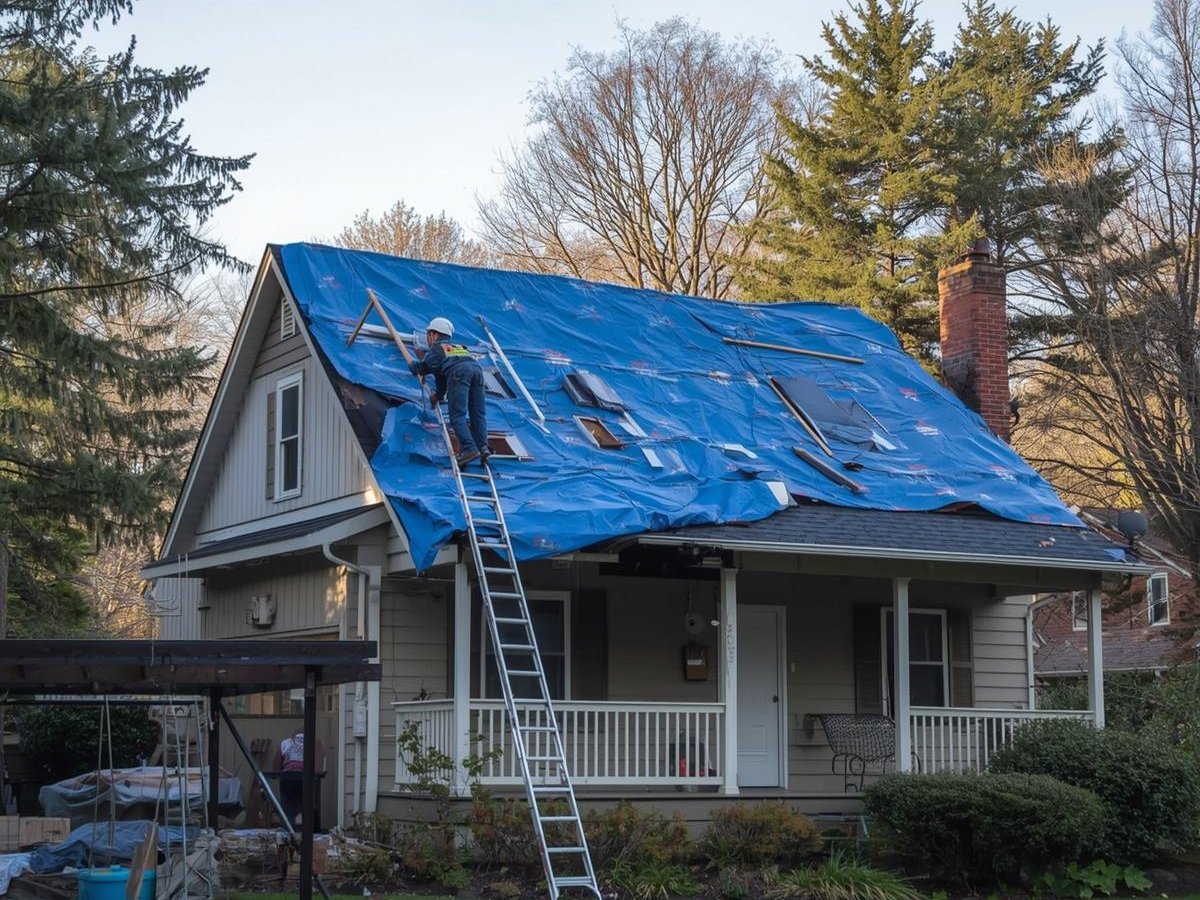
You should avoid permanent repairs before filing an insurance claim unless they are required for safety or to prevent further damage. Temporary repairs are usually encouraged, but major repairs should wait until the insurer has had a chance to inspect the damage.
Temporary repairs may include:
-
Tarping a damaged roof
-
Boarding broken windows
-
Removing standing water when safe
-
Moving belongings away from wet areas
-
Covering exposed openings
-
Turning off utilities if instructed by professionals
Take photos before and after temporary repairs. Keep every receipt, even for small items such as tarps, fans, plywood, or cleanup supplies.
Making permanent repairs too soon can complicate your claim because the adjuster may not be able to see the original damage.
How Does Storm Damage Impact Your Home’s Safety and Long-Term Condition?
Storm damage can affect your home’s structure, indoor air quality, electrical systems, and long-term durability. Even damage that looks minor can become expensive if water enters the home and is not handled quickly.
Water intrusion can lead to:
-
Mold growth
-
Wood rot
-
Insulation failure
-
Electrical hazards
-
Drywall damage
-
Flooring damage
-
Foundation or crawl space issues
The Environmental Protection Agency explains that mold can grow on wet materials and recommends controlling moisture quickly. Source: https://www.epa.gov/mold
The Washington State Department of Health also recommends prompt cleanup and drying after water intrusion to reduce health risks. Source: https://doh.wa.gov/community-and-environment/contaminants/mold
Even if you plan to stay in the home for years, storm damage should be addressed early. Delaying cleanup can make repairs more expensive and may affect the value, safety, and livability of the property.
What Temporary Assistance Is Available if Your Home Is Not Livable?
If storm damage makes your home unsafe, you may have access to temporary housing support through your insurance policy, local emergency resources, or disaster assistance programs. The first place to check is your homeowners insurance policy.
Many policies include additional living expenses coverage, which may help pay for hotels, short-term rentals, meals, and other necessary costs while your home is being repaired.
King County Emergency Management coordinates emergency planning, response, and recovery resources for local residents. Source: https://www.kingcounty.gov/depts/emergency-management.aspx
FEMA disaster assistance may also become available when federal disaster declarations are issued. Homeowners can check DisasterAssistance.gov for available programs and eligibility. Source: https://www.disasterassistance.gov/
Keep all receipts and written documentation. Assistance programs and insurance companies usually require proof of expenses.
What Help Is Available Locally for Displaced Homeowners in King County?
King County homeowners may be able to access emergency shelter coordination, local recovery information, and support services during major storm events. Availability depends on the type of event, severity, location, and whether local, state, or federal resources have been activated.
Start with King County Emergency Management for local updates and resources. Source: https://www.kingcounty.gov/depts/emergency-management.aspx
You can also monitor:
-
Local city emergency alerts
-
King County updates
-
Washington State Emergency Management Division updates
-
FEMA disaster assistance announcements
-
Utility outage maps
-
National Weather Service alerts
When you are displaced, it helps to create one folder for insurance documents, receipts, identification, repair estimates, and emergency contacts. That small step can make a stressful situation easier to manage.
How Can a Local Real Estate Professional Help After Storm Damage?
A local real estate professional can help homeowners understand how storm damage may affect property value, repair decisions, disclosure requirements, timing, and future resale plans. Even if you are not planning to sell right now, it helps to understand the real estate impact of storm-related damage.
A local real estate professional can help you think through questions like:
-
Will this damage need to be disclosed later?
-
Could this affect buyer confidence if I sell?
-
Should I repair, restore, or improve the damaged area?
-
How do nearby damaged homes affect the neighborhood market?
-
What documentation should I keep for future resale?
Local knowledge matters in King County because storms can affect neighborhoods very differently. One area may deal with fallen trees, while another faces water intrusion, slope movement, or power-related damage.
A real estate professional does not replace your insurance adjuster, contractor, attorney, or emergency manager. But they can help you understand how today’s recovery decisions may affect tomorrow’s real estate options.
Conclusion: What Should King County Homeowners Remember After Storm Damage?
Storm damage can turn daily life upside down, but understanding home insurance after storm damage in Washington helps King County homeowners regain control faster. Start with safety, document everything, contact your insurance company, and understand what your policy covers before making permanent repairs.
If there are questions about how storm damage affects your home’s condition, safety, value, or next steps, local guidance can make the process feel far less overwhelming.
Need guidance after storm damage? Our team is here to help King County homeowners understand insurance steps, recovery timelines, and what to do next. Reach out for clear, local support when it’s needed most.
📧 [email protected] | 🌐 www.perkinsnwre.com |📱 (206) 960-4985
Honest. Effective. Reliable.
Frequently Asked Questions
Do I need to report storm damage even if it seems minor?
Yes, you should report storm damage if you believe it may lead to a claim or future repair issue. Small leaks, missing shingles, and moisture problems can become larger over time. Reporting early also helps create a record that connects the damage to the storm event.
Will filing an insurance claim increase my premiums in Washington?
Filing a claim does not always mean your premium will increase, but it can depend on your insurer, claim history, location, and the type of event. Claims tied to widespread natural disasters may be treated differently than isolated claims. Ask your insurance provider how a claim could affect your policy before deciding what to file.
What if my insurance payout is less than the repair cost?
If your insurance payout is lower than the repair estimate, you can ask questions, request clarification, provide additional documentation, or ask for a second inspection. Contractor estimates, photos, and written explanations can help support your request. If the dispute continues, you may need guidance from a licensed insurance professional or another qualified advisor.
Can I live in my home during storm repairs?
It depends on the extent of the damage and whether the home is safe. If there are structural issues, electrical hazards, mold concerns, or major water intrusion, you may need temporary housing. Ask your insurance company whether additional living expenses coverage applies.
What happens if storm damage is discovered during a home inspection?
If storm damage is discovered during a home inspection, it may need to be evaluated, repaired, disclosed, or negotiated depending on the transaction. Buyers may request repairs, credits, or additional inspections. Sellers should keep documentation of insurance claims, repairs, permits, and contractor work to help answer questions.
Sources
-
Washington State Office of the Insurance Commissioner: https://www.insurance.wa.gov/insurance-resources/home-insurance
-
FEMA Individual Assistance: https://www.fema.gov/assistance/individual
-
DisasterAssistance.gov: https://www.disasterassistance.gov/
-
National Weather Service: https://www.weather.gov/
-
National Weather Service Seattle: https://www.weather.gov/sew
-
EPA Mold Resources: https://www.epa.gov/mold
-
Washington State Department of Health Mold Resources: https://doh.wa.gov/community-and-environment/contaminants/mold
-
Ready.gov Floods: https://www.ready.gov/floods
-
Ready.gov Wind: https://www.ready.gov/wind
-
King County Emergency Management: https://www.kingcounty.gov/depts/emergency-management.aspx
-
Washington State Emergency Management Division: https://mil.wa.gov/emergency-management-division
-
Consumer Financial Protection Bureau: https://www.consumerfinance.gov/ask-cfpb/
-
Insurance Information Institute: https://www.iii.org/article/filing-insurance-claim-after-disaster