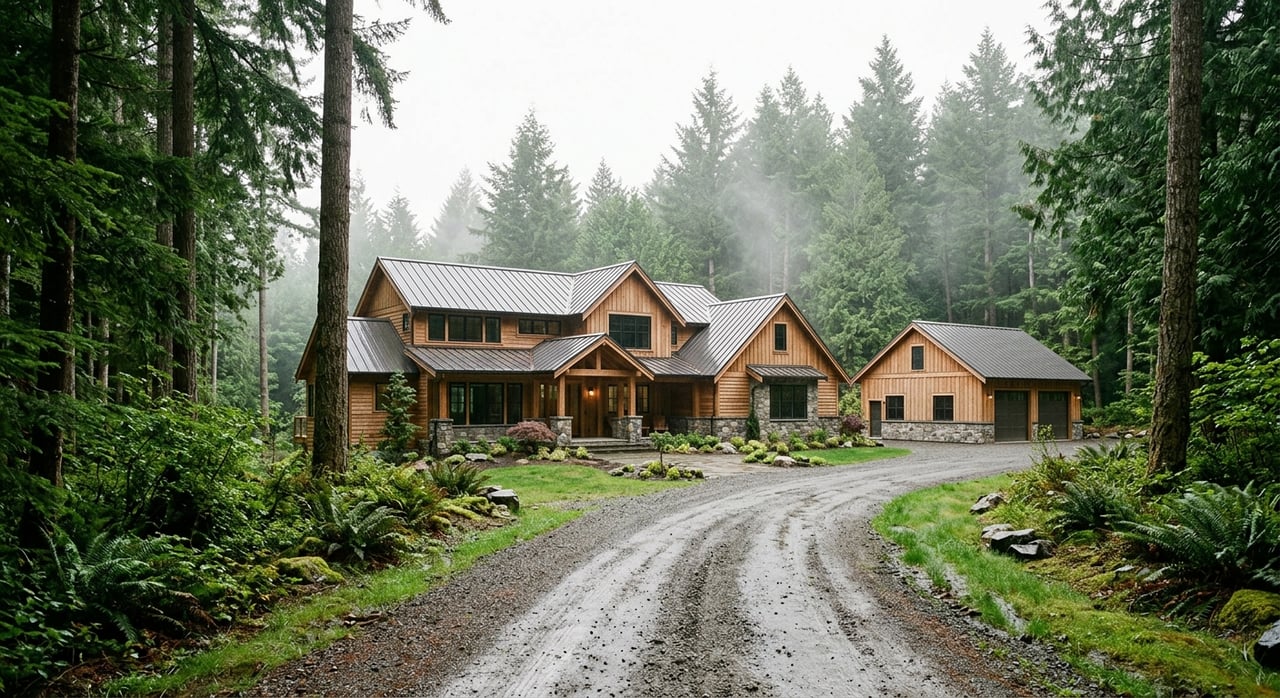
Dreaming about more space in Ravensdale? Acreage can absolutely deliver room to spread out, but daily life looks different than it does in a typical suburban neighborhood. If you are thinking about buying or selling land-based property here, it helps to understand the tradeoffs, the practical responsibilities, and what “usable land” really means. Let’s dive in.
Ravensdale Acreage Feels Rural
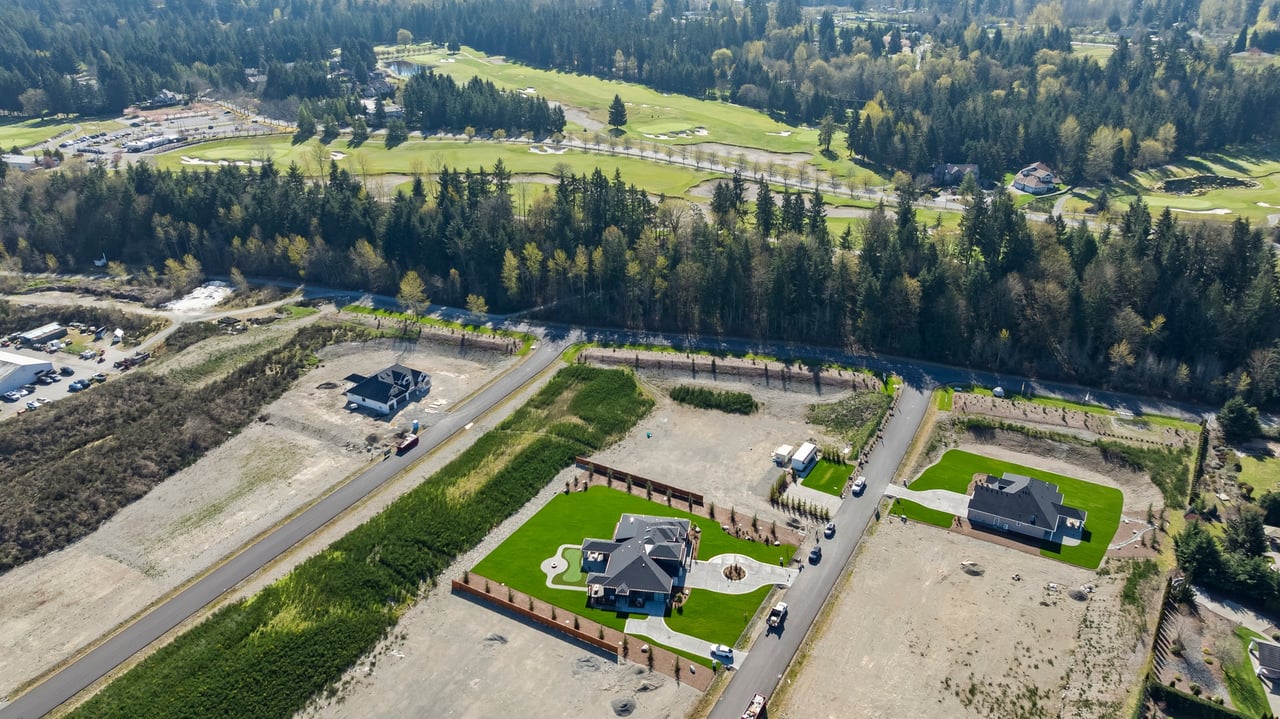
Ravensdale sits in a rural, low-density part of southeast King County where many properties are larger, more varied, and less uniformly developed than homes in a standard subdivision. King County’s area report for the Enumclaw Plateau describes a broad rural landscape with lower-density zoning, including RA-5, RA-10, A-10, and A-35.
In practical terms, that usually means more separation between homes and a stronger sense of open space. It also means one property can look and function very differently from the next, even if the lot sizes seem similar on paper.
Acreage Does Not Always Mean Usable Open Land
One of the biggest surprises for buyers is that total acreage and usable acreage are not always the same thing. King County notes that this area includes foothill terrain, streams, small lakes and ponds, plus parcels affected by wetlands, erosion hazards, and topography.
So when you see a five-acre or ten-acre listing, it is smart to ask how much of that land is actually practical for everyday use. A parcel may offer privacy and natural beauty, but the parts that can support a shop, barn, garden, or expanded yard may be smaller than the total number suggests.
Why Two Similar Parcels Can Feel Different
King County’s planning and zoning guidance makes an important point: development options need to be confirmed parcel by parcel. The county’s comprehensive planning framework guides where homes can be built, how rural services are provided, and how rural and resource lands are protected.
That is why two Ravensdale properties with similar acreage can have very different possibilities. Slope, access, wetlands, water service, septic conditions, and zoning details can all shape how a property works in real life.
Many Properties Support More Than One Use
Ravensdale acreage is not just about having a big lawn. King County’s assessor report says the area supports horse farms, dairies, and leisure farms, and notes that many properties include numerous accessory features on site.
That helps explain why acreage living often appeals to buyers who want flexibility. Depending on the specific parcel and approvals, a property may be set up for a mix of residential living, hobbies, animals, storage, or agricultural use.
Space for Outbuildings and Work Areas
Acreage buyers are often looking for more than a house. They may want room for detached garages, shops, barns, equipment storage, or other auxiliary structures that support how they live on the property.
That kind of flexibility is part of the appeal in Ravensdale. At the same time, it is important not to assume every parcel can support every plan without additional review.
Light Agricultural Living Is Part of the Area
King County’s farmland preservation materials show that county farm properties can include dairies, beef, horse and other animal operations, along with crops such as hay, berries, silage, nurseries, turf farms, and Christmas trees. That broader context helps paint a clear picture of the Ravensdale area.
This is a place where residential acreage and light agricultural activity can exist side by side. If you want land that supports a rural lifestyle, Ravensdale can be a strong fit, but the details matter.
Utilities Work Differently on Acreage
For many buyers, the biggest adjustment is not the house or the land. It is the utilities. King County’s assessor report says there are no public sewers available in the area, and that most improved properties get water from private sources such as wells or gravity systems from springs, though some small community water districts do serve certain properties.
That means acreage living in Ravensdale often comes with more self-managed systems than you would expect in a suburban neighborhood. If you are used to city utilities, this is one of the biggest day-to-day differences.
Private Wells Need Ongoing Attention
In unincorporated King County, new private well projects go through county permitting and Environmental Health review, including checks for service-area availability and critical-area issues. That adds an extra layer of due diligence when you are evaluating land or future improvement plans.
Washington State Department of Health also says private well owners are responsible for testing their own water. The agency recommends annual testing for coliform bacteria and nitrate.
Septic Systems Affect Future Plans
Septic is another major part of acreage living. King County Public Health’s septic and private-water checklist shows that changes such as ADUs, garages, shops, added bedrooms, swimming pools, and even house or outbuilding location changes can trigger review when a property uses septic or private water.
That matters because buyers sometimes focus first on the land and the house, then think about changes later. On acreage, future plans often need to be checked early, not after closing.
Daily Life Is Usually Car-Based
Ravensdale offers quiet surroundings, but it is not urban living. WSDOT describes SR 169 as a north-south corridor connecting rural communities in southeast King County, carrying commuter, commercial, freight, and recreation traffic.
WSDOT also notes congestion near Maple Valley and says transit service along the corridor is infrequent enough to limit transit mode share. For most homeowners, that means daily life is generally vehicle-first.
Commuting Takes Real Planning
One of the real tradeoffs with acreage is that home can feel peaceful and separate from busier areas, while errands and work trips still depend on highway travel. WSDOT notes the corridor also provides park-and-ride access and functions as a commuter route to employment centers farther north.
King County Metro Route 168 connects Maple Valley, Timberlane, and Kent Station, which gives some nearby transit access. Still, this is not the kind of frequent, dense transit network you would find in more urban parts of the region.
The Real Tradeoff of Ravensdale Acreage
The appeal is easy to understand. You get more room, lower density, and more freedom to shape your property around the way you want to live. For some buyers, that means animals, equipment space, hobbies, or simply more breathing room.
The tradeoff is responsibility. Before assuming a parcel can support a barn, shop, ADU, extra bedroom, or other expansion, it is wise to look closely at water source, septic capacity, access, grading, topography, and critical-area constraints.
What Buyers Should Check First
If you are considering acreage in Ravensdale, start with the basics before you fall in love with the idea of the land. A careful review early on can save time and help you focus on properties that truly fit your goals.
A few key items to review include:
- Zoning and allowed uses
- Access and road conditions
- Water source, whether well, spring, or district service
- Septic system status and capacity
- Wetlands, slopes, and other critical-area conditions
- How much of the site is realistically usable
- Whether your future plans may require county or public health review
What Sellers Should Understand
If you are selling acreage in Ravensdale, clear information helps buyers feel confident. Buyers are often excited by the space, but they also have practical questions that do not come up as often with a standard neighborhood home.
Good preparation can make a real difference. Details about water, septic, access, outbuildings, and how the property is used can help set expectations and support smoother conversations once your home hits the market.
Rural Properties Need Clear Positioning
Acreage homes are rarely one-size-fits-all. Some buyers are looking for privacy, some want room for equipment or hobbies, and others are focused on the home first and the land second.
That is where thoughtful pricing, presentation, and clear communication matter. When a property’s strengths and limitations are explained well, buyers can better understand what makes it valuable and whether it fits their plans.
Why Local Guidance Matters
Ravensdale acreage can be incredibly rewarding, but it is not a plug-and-play version of suburban living. The mix of rural zoning, varied terrain, private utilities, and parcel-specific development limits means local knowledge matters at every step.
If you are buying, you want clear answers before you commit. If you are selling, you want a strategy that presents the property accurately and helps buyers understand the opportunity.
When you are ready to talk through acreage living, land questions, or how to position a rural property for sale, connect with Joe Perkins for calm, local guidance.
FAQs
What does acreage living in Ravensdale usually mean?
- It usually means a rural, lower-density setting with more space between homes, but also more responsibility for things like water, septic, access, and parcel-specific land conditions.
Is all acreage in Ravensdale fully usable?
- No. King County notes that parcels in the area may include slopes, streams, wetlands, ponds, erosion hazards, and other topographic limits that can reduce how much land is practical to use.
Do Ravensdale acreage homes usually have public sewer?
- No. King County’s area report says public sewers are not available in the area, so properties typically rely on septic systems.
How does water service work on Ravensdale acreage?
- Many improved properties use private water sources such as wells or gravity systems from springs, though some are served by small community water districts.
Can you easily add a shop, garage, or ADU on Ravensdale acreage?
- Not always. King County Public Health says properties using septic or private water may need review for changes such as garages, shops, ADUs, added bedrooms, pools, or structure location changes.
Is Ravensdale acreage living commuter-friendly?
- It can work well for buyers who expect to drive, but WSDOT says SR 169 handles commuter traffic and can see congestion near Maple Valley, so daily travel usually requires planning.
Why do two Ravensdale parcels with the same size feel so different?
- Because parcel-by-parcel factors like zoning, slope, wetlands, access, water service, and septic conditions can all affect how a property functions and what future changes may be possible.