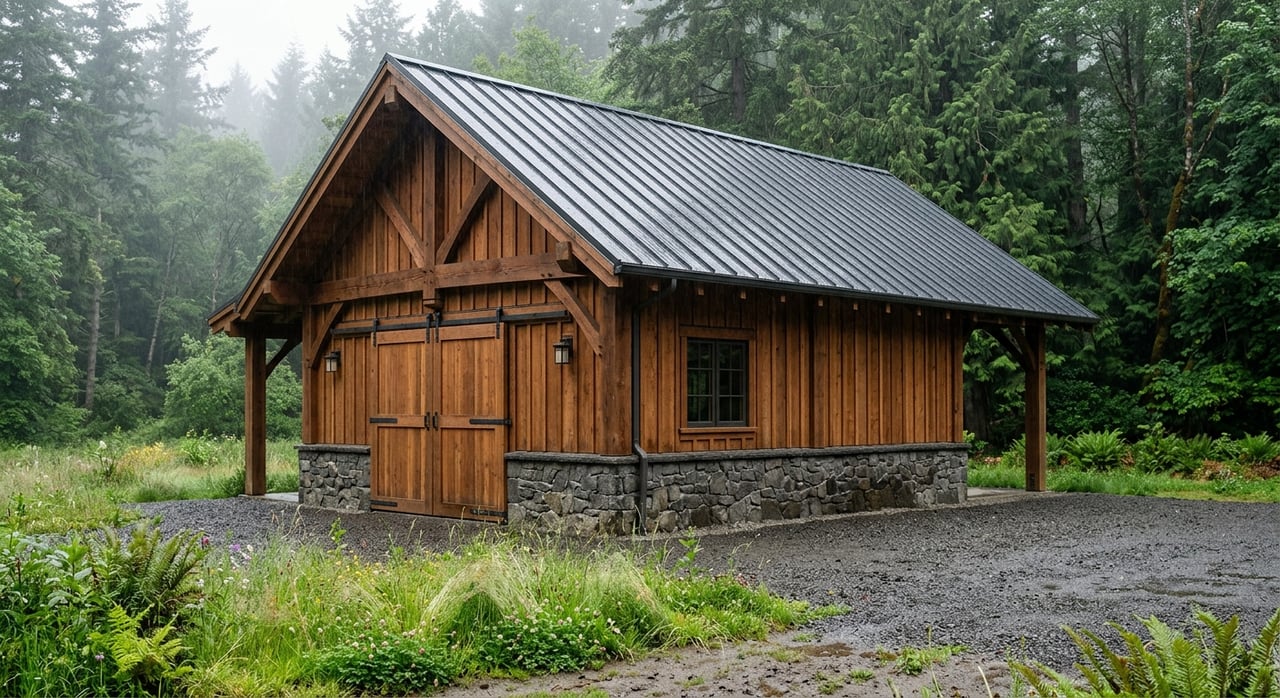
If you are selling rural property around Enumclaw, you are not just putting a house on the market. You are presenting a mix of land, systems, access, and lifestyle that buyers need to understand clearly. That can feel like a lot to organize, but it also creates an opportunity to stand out when your property is prepared and marketed well. Here is how to sell with more confidence and help buyers see the full value of what you own.
Why rural Enumclaw sales work differently
The Enumclaw Plateau is not a typical suburban setting. According to King County, this area includes acreage lots, large vacant tracts, horse farms, dairies, and many properties with wells, septic systems, or limited sewer access. Environmental features like wetlands, streams, erosion hazards, slopes, and view amenities also shape how land is used and valued.
That means buyers often evaluate more than bedrooms, finishes, and square footage. They may care just as much about zoning, road access, usable pasture, outbuildings, water source, and how the parcel functions day to day. In many cases, the property story is about the land as much as the home.
King County zoning in unincorporated areas around Enumclaw includes rural and agricultural categories such as RA-5, RA-10, A-10, and A-35. The local community plan also ties agricultural production district land to larger-lot livestock uses, including dairy cows, beef cattle, and horses. For sellers, that is an important reminder: your buyer may be shopping for capability, not just curb appeal.
Market the property buyers are actually buying
A rural listing near Enumclaw often attracts buyers looking for a specific use. Some may want horse facilities, some may want a hobby farm setup, and others may want privacy, views, storage, or room for equipment and projects. A strong sale starts by identifying what your property offers in practical terms.
Instead of focusing only on total acreage, highlight usable land. Buyers may respond more strongly to fenced pasture, turnout areas, barn layout, driveway access, irrigation, storage, shop space, or the relationship between the house and the land. A parcel with constraints can still be compelling, but buyers need a clear picture of what is functional and what is not.
This matters because King County assessor guidance points to value drivers such as lot size, zoning, building potential, access, topography, utilities, views, and sensitive areas. In other words, buyers are not simply asking, “How big is it?” They are asking, “How does it work?”
Start with pre-listing documentation
Confidence comes from preparation. Before your home hits the market, gather the records that help a buyer understand the property without guessing. In a rural sale, good documentation can reduce confusion and support smoother decision-making.
A practical listing file may include:
- Parcel size and basic property details
- Zoning information
- Known easements or access details
- Well information and recent water testing records
- Septic system type and inspection records
- Permits for outbuildings, if available
- Information on irrigation, fencing, or private road arrangements
- Any known development conditions or land-use limitations
King County property research tools can help confirm parcel reports, aerial imagery, zoning, district boundaries, contour lines, recorded documents, and development-condition records. Having these details ready helps your listing feel well managed from the start.
Understand Washington disclosure requirements
Washington sellers of residential property are required to provide a disclosure statement based on actual knowledge. That form includes questions about issues such as title, easements, encroachments, private roads, and limits on access. Around Enumclaw, those topics are often especially relevant because acreage properties may involve shared drives, utility easements, or land features that affect use.
Washington law also requires notice that residential property may be located near a farm or working forest. In the Enumclaw area, where preserved farmland and active rural land uses are part of the local landscape, this is a normal part of the transaction. It helps set expectations for buyers who may be new to rural living.
The key is to be accurate and organized. Clear disclosures do not weaken a sale. In many cases, they build trust and reduce surprises later.
Check your well and septic before listing
For many rural sellers, the well and septic system deserve attention early in the process. These are not minor side notes. They are part of how the property functions, and buyers often want reassurance that they have been maintained.
Washington Department of Health guidance recommends that private well owners test drinking water every year for coliform bacteria and nitrate, and test for arsenic at least twice during ownership. For septic systems, gravity systems should be inspected at least once every three years, while other systems should be inspected at least annually.
If your records are current, that can help support buyer confidence. If maintenance is overdue, addressing it before listing may help you avoid delays once a buyer starts due diligence. The Department of Health also notes that a malfunctioning septic system can lower property value and create legal liability, so this is an area worth taking seriously.
Show the land visually
Rural buyers often begin their search online, and visuals do a lot of the early work. National Association of Realtors research says more than 90% of buyers search online, and 85% say photos are the most important factor in deciding which homes to view. For acreage property, that first impression needs to explain more than the front door.
Photo strategy matters. A smart sequence often shows the approach to the property, overall parcel context, the home exterior, outbuildings, pasture or open areas, fencing, and any view assets. The goal is to help buyers understand the property as a whole, not just admire a few attractive rooms.
Aerial imagery and virtual tours can be especially helpful for rural listings because they show how structures sit on the land and how the parcel is shaped. Floor plans also help buyers connect the house layout to their intended use of the property. When visuals answer practical questions early, showings tend to be more productive.
If drone footage is part of the media plan, it should be handled in compliance with FAA rules. That includes registration and Remote ID requirements where applicable, and commercial operations generally require a Remote Pilot Certificate under Part 107. Good marketing should still be careful marketing.
Explain access, utilities, and constraints clearly
One reason rural sales feel more complex is that buyers are often comparing multiple possible uses at once. They may be thinking about horses, equipment storage, hobby farming, home business space, or multi-use living. That means they need straightforward information about the property’s operating realities.
Your listing should explain:
- How the property is accessed
- Whether roads are public or private
- What type of water source serves the property
- What type of septic system is in place
- Where outbuildings sit on the parcel
- Whether there are easements or encroachments
- Whether there are wetlands, streams, steep slopes, or other sensitive areas
King County notes that proposals near wetlands, streams, lakes, steep slopes, and other sensitive areas may require additional information. Even if a buyer has no immediate development plans, known constraints still affect how they see the property’s flexibility and value. The clearer you are, the stronger your position tends to be.
Price the full package, not just the house
Pricing rural property around Enumclaw is rarely as simple as comparing interior finishes with nearby homes. Two properties with similar square footage can perform very differently if one has better access, more usable land, stronger views, better outbuildings, or fewer constraints.
This is where local market knowledge matters. Rural buyers often look at the complete package, including zoning, utility setup, privacy, storage, and how easily the land supports their intended use. A good pricing strategy should reflect what the property can actually deliver in everyday ownership.
It also helps to think beyond broad acreage numbers. Ten acres are not always equal to ten acres if portions are steep, wet, restricted, or difficult to access. Buyers tend to reward clarity and realism, especially in a market where land details can change the value story quickly.
Preparation builds trust
The strongest rural listings usually feel consistent from start to finish. The photos support the facts, the facts support the price, and the paperwork supports the marketing story. That kind of alignment gives buyers more confidence and helps your property stand out for the right reasons.
This is one area where a full-service approach can make a real difference. Selling acreage often involves more than listing prep and negotiation. It can include staging guidance, system documentation, marketing coordination, and steady communication through a more detailed transaction.
When you are ready to position your Enumclaw-area property with clear strategy and careful execution, Joe Perkins can help you prepare, market, and manage the sale with confidence.
FAQs
What makes selling rural property around Enumclaw different from selling a suburban home?
- Rural property sales often involve extra layers such as zoning, wells, septic systems, easements, access, outbuildings, and usable land, so buyers need more detail to understand the full value.
What documents should you gather before listing rural property in Enumclaw?
- It helps to gather zoning details, well records, water test results, septic records, easement information, access details, permit records for outbuildings, and any known development or land-use conditions.
Why do well and septic records matter when selling acreage near Enumclaw?
- Buyers often want proof that core property systems have been maintained, and current records can reduce uncertainty during due diligence.
How should you market horse or hobby farm property in the Enumclaw area?
- Focus on practical features such as fenced pasture, barn or shop function, turnout space, storage, access, and how the land supports daily use, rather than relying on acreage alone.
What should buyers know about farmland and rural land uses near Enumclaw?
- Washington requires notice that residential property may be near a farm or working forest, which is a relevant part of the local setting in and around the Enumclaw Plateau.
Why are aerial photos useful for Enumclaw rural listings?
- Aerial visuals can help buyers see parcel shape, structure placement, access routes, open land, and overall property layout more clearly than standard photos alone.