What King County Homeowners Need to Know About Home Insurance After Storm Damage
Home insurance after storm damage in Washington is one of the first things King County homeowners start searching for once the wind dies down and the rain finally stops. When storms cause flooding, fallen trees, power outages, or structural damage, it can feel overwhelming to know what to do next.
Severe windstorms and flooding have impacted thousands of homes across Washington, and King County communities are no exception. If your home was affected, you are not alone, and there are clear steps you can take to protect yourself, your family, and your financial future.
This guide was created to help homeowners understand how insurance works after storm damage, what mistakes to avoid, and how storm-related damage can affect homes and recovery decisions across King County.
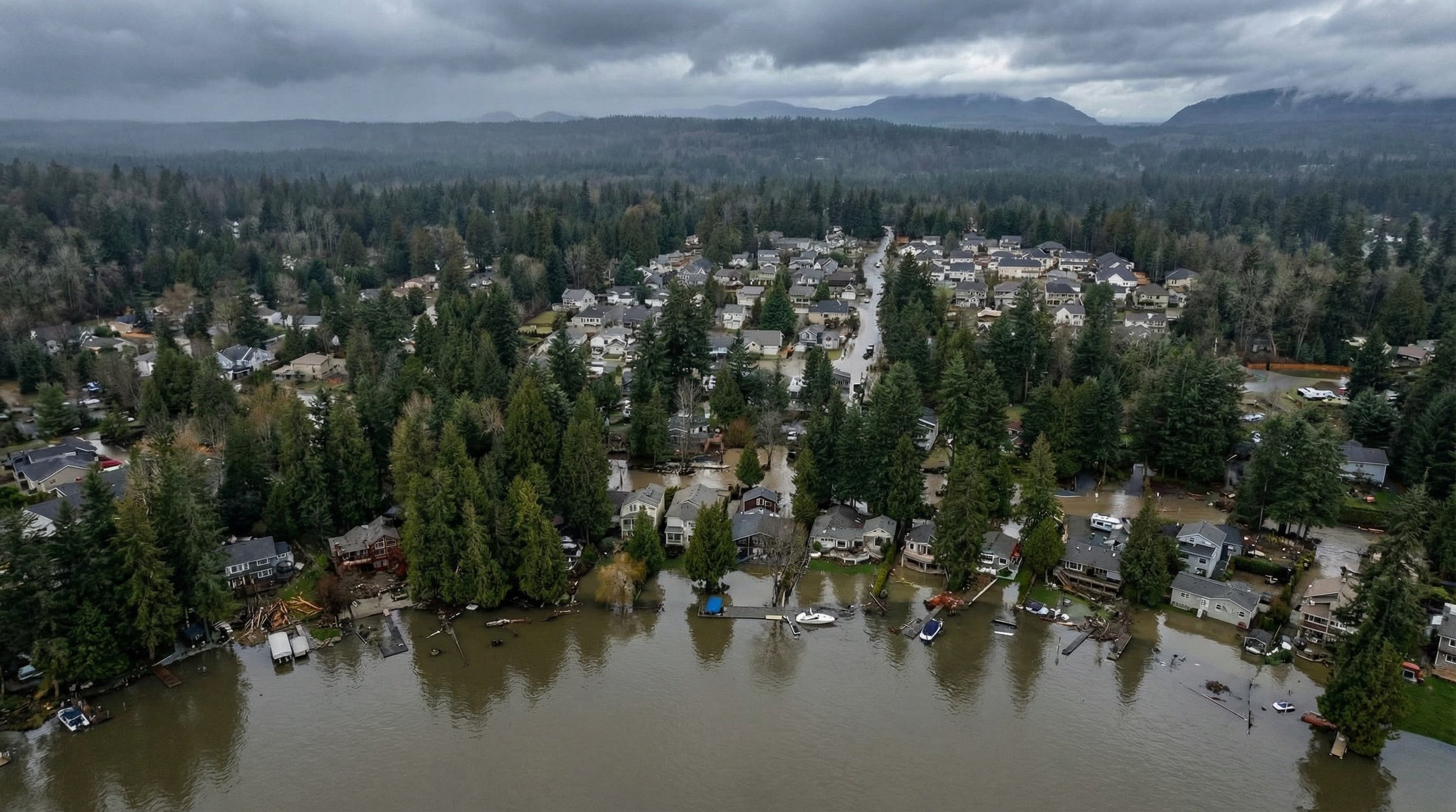
What should you do first after storm damage to your home in King County?
The first thing you should do after storm damage is make sure your home is safe and prevent further damage. Insurance companies expect homeowners to take reasonable steps to protect the property, even before an adjuster arrives.
Start by checking for immediate hazards such as downed power lines, gas smells, or unstable structures. If the home is unsafe, leave and contact emergency services. Once it is safe, document everything.
Take photos and videos of all visible damage, including exterior issues like roof shingles, siding, fences, fallen trees, and flooding. Inside the home, capture water intrusion, ceiling stains, damaged flooring, and personal property. According to the Washington State Office of the Insurance Commissioner, documentation is one of the most important parts of a successful homeowners insurance claim.
Does homeowners insurance cover wind and storm damage in Washington?
Most homeowners insurance policies in Washington cover wind damage, including damage from strong gusts, fallen trees, and wind-driven rain. However, coverage depends on the source of the damage and the specific policy language.
Wind damage to roofs, siding, windows, and detached structures is commonly covered. Damage caused by flooding, rising water, or river overflow is typically not covered under standard homeowners insurance and instead requires a separate flood insurance policy. FEMA clearly states that flood damage is excluded from most standard policies.
Many homeowners are surprised to learn this distinction after a major storm. Wind may damage a roof, allowing rain inside, which is often covered. Floodwater entering from the ground up usually is not.
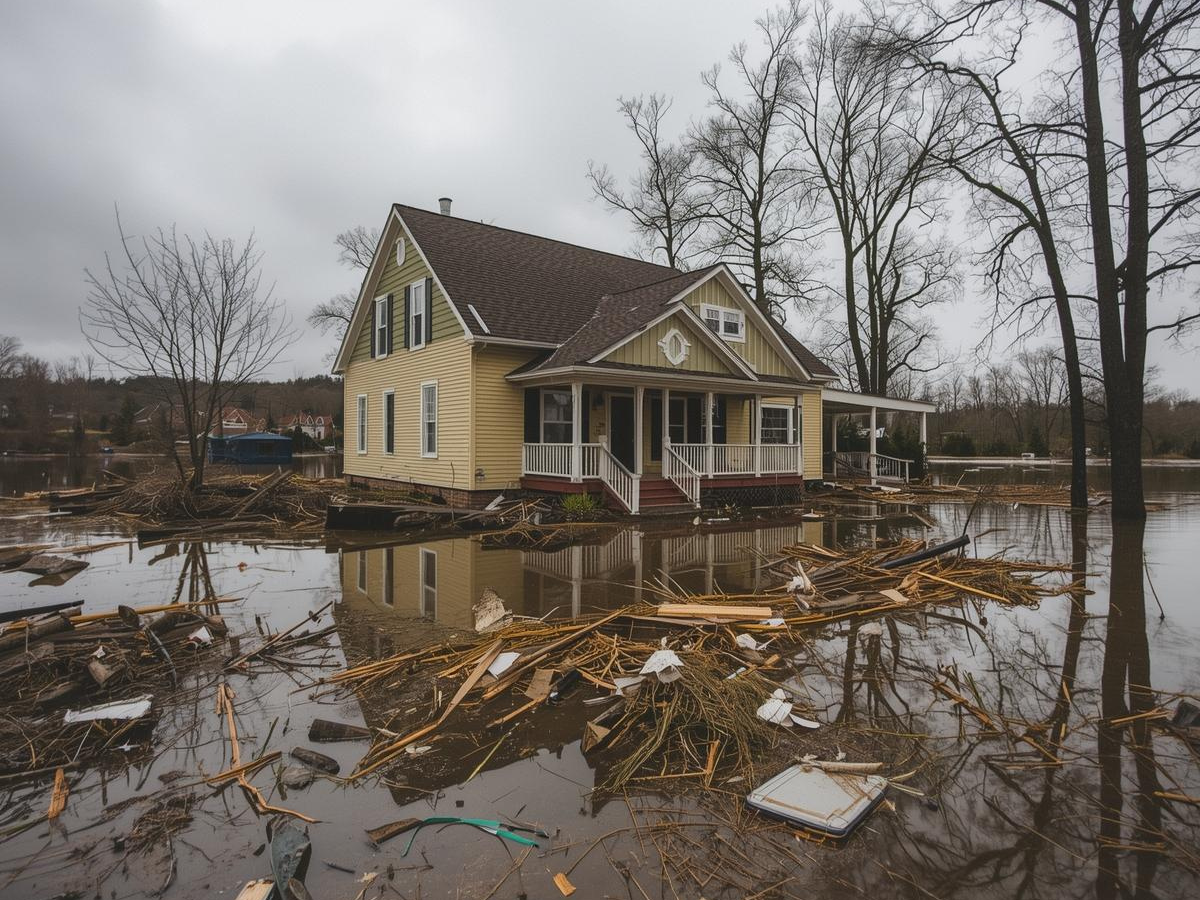
How do insurance claims work after major windstorms in Washington State?
Insurance claims after major windstorms typically follow a predictable process, even though timelines may slow during widespread disasters.
You will start by contacting your insurance company as soon as possible to open a claim. An adjuster is then assigned to inspect the damage, either in person or remotely. Because King County storms often affect thousands of homes at once, inspections may take longer than usual.
The National Weather Service frequently advises residents to expect delays after large-scale storm events due to volume and access issues. Staying organized, responding quickly to requests, and keeping records of every conversation can help keep your claim moving forward.
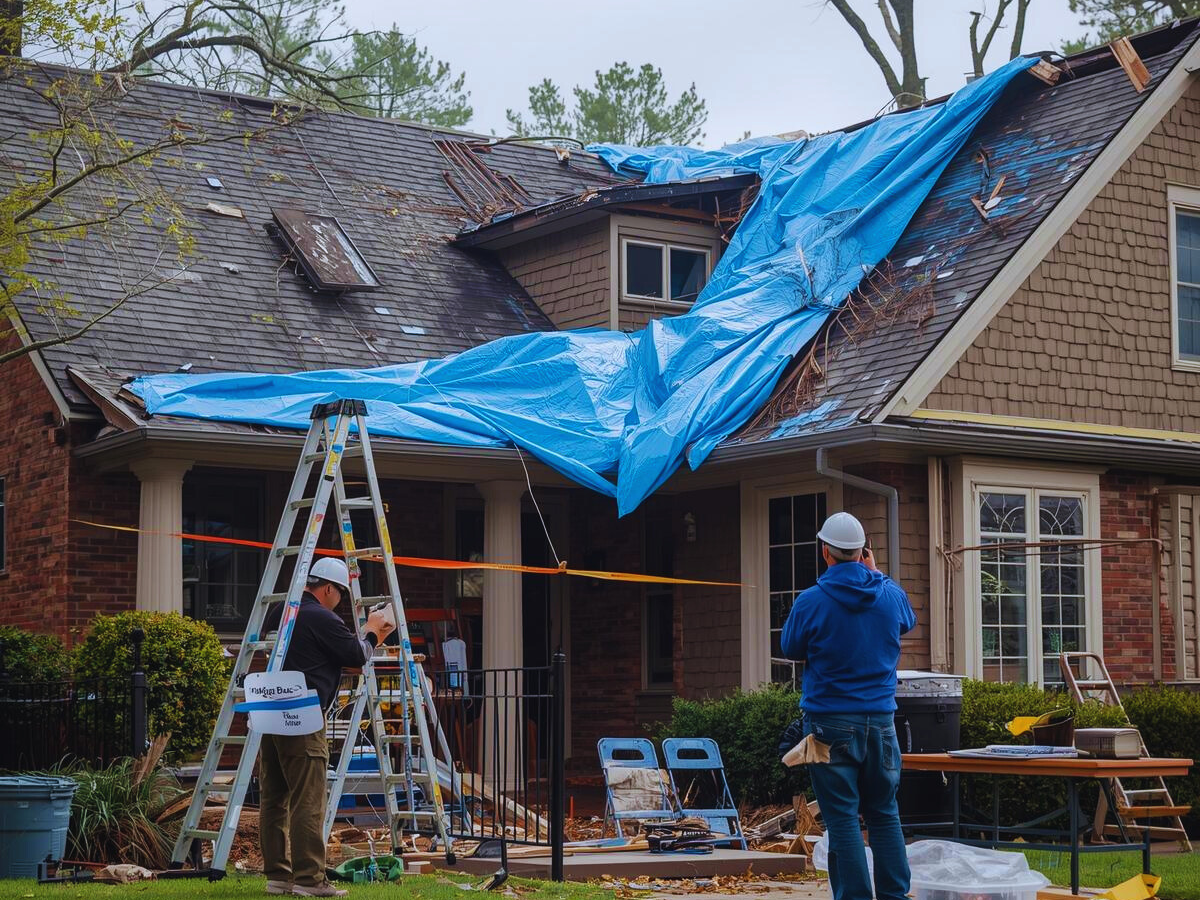
What storm damage is commonly denied by insurance companies?
Some storm-related damage is denied not because homeowners did something wrong, but because of policy exclusions. The most common denied claims involve flooding, earth movement, and long-term maintenance issues.
If an insurer determines damage was caused by wear and tear, poor maintenance, or gradual leaks rather than the storm itself, coverage may be denied. Landslides and mudflows, which can occur after heavy rain in parts of King County, are often excluded unless additional coverage is in place.
This is where documentation and timing matter. The closer you report damage to the storm event, the stronger your claim usually is.
How long do storm damage insurance claims take in Washington?
Storm damage insurance claims in Washington can take anywhere from a few weeks to several months, depending on severity and claim volume. Large regional storms almost always extend timelines.
According to the Washington State Office of Emergency Management, damage assessments cannot fully begin until conditions stabilize, which delays insurance inspections and repairs.
Patience is difficult during this time, especially if you are displaced. Keep copies of temporary housing receipts and additional living expenses, as these are often reimbursable under many policies.

Should you make repairs before filing an insurance claim?
You should not make permanent repairs before filing an insurance claim unless it is necessary to prevent further damage. Temporary repairs, such as tarping a roof or boarding broken windows, are usually encouraged.
Always save receipts and take photos before and after temporary repairs. Making major changes too early can complicate or reduce your claim payout.
Most insurance providers recommend waiting for adjuster approval before permanent work begins, unless safety is at risk.
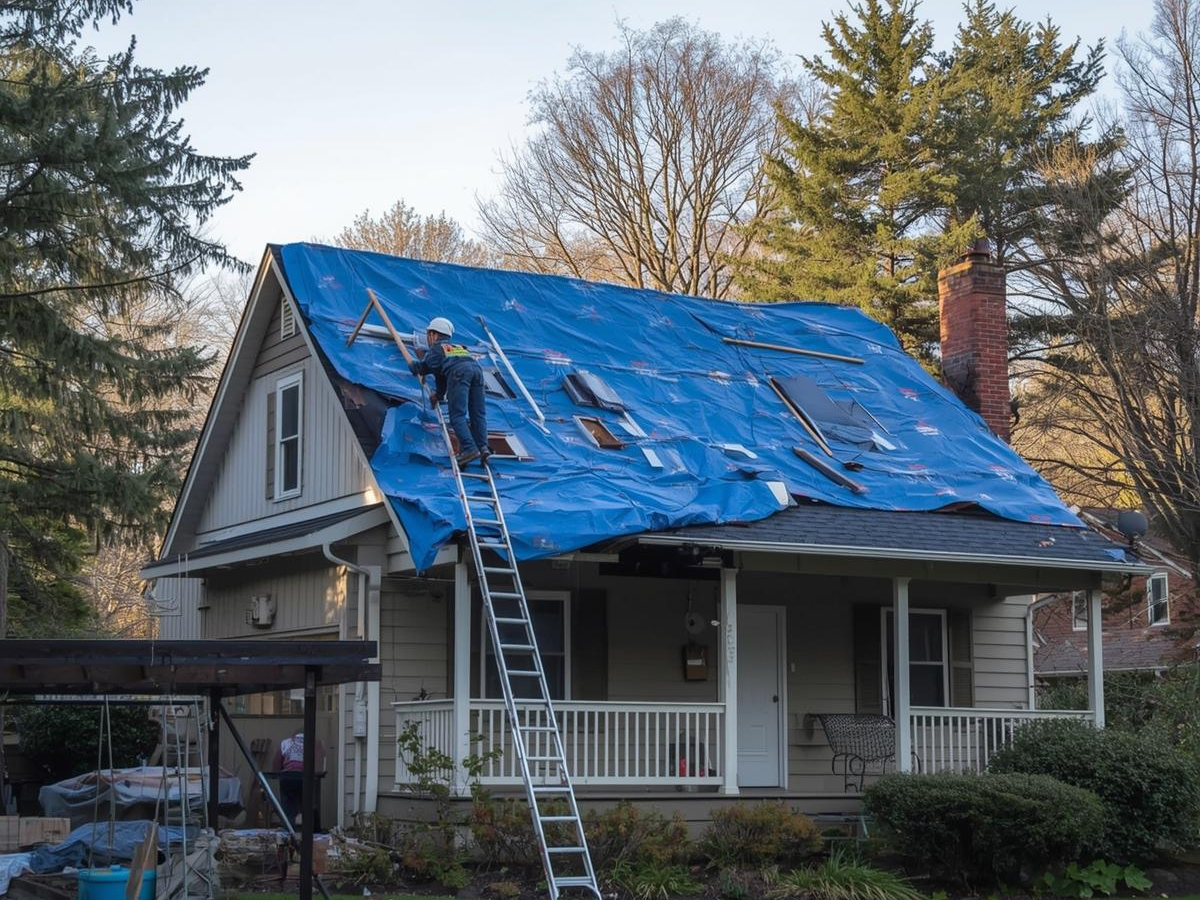
How does storm damage impact your home’s safety and long-term condition?
Storm damage does not only affect appearance, it can compromise your home’s structure, indoor air quality, and long-term durability. Water intrusion can lead to mold growth, insulation failure, and wood rot if not addressed quickly.
According to the Environmental Protection Agency, mold can begin growing within 24 to 48 hours after water exposure, making early mitigation critical for occupant health. The Washington State Department of Health also emphasizes prompt drying and cleanup after flooding or leaks to reduce respiratory risks.
Addressing storm damage early helps protect your home’s value, safety, and livability, even if you plan to stay long-term.
What temporary assistance is available if your home is not livable?
If storm damage makes your home unsafe, temporary housing and essential assistance may be available while insurance claims are processed. Many homeowners insurance policies include additional living expenses coverage, which can help pay for hotels, rentals, and meals.
King County Emergency Management works alongside Washington State and FEMA to coordinate sheltering and recovery assistance during severe storms. FEMA disaster assistance may also be available when federal declarations are issued.
Keep all receipts and documentation related to displacement, as insurers and assistance programs often require proof of expenses.
What help is available locally for displaced homeowners in King County?
King County offers emergency assistance, shelter coordination, and recovery resources for displaced residents. County emergency management agencies often partner with state and federal programs to provide short-term relief.
King County Emergency Management regularly updates available resources during storm events. These programs can help cover temporary housing, food, and essential needs while insurance claims are processed.
How can a local real estate professional help after storm damage?
A local real estate professional can help homeowners understand how storm damage and insurance claims impact property value, timing, and disclosure requirements.
Even if you are not planning to sell immediately, having a clear picture of your home’s condition and options can reduce stress and prevent costly mistakes later. Local knowledge matters in King County, especially when storms affect entire neighborhoods differently.
Conclusion
Storm damage can turn daily life upside down, but understanding home insurance after storm damage in Washington helps King County homeowners regain control faster. By documenting damage, knowing your coverage, and understanding how insurance and real estate timelines intersect, you can make informed decisions during a difficult time.
If there are questions about how storm damage affects a home’s condition, safety, or next steps, guidance from local professionals can make the process feel far less overwhelming.
Need guidance after storm damage?
Our team is here to help King County homeowners understand insurance steps, recovery timelines, and what to do next. Reach out for clear, local support when it’s needed most.
📧 clientcare@perkinsnwre.com | 🌐 www.perkinsnwre.com |📱 (206) 960-4985
Honest. Effective. Reliable.
Frequently Asked Questions
Q: Do I need to report storm damage even if it seems minor?
Yes. Small issues can become larger problems over time, and delayed reporting can weaken an insurance claim.
Q: Will filing an insurance claim increase my premiums in Washington?
Not always. Claims tied to widespread natural disasters are less likely to impact individual premiums than isolated claims.
Q: What if my insurance payout is less than the repair cost?
You may be able to dispute the estimate, request a second inspection, or cover the difference out of pocket depending on the situation.
Q: Can I live in my home during storm repairs?
It depends on the extent of the damage. If the home is unsafe, additional living expenses coverage may apply.
Q: What happens if storm damage is discovered during a home inspection?
It must be disclosed and may lead to renegotiation, repairs, or credits depending on buyer and seller agreements.
Sources
https://www.insurance.wa.gov/insurance-resources/home-insurance
https://www.fema.gov/assistance/individual
https://www.disasterassistance.gov
https://www.weather.gov
https://www.weather.gov/sew
https://www.epa.gov/mold
https://doh.wa.gov/community-and-environment/contaminants/mold
https://www.ready.gov/floods
https://www.ready.gov/wind
https://www.kingcounty.gov/depts/emergency-management.aspx
https://mil.wa.gov/emergency-management-division
https://www.consumerfinance.gov/ask-cfpb/
https://www.iii.org/article/filing-insurance-claim-after-disaster
https://www.nws.noaa.gov