As the year winds down, many King County homeowners are asking the same question: Is the local housing market finally cooling, or is it still holding steady despite higher interest rates and economic uncertainty?
The short answer is that the market shows signs of cooling compared to the peak years, but it continues to demonstrate underlying strength, especially when viewed in a broader regional and national context. Below is a data-driven, year-end breakdown using local, regional, and national sources to help make sense of what is really happening.
A Snapshot of the King County Housing Market
Recent data from Redfin’s King County housing market reports shows that median home prices have flattened compared to previous years, while days on market have increased modestly. According to Redfin’s county-level data, homes are generally taking longer to sell than during the ultra-competitive period of 2021 through 2022, but prices have remained relatively resilient.
Zillow’s Home Value Index for King County reflects a similar trend, showing slower year-over-year growth rather than a sharp decline. At the same time, housing inventory has increased from historic lows. Federal Reserve Economic Data, tracking active listings in the Seattle-Tacoma-Bellevue metro area, shows more homes available than in recent winters.
Sales Activity and Buyer Demand
Sales activity has cooled from its peak, but demand has not disappeared. Realtor.com’s King County market overview notes fewer bidding wars and more balanced negotiations compared to prior years. Local market commentary summarized by NAR and regional analysts suggests that buyers are more selective, largely due to affordability concerns tied to mortgage rates.
Even so, homes that are well-maintained and accurately priced are still attracting attention, especially in areas with strong employment access and established infrastructure.
What Are the Main Signs of Cooling in King County?
Several indicators point toward a cooler market than the peak years:
-
Higher average days on market reported by Redfin
-
Reduced sale-to-list price ratios compared to peak conditions, tracked by Zillow Research
-
More housing inventory than the market saw during the tightest years of supply
These shifts suggest that sellers may need to be more strategic than they did a few years ago.
What Is Keeping the King County Market Stable?
At the same time, there are notable signs of stability:
-
Limited long-term housing supply relative to population growth in the Seattle region, as outlined by the Washington State Office of Financial Management
-
Continued employment strength in the broader Seattle metro area, reported by the U.S. Bureau of Labor Statistics
-
Ongoing buyer demand for well-located, move-in-ready homes
These factors help explain why prices have softened in pace but have not collapsed.
How Do Seasonal Trends Affect Year-End Housing Data?
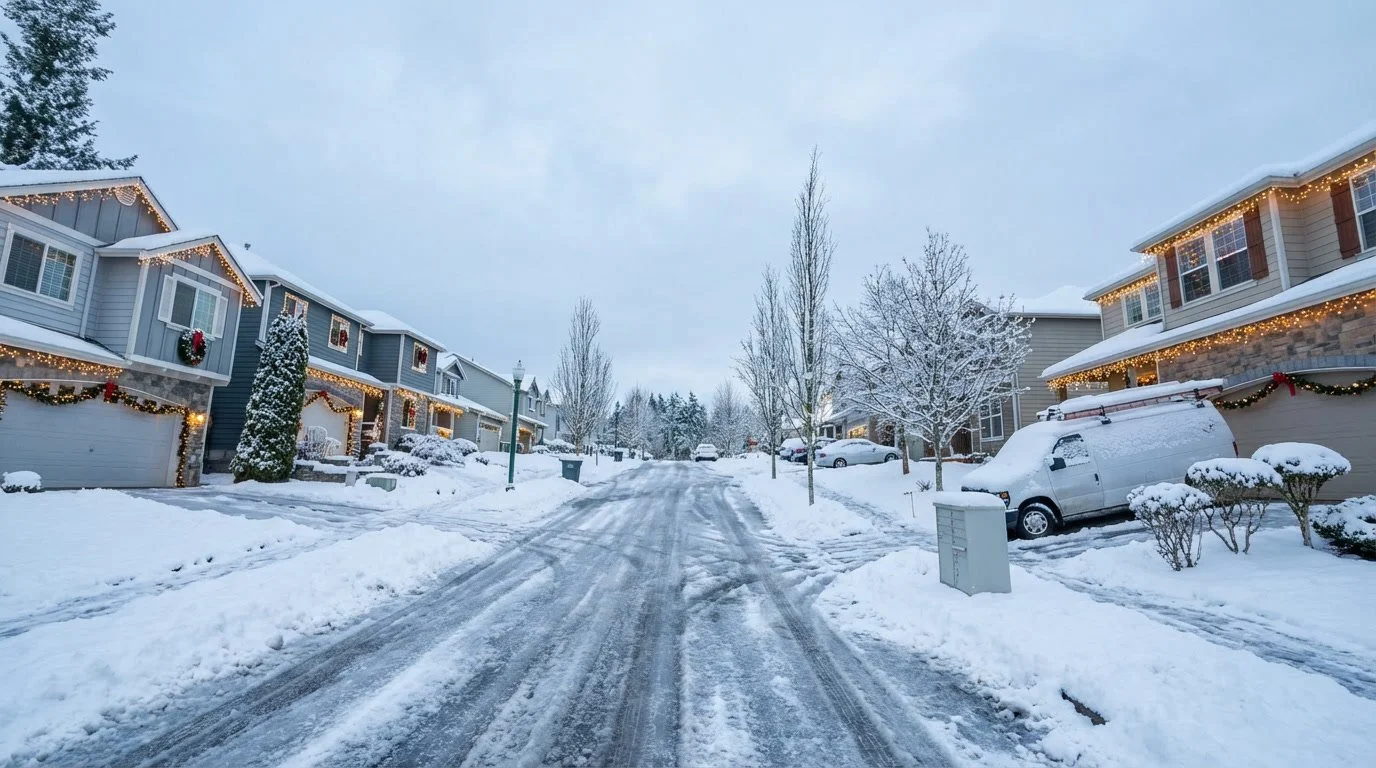
Seasonality plays a role every year. Housing activity typically slows in late fall and winter, a trend confirmed by long-term national data from the National Association of Realtors. Local reporting from Seattle-area housing analysts notes that year-end slowdowns often reflect timing rather than a fundamental shift in demand.
This seasonal pause can make the market appear softer than it actually is, especially when viewed without year-over-year context.
How Does King County Compare to the National Housing Market?
Looking beyond the region adds useful perspective. Nationally, U.S. home price growth has slowed, according to the Case-Shiller Home Price Index. Many metro areas across the country are seeing similar conditions: slower growth, more inventory, and more cautious buyers rather than steep declines.
Compared to many regions, King County continues to benefit from:
-
Constrained housing supply
-
Long-term population and employment drivers
-
Limited distressed inventory, as reported by ATTOM Data Solutions
What This Means Heading Into the New Year
Taken together, the data suggests that the King County housing market is cooler than recent highs but still fundamentally steady. The shift has brought more balance, less urgency, and clearer expectations for both homeowners and market observers.
Year-end data is best viewed as a transition point rather than a turning point. Broader economic factors, including interest rates tracked by the Federal Reserve, will continue to shape activity in the year ahead.
If you want to talk through how these broader trends compare across different parts of King County, we are always happy to share insight and help you interpret what the data means locally.
Client Care: [email protected]
Website: Perkinsnwre.com
Phone: (206) 960-4985
Honest. Effective. Reliable.
Frequently Asked Questions
Is the King County Housing Market Slowing Down?
Yes. Activity has slowed compared to peak years, but the data points to a gradual adjustment rather than a sharp downturn.
Are Home Prices in King County Dropping?
Prices have largely leveled off, with some variation by area, according to Redfin and Zillow data.
Is This Slowdown Unique to King County?
No. Similar patterns are happening nationwide, according to the National Association of Realtors and Case-Shiller data.
Does Seasonality Affect Year-end Market Data?
Yes. Winter months typically show lower activity, which can exaggerate the appearance of cooling.