A home inspection in King County, Washington helps buyers understand the true condition of a property before closing. In a market like King County and surrounding communities, where many homes are older and environmental conditions such as rainfall and tree coverage affect properties, inspections provide essential clarity before one of the largest financial decisions most people make.
Inspection week often feels intense for both buyers and sellers. But the process exists for a reason. It reveals facts about the home so buyers can move forward with confidence, renegotiate terms, or walk away if necessary. Understanding how inspections work locally helps buyers approach the process calmly and strategically.

Why Inspection Week Feels So Emotional
Inspection week changes the balance of information in a real estate transaction.
Under the NWMLS Inspection Addendum (Form 35), buyers typically have a defined period to evaluate the home and decide how to proceed. During this time buyers may walk away based on inspection results.
That reality creates two common emotions:
Buyers feel exposed.
Sellers feel vulnerable.
Inspection reports are detailed. Many reports include:
40 to 70 pages
75 to 100+ photos
3 to 4 hours of on site evaluation
Inspectors are trained to write conservatively. Phrases such as "recommend further evaluation" are common because inspectors must document potential risks.
According to the American Society of Home Inspectors, even newly constructed homes often contain issues discovered during inspection.
When buyers understand this context, the inspection report becomes less intimidating and more informative.
What Happens During a Home Inspection in King County?
A home inspection in King County typically takes three to four hours and evaluates major structural and mechanical systems.
Inspectors commonly evaluate:
Roof condition
Foundation and structure
Crawl space
Electrical systems
Plumbing systems
Heating systems
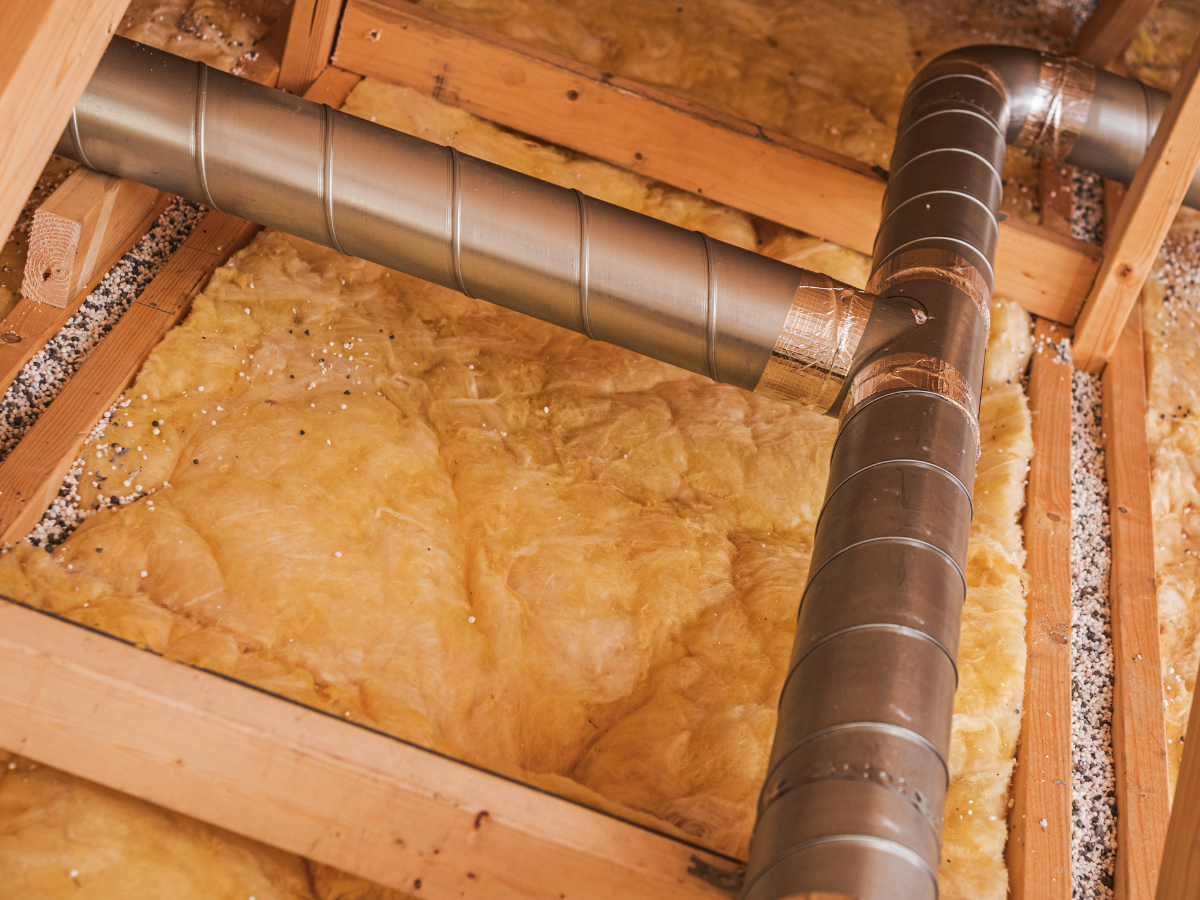
Attic ventilation
Windows and doors
Signs of moisture intrusion
Homes in neighborhoods like Ballard, West Seattle, Shoreline, Edmonds, and Lynnwood often range from 40 to more than 100 years old. Because of that age, findings are expected.
There has never been a perfectly clean inspection report. Not in Seattle. Not in Snohomish County. Not even on new construction homes.
Inspection reports create a maintenance punch list while also identifying true financial risks. Professional inspection standards are published by the International Association of Certified Home Inspectors (InterNACHI).
Understanding the 10 Day Inspection Timeline
In most King County purchase contracts, buyers receive about 10 days after mutual acceptance to complete inspections.
In competitive markets this timeline may be shortened to five to seven days.
During the contingency period buyers may:
Approve the inspection
Request additional specialist inspections
Negotiate repairs or credits
Terminate the contract
If the buyer does not respond before the deadline the contingency may be waived automatically.
Inspection week is structured rather than chaotic. Washington State outlines professional licensing standards for inspectors through the Washington State Department of Licensing.
The Four Possible Outcomes After Inspection
When buyers respond to inspection findings they typically use NWMLS Form 35R.
There are four possible outcomes.
1. Buyer Is Satisfied
The buyer accepts the inspection results and proceeds toward closing without requesting changes.
2. Request Additional Inspections
Buyers may request specialist inspections for systems such as:
Structural components
Electrical
Plumbing
Sewer lines
3. Buyer Terminates the Contract
If major issues are discovered buyers may terminate the transaction and receive their earnest money back.
4. Negotiation
This is the most common scenario.
Typical requests include:
Closing cost credits
Price reductions
Specific repairs
Many buyers prefer credits because it allows them to control repairs after closing.
Why Sewer Scopes Matter in Western Washington
Sewer scopes are particularly important in the Pacific Northwest. King County neighborhoods have mature trees and many older sewer systems. Tree roots commonly grow into clay sewer lines.
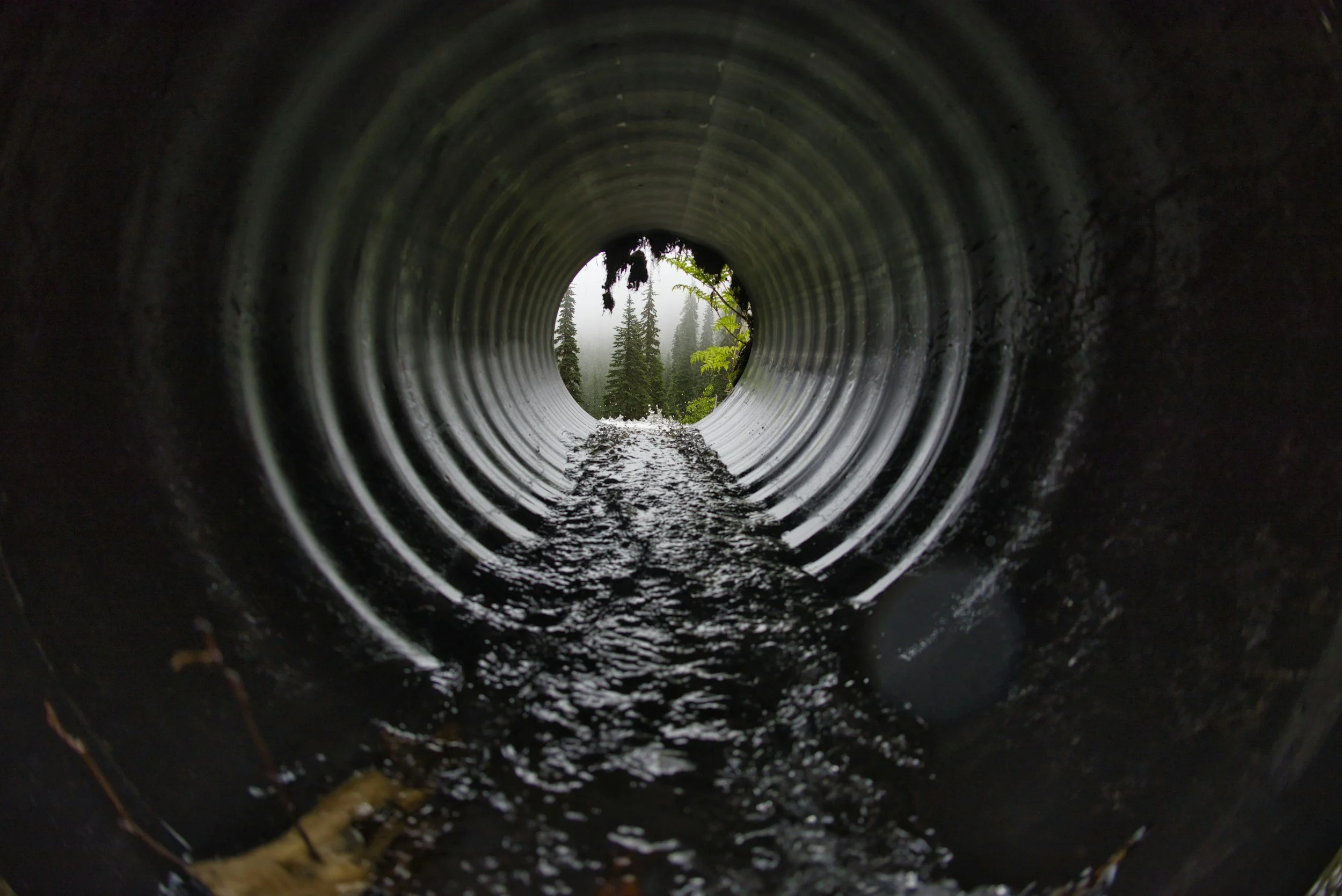
A sewer scope inspection uses a camera to inspect underground pipes and check for:
Root intrusion
Pipe cracks
Blockages
Sagging sewer lines
The Environmental Protection Agency recommends regular inspections of sewer and septic systems to prevent costly failures.
Repair costs may vary widely:
Minor clean out: $800 to $1,500
Section repair: $4,000 to $8,000
Full replacement: $15,000 to $25,000+
Should Buyers Ever Waive a Home Inspection?
From a risk management perspective, waiving a home inspection removes a critical protection.
Home inspections are one of the most important contingencies available to buyers in Washington real estate. However market conditions can influence buyer decisions.
In highly competitive markets buyers sometimes:
Conduct pre inspections
Review seller inspections with their own inspector
Shorten inspection timelines
Completely waiving inspection increases risk and eliminates negotiation leverage.
Who the Home Inspector Works For
The home inspector works for the buyer. Inspectors are independent professionals hired to provide an objective evaluation of the property.
Their responsibility is to document conditions rather than advocate for either party.
The American Society of Home Inspectors Standards of Practice emphasize inspector independence and transparency.
Expert Insight: What This Means Locally
In King County real estate inspection week compresses risk assessment into a short timeframe.
Most transactions continue after inspection because findings often involve maintenance rather than structural problems.
Homes in the Seattle region face several environmental conditions that influence inspections:
Significant annual rainfall
Mature tree coverage
Older housing inventory
Because of these factors inspection reports frequently reveal maintenance items. The purpose of inspection is not to find a perfect home. It is to provide clarity so buyers can make informed decisions.
FAQ
How long does inspection week last in Washington?
Inspection contingencies typically last about 10 days after mutual acceptance unless the contract specifies a shorter timeline.
How long does a home inspection take?
Most inspections take three to four hours depending on property size, age, and complexity.
Is it normal for buyers to request repairs after inspection?
Yes. Many buyers request repairs, credits, or price adjustments after reviewing inspection findings.
Can a buyer walk away after the inspection?
Yes. During the inspection contingency period buyers may terminate the contract based on inspection results.
Should sellers worry about the inspection?
Prepared sellers typically do not need to worry. Most inspection findings involve routine maintenance rather than major structural issues.
Get Expert Guidance
Buying a home involves many moving parts and inspection week is one of the most important.
If you have questions about navigating a home inspection or preparing to buy in King County our team is always happy to help.
📧 clientcare@perkinsnwre.com |📱 (206) 960-4985
Honest. Effective. Reliable.
Helpful Resources
Washington State Department of Licensing – Home Inspectors
https://dol.wa.gov/professional-licenses/home-inspectors
Licensing standards for home inspectors in Washington.
Environmental Protection Agency – Septic Systems
https://www.epa.gov/septic
Guidance on septic systems and inspection risks
National Association of Realtors – Research and Statistics
https://www.nar.realtor/research-and-statistics
Data on housing trends and buyer behavior