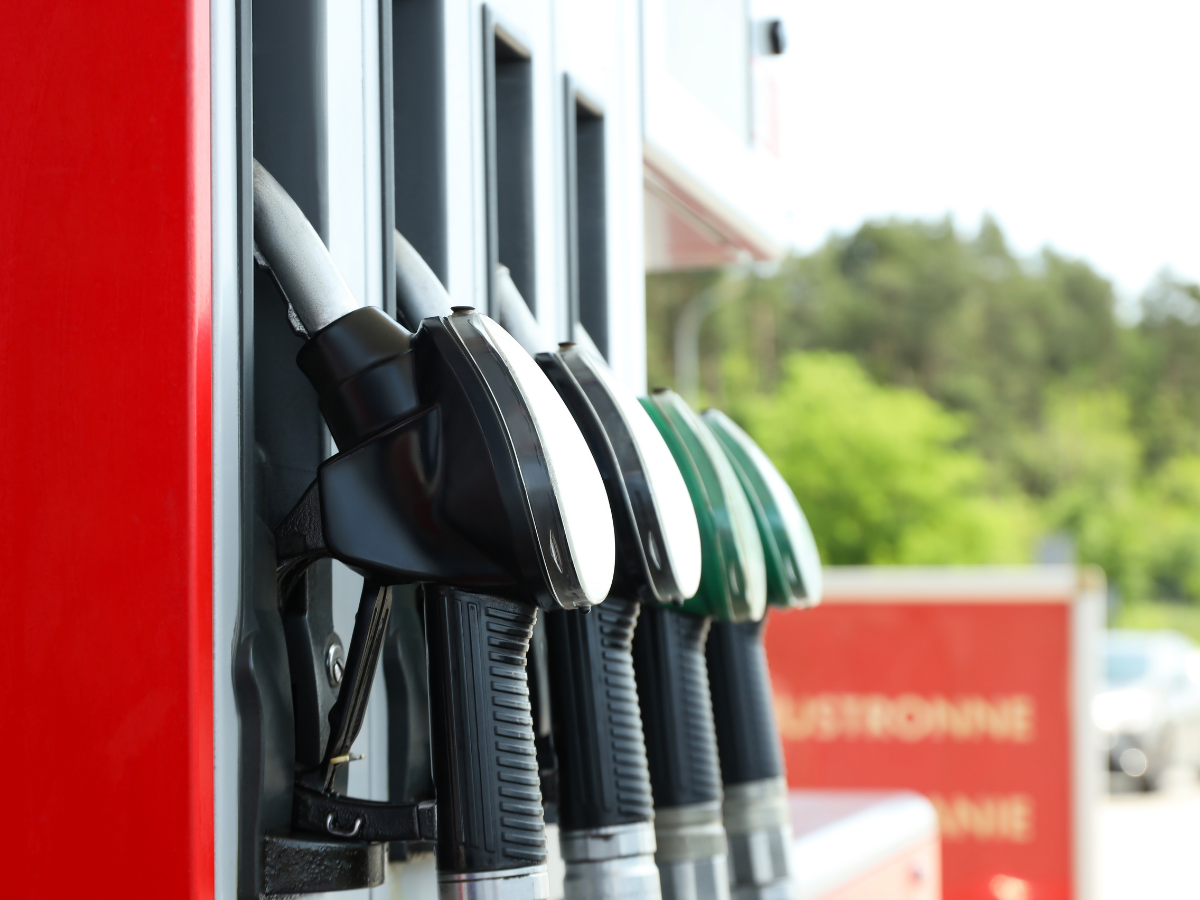
Rising gas prices in King County, Washington matter because transportation costs can directly affect how buyers, sellers, and homeowners plan their monthly budgets. With AAA reporting Washington’s average regular gas price at $5 on March 18, 2026, households across the region are paying close attention to commuting costs, school runs, errands, and the total cost of living tied to where they live.
That does not mean every housing decision should be driven by fuel costs alone. It does mean transportation deserves a bigger place in the conversation, especially in a market where many households are already balancing mortgage payments, property taxes, insurance, utilities, and day-to-day expenses.
For buyers, sellers, and current homeowners in King County, this is really a budgeting question. How much does driving cost each month, and how does that compare to options like living closer to work, using transit more often, or choosing a home with a different commute pattern?
Why do rising gas prices matter for housing decisions in King County?
Rising gas prices matter because housing affordability is not only about the mortgage payment. It is also about the full monthly cost of living in a specific location.
The Consumer Financial Protection Bureau advises buyers to budget for the total monthly home payment and other recurring costs that come with ownership, not just principal and interest (CFPB homebuying budget guidance. In King County, transportation can become one of those recurring costs that materially changes what feels affordable.
That is especially relevant in a county with a wide range of commute patterns. A buyer comparing homes in Maple Valley, Kent, Renton, Covington, Black Diamond, or Federal Way may find that two homes with similar prices create very different monthly budgets once fuel, tolls, parking, and time on the road are considered.
This is also happening at a moment when NWMLS says active listings in Washington were up nearly 28% year over year in February 2026, while mortgage rates dipped below 6% at the end of February, giving many buyers more options than they had a year earlier (NWMLS February 2026 market update. More choice can be helpful, but it also means households should compare homes with a sharper eye on the true monthly budget.
How should buyers factor gas costs into a home budget?
Buyers should treat gas costs as part of the affordability calculation, not as an afterthought. A home that looks slightly less expensive on paper may feel more expensive each month if it requires a long daily drive.
The CFPB also notes that buyers should revisit their budget as they gather more accurate information during the home search, including changed expenses tied to ownership and daily life: CFPB monthly payment worksheet: That is a practical reminder for King County buyers to estimate commuting costs before making an offer.
A useful approach is to compare:
estimated weekly fuel spending based on commute distance
tolls or paid parking, where relevant
transit costs if the household may use Link, Sounder, or Metro
vehicle wear and tear over time
how often the household realistically drives to work, school, and everyday destinations
This is one reason location can be a financial strategy, not just a lifestyle preference. A home with better access to work, school, shopping, or transit may reduce monthly transportation pressure even if the purchase price is not the lowest in the search.
For readers who are also planning a purchase, our team recommends pairing this kind of budget thinking with broader financial prep, including posts like.

What can homeowners do to reduce transportation costs without moving?
Homeowners do not always need to move to respond to higher gas prices. Often, the first step is adjusting daily routines and identifying where transportation costs can be reduced.
King County Metro highlights several cost-saving alternatives, including vanpool and vanshare programs, with one monthly fare covering the van, fuel, maintenance, tolls, insurance, and more. King County Metro vanpool and vanshare. For some commuters, especially those traveling longer distances with consistent schedules, that can be a meaningful way to lower out-of-pocket driving costs.
For households near transit, Sound Transit also notes that income-qualified adults using ORCA LIFT can access one-way low-income fares for $1 on Sound Transit services. Even for households that do not switch fully to transit, using it a few days per week can help manage fuel spending.
Other practical adjustments include combining errands, evaluating school and activity routes more carefully, carpooling, and reviewing whether one household vehicle could be used differently during the week.
How do rising gas prices affect sellers in King County?
For sellers, rising gas prices can influence what buyers value and how they compare homes. When transportation costs rise, features like commute access, proximity to transit, neighborhood convenience, and everyday walkability can matter more.
That does not mean every buyer is suddenly prioritizing the same things. It does mean sellers should understand how their home fits into the broader cost-of-living conversation. A property that offers easier access to major employers, transit options, schools, or daily errands may appeal to buyers looking for ways to control monthly expenses.
Are transit, tolls, and commute tradeoffs becoming more important?
Yes. Transit access, tolls, and commute tradeoffs are becoming more important because households are increasingly comparing the full cost of mobility, not just the sticker price of a home.
WSDOT notes that toll roads, bridges, and tunnels in Washington can affect commuting costs, and that drivers can save money with a Good To Go! account where tolling applies (WSDOT toll roads overview: https://wsdot.wa.gov/travel/roads-bridges/toll-roads-bridges-tunnels). In parts of King County and nearby commute corridors, those expenses can add up over time.
At the same time, Sound Transit’s 1 Line now runs from Lynnwood to Federal Way, giving more households a transit option for at least part of the commute depending on where they live and work (Sound Transit 1 Line route and schedule: https://www.soundtransit.org/ride-with-us/routes-schedules/1-line). That can change how some buyers compare homes in areas with better station access.
For homeowners and buyers alike, the bigger point is this: monthly transportation costs are no longer background noise. They are part of how households evaluate value.
What budget strategies make the most sense right now?
The most useful budget strategies right now are the ones that reflect real local costs, not generic national advice.
Seattle-area consumer prices were up 3.9% from a year earlier as of February 2026, according to the Bureau of Labor Statistics, which reinforces the need for households to review recurring costs with current numbers in mind (BLS Seattle CPI, February 2026.
A practical King County budget reset may include:
recalculating monthly driving costs using current gas prices
comparing one-home option versus another with commute costs included
revisiting the household emergency fund
reviewing whether transit, vanpool, or carpool options could reduce weekly spending
planning for variable costs like tolls, parking, and seasonal driving changes
avoiding the mistake of stretching too far on housing while underestimating transportation

Expert Insight: What This Means Locally
In King County, rising gas prices are not just a transportation story. They are a housing-planning story.
Our team is seeing more households think carefully about total monthly cost, not just purchase price. That is a healthy shift. In markets with varied commute patterns and multiple subareas, the better question is often not simply, “What can we buy?” It is, “What can we comfortably sustain once transportation and daily life are included?”
For some clients, that may point toward a home closer to work or transit. For others, it may mean staying put and tightening the transportation budget rather than making a rushed move. The key is clarity. Good decisions usually come from comparing options with real numbers instead of reacting to one headline or one monthly expense in isolation.
What should buyers, sellers, and homeowners keep in mind next?
Gas prices can change, but the budgeting lesson tends to last. Housing decisions are stronger when households consider the full monthly picture, including transportation.
For buyers, that means comparing homes with commute costs in mind. For sellers, it means understanding how location convenience can shape buyer interest. For homeowners, it means reviewing whether daily routines, transit use, or commute alternatives could lower pressure without making bigger changes than necessary.
FAQs About Rising Gas Prices and Housing Costs in King County
How do rising gas prices affect home affordability?
Rising gas prices affect home affordability by increasing the total monthly cost of living. Even if a mortgage payment fits the budget, transportation expenses can make a home feel less affordable over time.
Should buyers choose a more expensive home if the commute is shorter?
Sometimes a shorter commute can make a higher-priced home worth considering, especially if it lowers monthly fuel, toll, parking, and vehicle costs. The right answer depends on the full household budget, not just the purchase price.
Can sellers use commute convenience as a marketing advantage?
Yes, when it is presented accurately. Sellers can highlight proximity to transit, major employers, shopping, schools, or daily amenities if those features genuinely support lower transportation costs or easier routines.
What are some practical ways to reduce commuting costs in King County?
Households may be able to reduce costs by using transit more often, joining a vanpool, carpooling, combining errands, or choosing routes and schedules that reduce toll or fuel usage.
Is rising gas prices a reason to delay buying a home?
Not necessarily. It is more often a reason to budget more carefully. Buyers may benefit from comparing locations and commute patterns more closely rather than delaying automatically.
Helpful Resources
AAA Washington Gas Prices
https://gasprices.aaa.com/?state=WA
Current statewide average gas prices and daily fuel updates.Consumer Financial Protection Bureau, Homebuying Budget Guidance
https://www.consumerfinance.gov/owning-a-home/prepare/figure-out-how-much-you-want-to-spend/
Helps buyers evaluate what they can comfortably spend each month.CFPB Monthly Payment Worksheet
https://files.consumerfinance.gov/f/documents/cfpb_buying-a-house_monthly-payment_worksheet.pdf
A practical worksheet for estimating monthly housing costs.Northwest Multiple Listing Service, February 2026 Market Update
https://www.nwmls.com/inventory-surges-28-as-mortgage-rates-dip-below-6-ahead-of-spring-market/
Regional market context on inventory, rates, and buyer conditions.King County Metro Vanpool and Vanshare
https://kingcounty.gov/en/dept/metro/travel-options/vanpool-and-vanshare
Official information on commute alternatives that can lower transportation costs.Sound Transit Fares
https://www.soundtransit.org/ride-with-us/how-to-pay/fares
Fare information, including reduced-fare options.WSDOT Toll Roads, Bridges, and Tunnels
https://wsdot.wa.gov/travel/roads-bridges/toll-roads-bridges-tunnels
Toll information for Washington commuters.Bureau of Labor Statistics, Seattle CPI
https://www.bls.gov/regions/west/news-release/ConsumerPriceIndex_Seattle.htm
Local inflation data for the Seattle-Tacoma-Bellevue area.
Questions About Budgeting for a Move in King County?
If you are trying to weigh housing costs, commuting expenses, or location tradeoffs in King County, our team is happy to help you think through the numbers.
📧 clientcare@perkinsnwre.com | 📱 (206) 960-4985
Honest. Effective. Reliable.