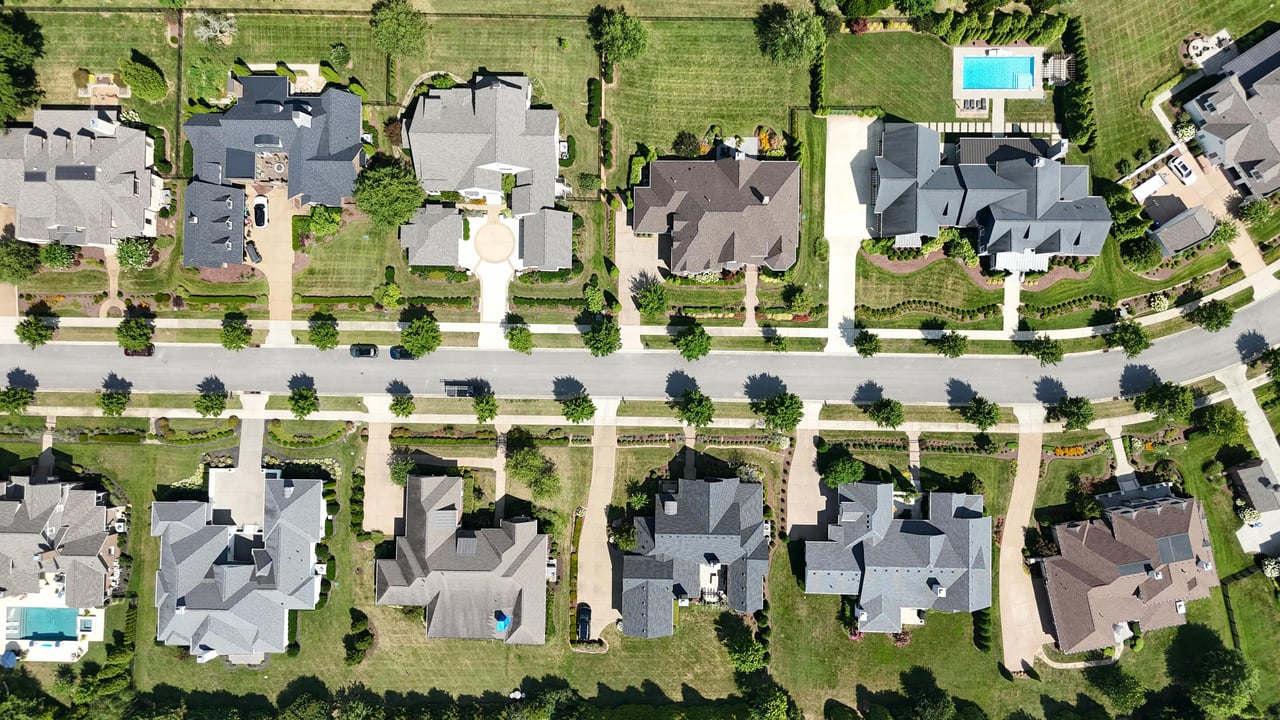
Seattle’s single-family rents continue to rise even as rent growth slows or reverses in many U.S. metros, and this divergence matters for buyers evaluating when to rent, when to buy, and how housing costs may evolve in King County.
Understanding the forces behind this contrast helps buyers interpret market signals more clearly.

What Is Happening With Single-Family Rents Nationally?
Across much of the U.S., single-family rent growth has cooled as new supply comes online and household formation slows. According to Zillow’s national rent data, rent growth has decelerated significantly in many regions following pandemic-era highs.
Higher interest rates and affordability pressures have also reduced demand in some markets. The Federal Reserve has noted that tighter monetary policy has moderated housing demand nationally.
Why Is Seattle an Outlier?
Seattle’s single-family rental market remains under pressure because demand continues to exceed supply. Limited buildable land, restrictive zoning, and slower delivery of new detached homes constrain inventory in King County.
The Puget Sound Regional Council has consistently identified land-use limits and population growth as structural drivers of housing scarcity in the region. At the same time, job concentration in technology, healthcare, and research continues to support household incomes, sustaining rental demand.
How Do Interest Rates and Home Prices Affect Rents?
Higher mortgage rates have kept many potential buyers in the rental pool longer, increasing competition for single-family rentals.
In Seattle, where home prices remain high relative to national averages, this dynamic is amplified. Redfin’s local market reports show that price levels in King County remain well above the U.S. median, even during periods of slower sales activity.

What Does This Mean for Buyers in King County?
For buyers, rising single-family rents can quietly shift the rent-versus-buy equation. Monthly rent increases may narrow the gap between renting and owning, particularly for buyers planning to stay in the area for several years.
According to the Urban Institute, sustained rent growth can accelerate transitions to homeownership when affordability thresholds are crossed. Buyers weighing timing decisions should account for how persistent rental pressure affects long-term housing costs.
Are Supply Constraints Likely to Ease Soon?
Supply constraints in Seattle are structural rather than cyclical. Zoning reform and housing legislation are progressing, but the Washington State Department of Commerce notes that housing production still lags population and job growth in high-demand counties.
Single-family construction remains particularly limited, meaning rental relief may arrive slowly even if broader national conditions soften.
Practical Considerations for Buyers Watching the Rental Market
Buyers tracking rental trends should focus on more than headline rent growth. Lease renewal terms, neighborhood-level inventory, and long-term lifestyle needs all matter.
Local market data from sources like the Northwest Multiple Listing Service can help buyers understand how rental pressure intersects with for-sale inventory and pricing trends.
How Buyers Can Prepare Strategically
Strategic preparation starts with clarity. Buyers should assess how long they plan to remain in King County, how sensitive they are to rent volatility, and how future housing costs fit into broader financial plans.
The Consumer Financial Protection Bureau emphasizes the importance of comparing long-term housing costs, not just upfront expenses, when deciding whether to rent or buy.
Expert Insight: What This Means Locally
Our team reviews rental, pricing, and inventory data across King County on a regular basis. The persistence of rising single-family rents in Seattle reflects local constraints rather than short-term market noise.
For buyers, the key is not predicting a sudden shift, but planning around durable conditions. Clear analysis and realistic expectations help buyers make confident decisions in an uneven national landscape.
Frequently Asked Questions
Why are Seattle rents rising when other cities are cooling?
Seattle faces unique supply constraints, strong job demand, and limited single-family construction, which keeps rental pressure elevated.
Does rising rent mean home prices will rise too?
Not necessarily. Rent and price trends are related but influenced by different factors, including interest rates and buyer financing conditions.
Should buyers wait if rents are high?
Waiting can make sense for some, but rising rents can also increase the long-term cost of delaying a purchase. Individual timelines matter.
Are single-family rentals more affected than apartments?
Yes. Apartments have seen more new supply nationally, while single-family rentals remain constrained in many high-demand markets like Seattle.
Will zoning changes lower rents soon?
Zoning reform may help over time, but meaningful relief typically unfolds over several years rather than months.
Helpful Resources
-
Zillow Researchhttps://www.zillow.com/research/data/
National and local rental market data. -
Redfin Data Centerhttps://www.redfin.com/news/data-center/
Housing price and rent trends for King County. -
Puget Sound Regional Council Housinghttps://www.psrc.org/our-work/housing
Regional housing supply and planning insights. -
Washington State Department of Commerce Housinghttps://www.commerce.wa.gov/growing-the-economy/housing/
Statewide housing policy and production data. -
Freddie Mac Primary Mortgage Market Surveyhttps://www.freddiemac.com/pmms
Weekly mortgage rate trends. -
Consumer Financial Protection Bureauhttps://www.consumerfinance.gov/owning-a-home/
Guidance on housing cost comparisons.
Let’s Review Your Options
If you are weighing whether rising rents change your buying timeline, our team is available to help you think through the data and your options.