King County is investing millions of dollars into affordable housing developments across the region, and those locations matter for buyers evaluating long-term value, neighborhood growth, and access to opportunity.
Recent funding awards through the county’s Housing Finance Program are shaping where new housing will be built, particularly near transit hubs in South King County and Seattle neighborhoods experiencing rapid change.
Understanding where these developments are located, and why, helps buyers make more informed decisions about timing, pricing, and future neighborhood dynamics.

What Is King County’s Housing Finance Program?
King County’s Housing Finance Program partners with nonprofit developers, local governments, and housing authorities to expand affordable housing throughout the county. According to reporting by the South Seattle Emerald, the county awarded nearly $25 million to eight projects expected to create close to 1,000 affordable housing units across the region.
The program prioritizes:
-
Housing near transit
-
Units reserved for previously unhoused individuals
-
Housing for veterans and people with intellectual and developmental disabilities
-
Long-term affordability through tools like land trusts
You can learn more about the program directly from King County’s Department of Community and Human Services.
Affordable housing development in Washington State is also supported through resources like the Washington State Department of Commerce Housing Division and federal programs administered by HUD.
Where New Affordable Housing Is Being Built
Recent funding has supported projects in:
Burien
Habitat for Humanity Seattle–King County received funding to continue a 40-unit development near S 136th Street. The homes will be part of a community land trust, helping preserve long-term affordability.
Habitat for Humanity’s model allows qualified buyers earning below 50% of area median income to purchase homes with layered financial support.
SeaTac
A 130-unit development near the Angle Lake light rail station, led by Mercy Housing and The Arc of King County, will provide affordable homes, including units specifically designed for residents with disabilities.
Federal Way
Redondo Heights, a 334-unit affordable apartment community, is being built near a Park & Ride and the future 272nd Link light rail extension. Transit-oriented development like this aligns with Sound Transit’s regional expansion plans.
Beacon Hill (Seattle)
The North Lot project on the Pacific Hospital campus will create 160 affordable units in a neighborhood facing displacement pressures. The Seattle Chinatown International District Preservation and Development Authority is managing the development.
Why Location Matters Especially Near Transit
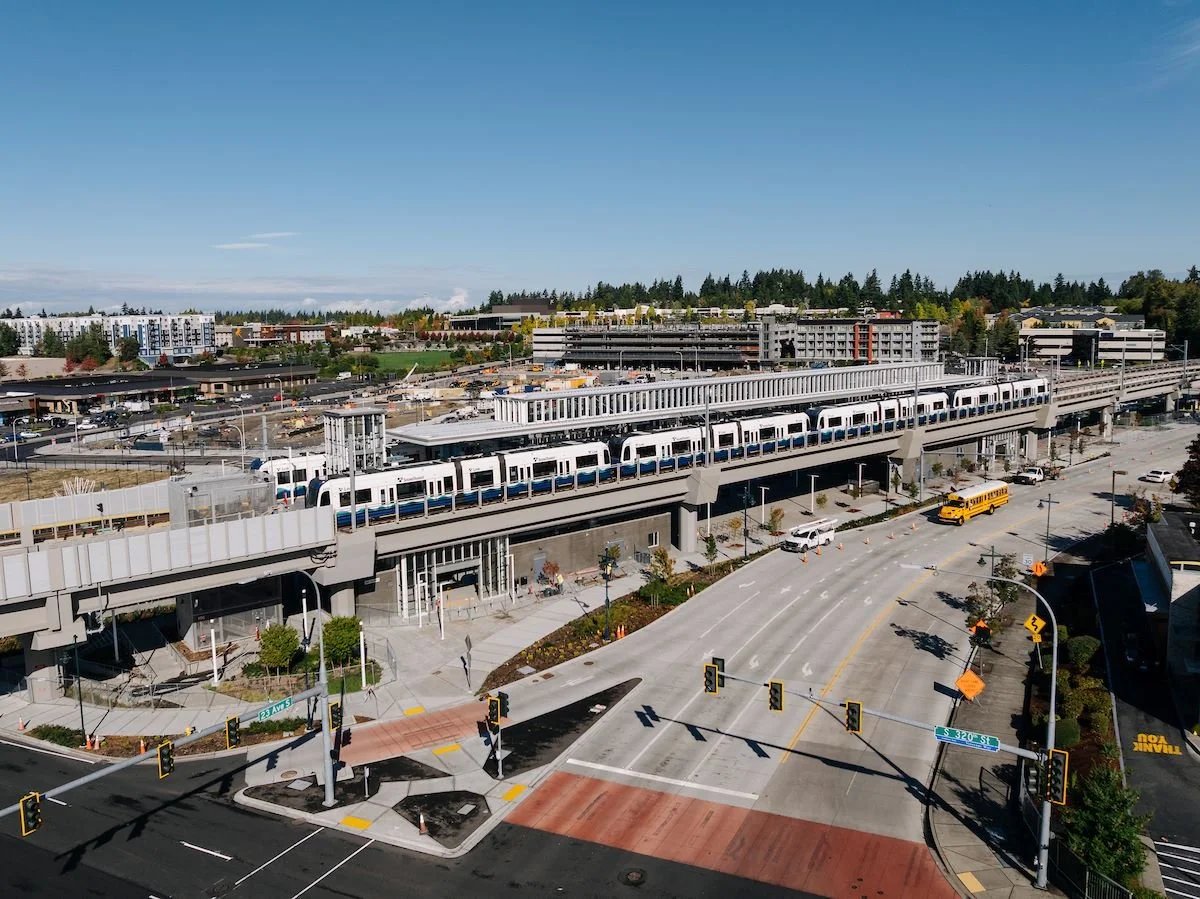
Transit-oriented affordable housing is not accidental. King County prioritizes building near light rail stations, bus hubs, and Park & Ride facilities to:
-
Increase access to employment centers
-
Reduce transportation costs for residents
-
Support walkable community development
-
Align with Washington’s Growth Management Act
For buyers, this matters because transit investment often drives:
-
Infrastructure improvements
-
Increased neighborhood demand
-
Commercial development nearby
-
Long-term property value stability
Light rail expansions in South King County and Seattle continue reshaping local real estate patterns.
Buyers who understand where public funding is flowing can better anticipate which neighborhoods may experience long-term growth.
What This Means for Buyers in King County
Affordable housing development impacts buyers in several ways:
1. Neighborhood Stability and Services
Many projects include community centers, supportive services, and long-term affordability protections. This can increase neighborhood stability over time.
2. Transit Access and Commute Value
Homes near light rail stations and major bus corridors typically command strong demand because commute predictability matters in the Seattle metro market.
3. Increased Density
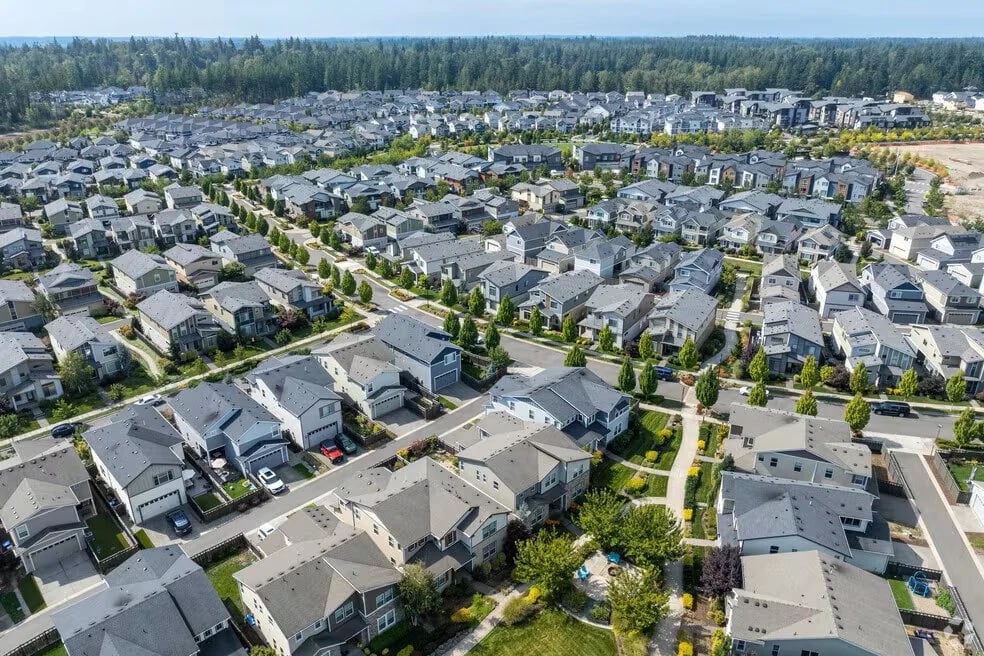
Buyers should expect higher density in certain corridors, particularly in South King County and parts of Seattle undergoing transit expansion.
4. Future Development Momentum
Public investment often signals where additional private investment may follow. Understanding these signals can help buyers think strategically about long-term positioning.
Practical Considerations Before Buying Near New Development
If you are considering purchasing in areas such as Burien, SeaTac, Federal Way, Beacon Hill, or other transit corridors, consider:
-
Reviewing zoning and future land use plans through King County’s planning resources
-
Understanding school district boundaries and service access
-
Evaluating transit timelines through Sound Transit project updates
-
Considering noise, density, and parking impacts
-
Looking at resale trends in transit-oriented neighborhoods
Affordable housing does not automatically reduce property values. In many cases, professionally managed, well-designed developments contribute positively to long-term community growth.
Strategy: How Buyers Can Prepare
Buyers navigating King County’s evolving housing landscape should:
-
Monitor transit expansion plans
-
Track municipal development approvals
-
Evaluate walkability and infrastructure improvements
-
Assess long-term ownership plans (5–10+ years)
-
Work with professionals who understand neighborhood-level trends
Strategic buying is not just about price, it is about positioning within a region experiencing coordinated public investment.
Expert Insight: What This Means Locally
Our team closely monitors where King County allocates housing funding because these investments often align with future infrastructure growth and neighborhood change. Affordable housing built near transit is part of a broader regional strategy to increase access and stabilize communities.
For buyers, clarity matters. Understanding how public funding, zoning, and transit planning intersect allows for more confident decision-making. Not every neighborhood will evolve the same way, and local nuance is critical.
Frequently Asked Questions
Does affordable housing lower nearby property values?
Research findings vary by market, but professionally managed affordable housing near transit typically does not create long-term value declines. Location, design quality, and neighborhood demand are stronger indicators.
Why does King County build affordable housing near light rail?
Transit access reduces transportation costs and increases employment access, making housing more sustainable for residents.
Are these homes available to all buyers?
Many affordable units have income qualifications and eligibility requirements. Some projects use land trusts to maintain long-term affordability.
How can buyers track where development is happening?
Buyers can review King County planning portals, city permitting dashboards, and Sound Transit expansion maps.
Will more affordable housing be built in South King County?
Regional planning efforts and transit expansion suggest continued development in transit-accessible areas, particularly in South King County communities.
Helpful Resources
King County Housing Finance Program
Overview of county housing funding initiatives and priorities.
South Seattle Emerald Article
Local reporting on recent affordable housing awards.
Washington State Department of Commerce – Housing
State-level housing programs and policy updates.
HUD Washington State
Federal housing programs and fair housing resources.
Sound Transit Expansion Map
Details on light rail and regional transit growth.
Puget Sound Regional Council
Regional growth planning and demographic data.
Habitat for Humanity Seattle–King County
Information about community land trust and affordable homeownership.
Seattle Chinatown International District PDA
Community-based development and preservation efforts.
Let’s Talk About Your Plan
If you are considering buying in King County and want to better understand how affordable housing investments and transit expansion may affect your options, our team is here to help you think strategically and plan confidently.