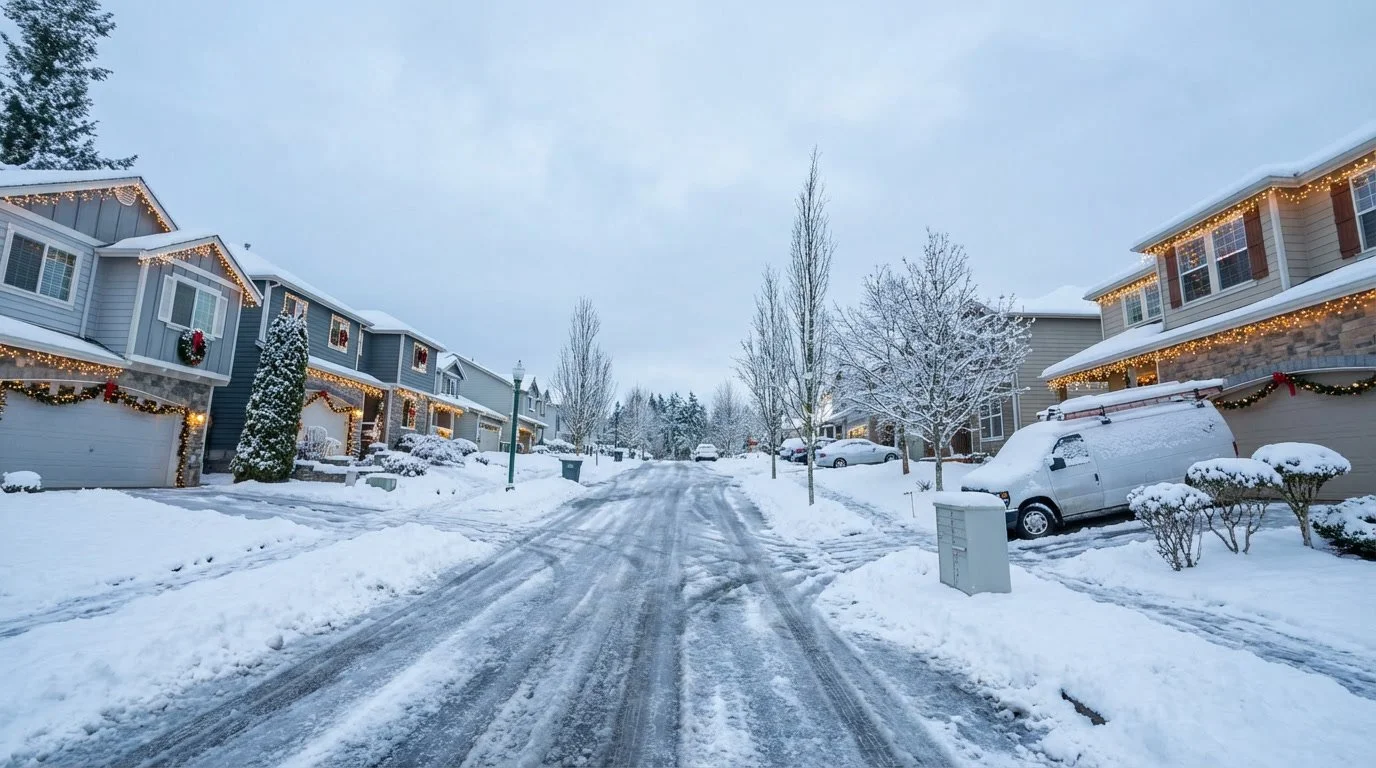
Maple Valley Winter Home Prep: Essential Steps Before the Cold Arrives
Winterizing your home in Maple Valley is one of the most important steps you can take before cold weather sets in. With freeze cycles, heavy rainfall, and sudden temperature drops (National Weather Service), preparing early can protect your property and keep your home energy-efficient through the season. Maple Valley’s mix of rain, elevation, and windstorms makes proactive winter prep especially critical.
As your local real estate team at Perkins & Associates, we’ve helped countless homeowners protect and maintain their homes year-round.
In this guide, we’ll walk you through how to winterize your Maple Valley home with clear, effective steps customized to our Pacific Northwest climate.
Why Is Winterizing Your Maple Valley Home So Important?
Winterizing your Maple Valley home helps prevent freeze damage, moisture buildup, and costly repairs. Cold weather can put pressure on your home’s systems, especially plumbing, roofing, and insulation.
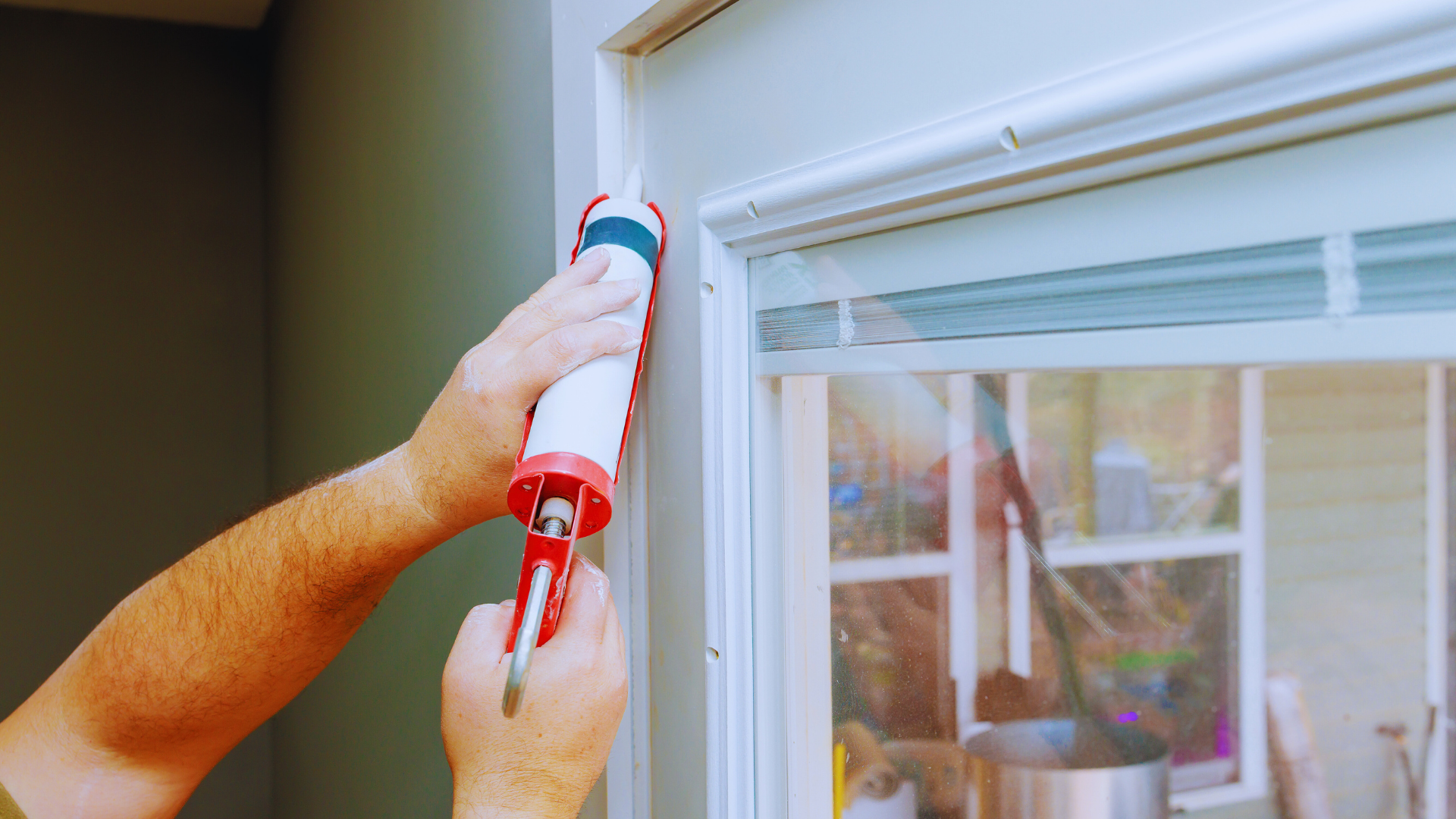
What Should You Inspect on the Exterior Before Cold Weather Arrives?
Start by inspecting your home’s siding, foundation, and exterior openings. Look for cracks, gaps, or areas where moisture could seep in.
Key steps:
Seal cracks around foundations and windows.
Check siding for signs of damage or water intrusion.
Verify exterior vents are clear and properly protected.
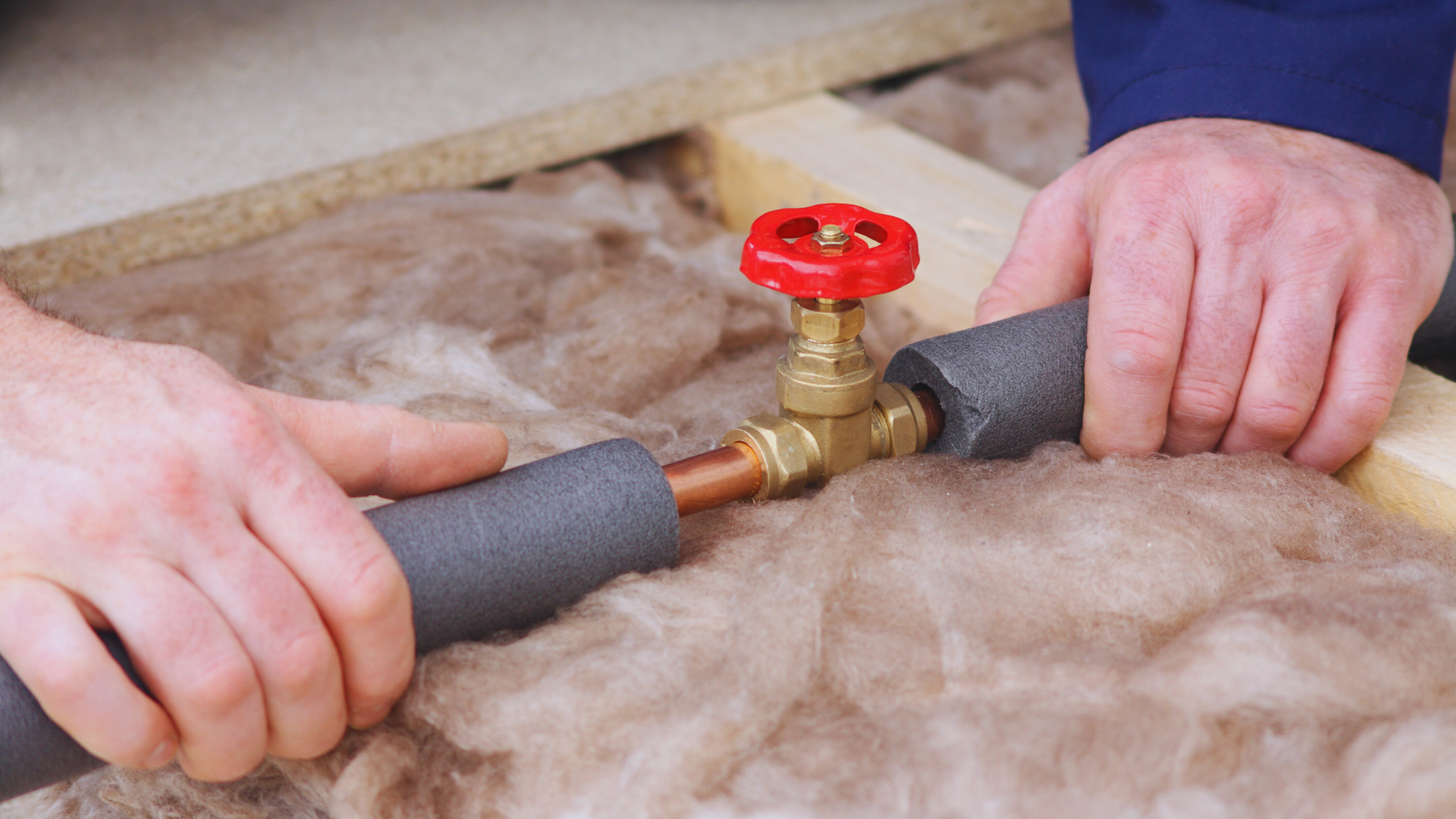
How Do You Protect Your Maple Valley Home’s Pipes From Freezing?
Protecting your pipes is essential (Red Cross frozen pipe safety) to avoid burst lines during overnight freezes.
Steps to prevent pipe freeze:
Insulate exposed pipes in garages, crawl spaces, and exterior walls.
Disconnect garden hoses and install faucet covers.
Let indoor faucets drip during severe cold spells.
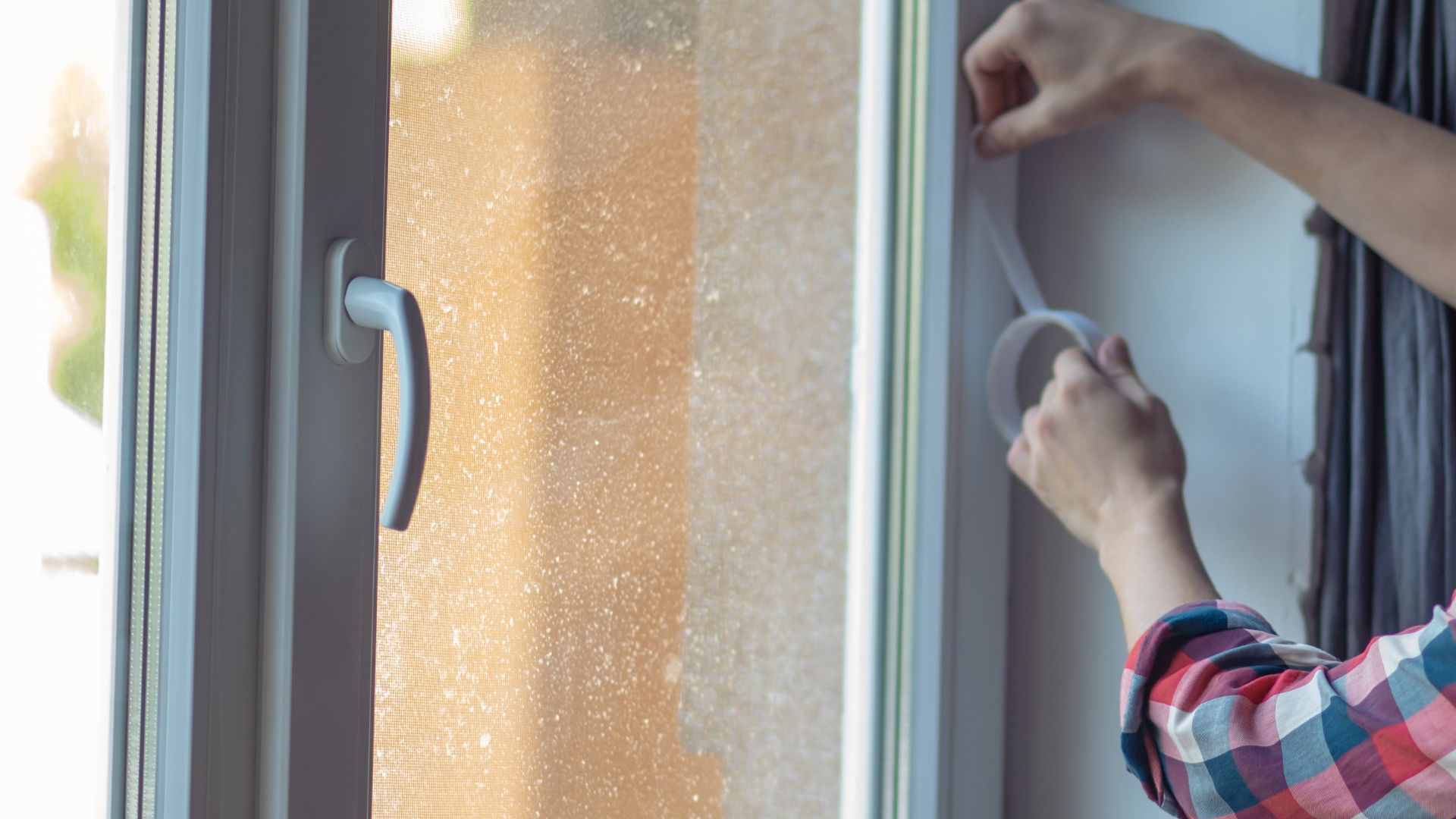
What Steps Should Homeowners Take to Winterize Windows and Doors?
Seal your windows and doors to prevent heat loss and reduce energy bills.
Try these weatherproofing tips:
Add weatherstripping around doors.
Install window insulation film (Energy.gov).
Repair broken seals or cracked panes.
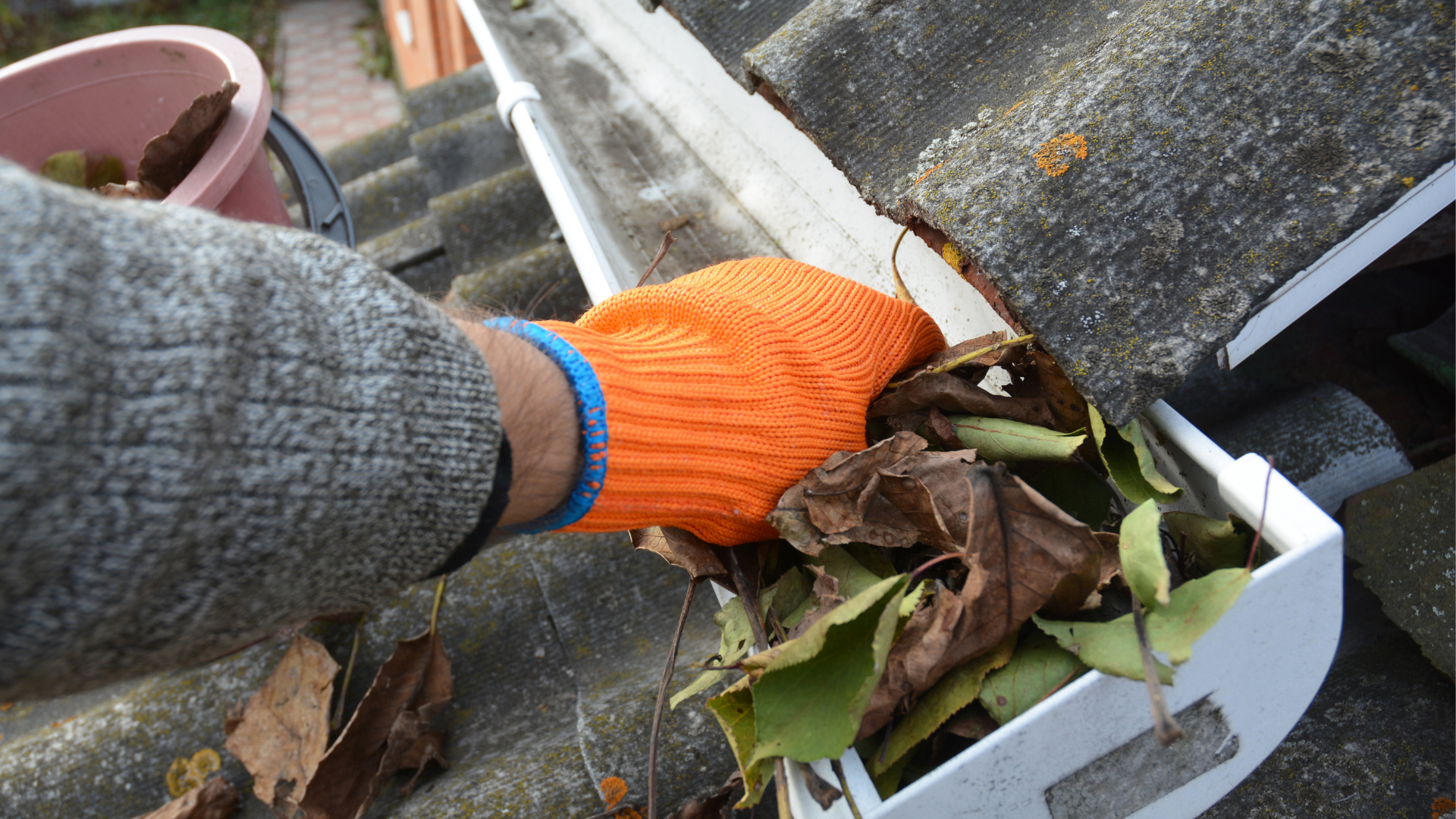
How Do You Prepare Your Roof, Gutters, and Drainage for Heavy Rain and Freeze Cycles?
Maple Valley experiences heavy rains that turn into freeze-thaw cycles.
Prepare your home by:
Clearing all gutters and downspouts.
Checking roof shingles for moss or damage.
Making sure drainage flows away from the foundation.
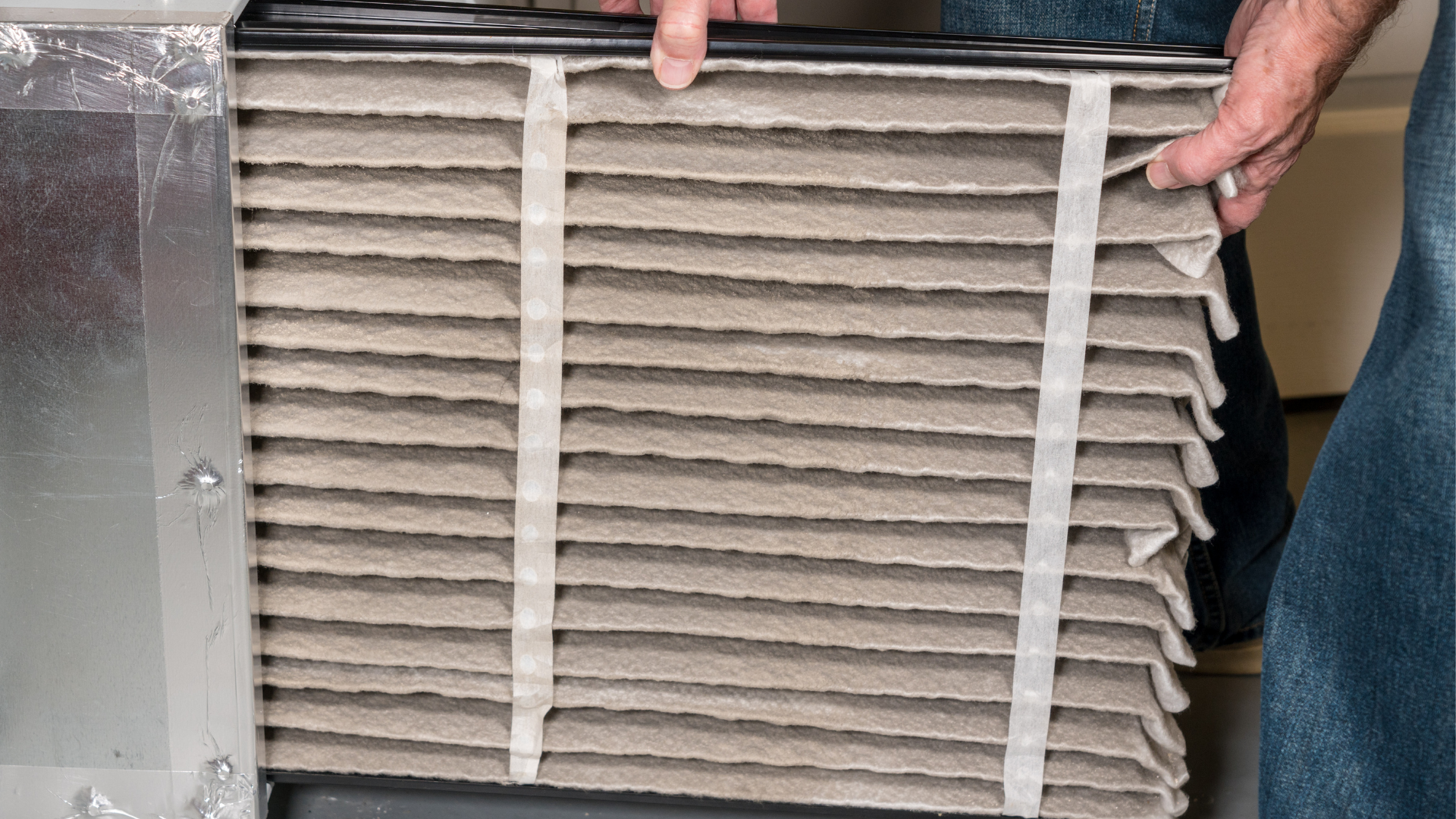
What Indoor Maintenance Helps Keep Your Home Safe During Winter?
Indoor tasks like filter changes and insulation upgrades make a big difference.
Priorities:
Replace furnace filters.
Add insulation in attics and crawl spaces.
Test smoke and carbon monoxide detectors.
Should You Service Your Heating System Before Maple Valley Winter?
Yes, annual HVAC servicing helps your system run efficiently and prevents breakdowns during cold snaps.
How Can You Prevent Mold, Moisture, and Ventilation Problems in Cold Weather?
Moisture is a major concern in the PNW climate (EPA mold & moisture prevention).
Tips for prevention:
Use bathroom and kitchen vents.
Keep indoor humidity between 30–50 percent.
Inspect crawl spaces for moisture buildup.
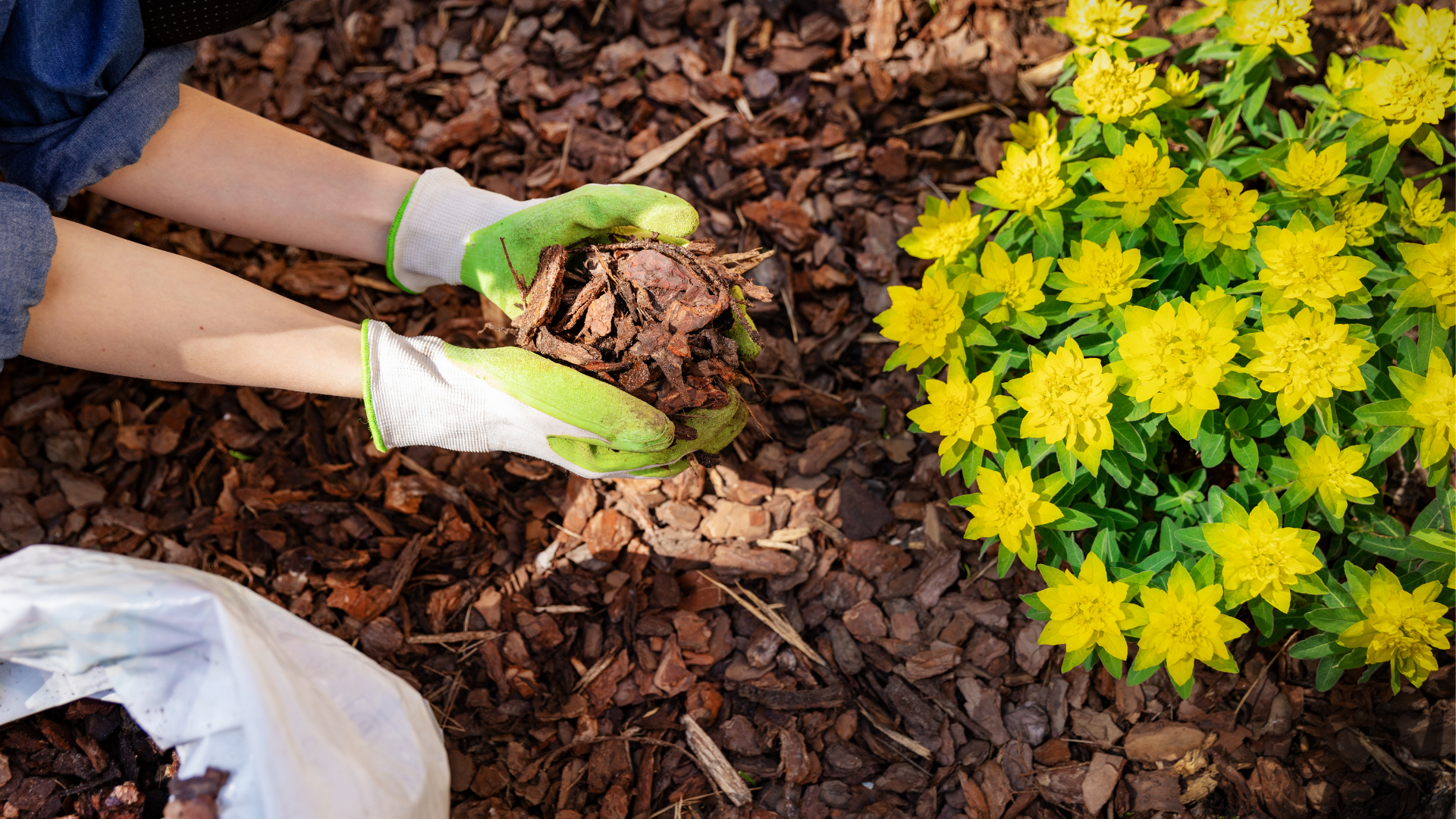
What Outdoor Landscaping Should You Winterize in Maple Valley’s Climate?
Outdoor maintenance protects your yard and prevents springtime issues.
Key tasks:
Trim back overhanging branches near your roof.
Mulch around plants to protect root systems.
Shut off and winterize your irrigation system.
How to Create an Emergency Storm Plan for Maple Valley’s Winter Weather
Maple Valley windstorms and power outages happen each year (NWS Winter Storm Safety).
Learn more: WA Emergency Management Division
Include:
Flashlights, blankets, and backup chargers.
A stocked emergency kit.
A safe heating backup source.
Why Work With a Local Expert When Preparing Your Home for Winter?
As your trusted real estate team, Perkins & Associates understands the unique climate challenges Maple Valley homes face. We can provide personalized insights into weatherproofing, home maintenance improvements, and long-term value protection.
Final Checklist: Is Your Maple Valley Home Ready for Winter?
Exterior sealed and inspected
Pipes insulated
Windows and doors weatherproofed
Roof and gutters cleared
Heating system serviced
Moisture prevention in place
Yard and irrigation winterized
Emergency plan prepared
Conclusion
Preparing your Maple Valley home for winter doesn’t have to be overwhelming. With the right steps, you can prevent costly damage, improve energy efficiency, and ensure comfort all season long.
If you’re preparing your Maple Valley home for winter and want expert guidance, Perkins & Associates is here to help you protect your home before cold weather hits.
Connect with us for your winter-readiness consultation.
📧 clientcare@perkinsnwre.com | 🌐 www.perkinsnwre.com | 📱 (206) 960-4985
FAQ
Q: What is the best month to winterize a home in Maple Valley?
A: The ideal time is late September through October, before temperatures begin to drop and heavy rains return.
Q: How do we keep my pipes from freezing during Washington winters?
A: Insulate exposed pipes, use faucet covers, and allow indoor faucets to drip during severe cold. This reduces pressure buildup.
Q: Do we need to winterize outdoor faucets and irrigation systems?
A: Yes, shutting off and draining your irrigation system prevents cracked pipes and water damage.
Q: How can we tell if my home is losing heat?
A: Drafty windows, cold spots, and rising utility bills are common indicators. A home energy audit can help locate problem areas.
Q: What emergency supplies should Maple Valley homeowners keep for winter storms?
A: Keep flashlights, blankets, backup power supplies, non-perishable food, and a first-aid kit accessible.