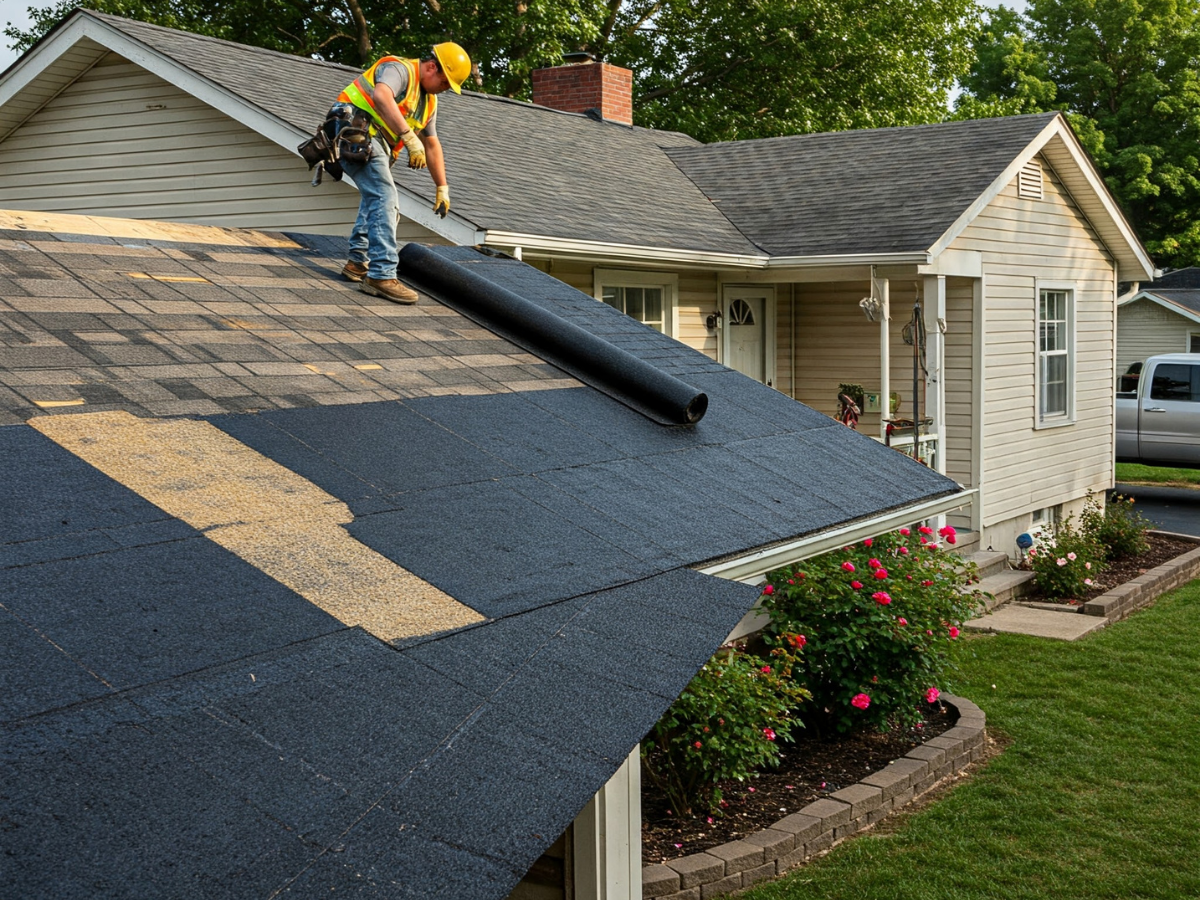
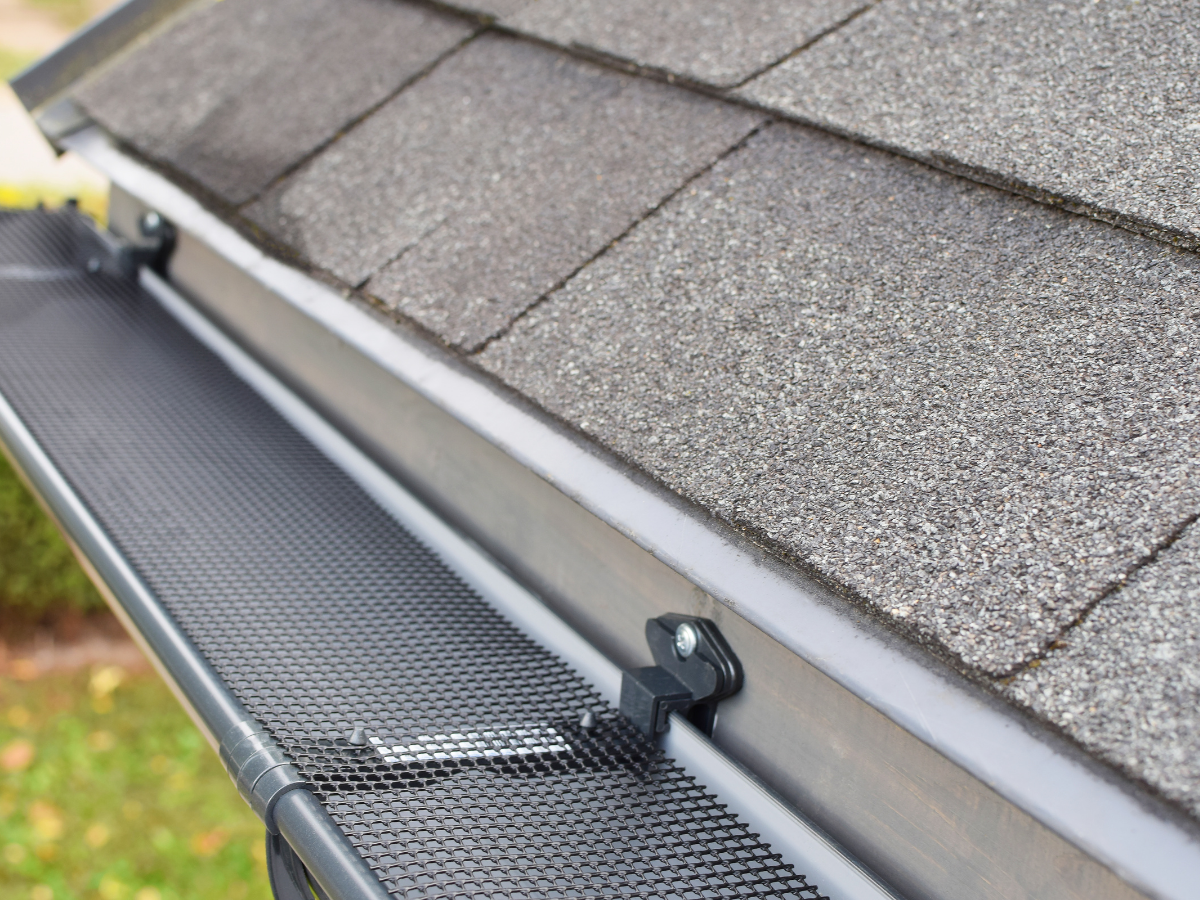
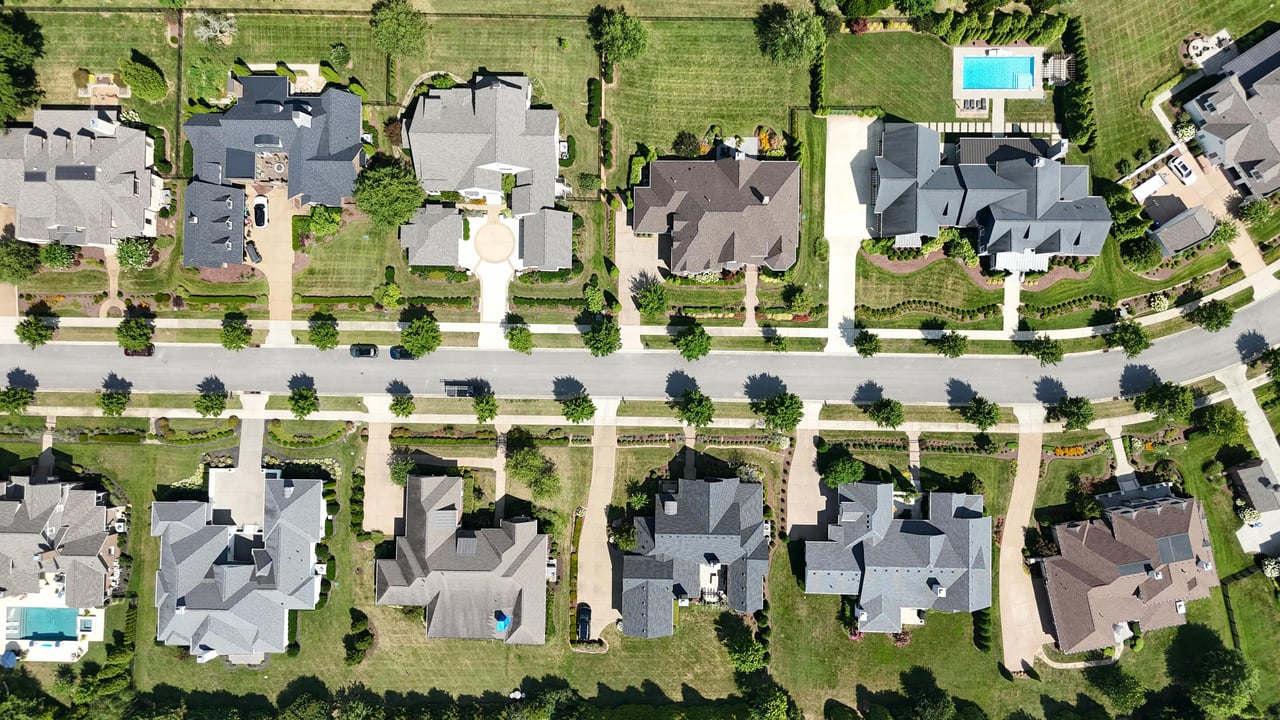
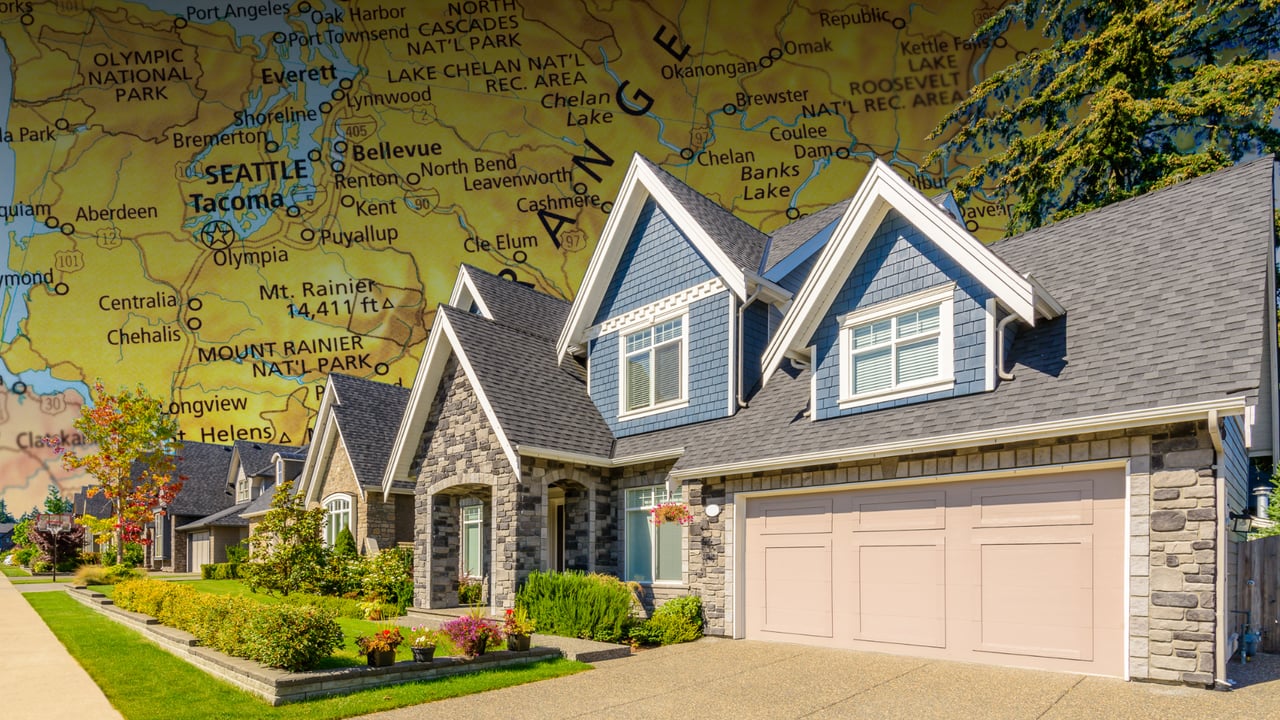
# **What Rising Insurance Rates Mean for Washington Homeowners Heading Into 2026** Rising **Washington home insurance rates in 2026** are catching many homeowners off guard, especially in Maple Valley and Black Diamond where strong winds, dense tree coverage, and rising rebuild costs are influencing premiums. Across the state, insurers are reassessing risk, adjusting underwriting guidelines, and raising rates as claim trends, climate patterns, and construction costs continue to evolve. Before homeowners receive their next renewal bill, it’s crucial to understand _why_ rates are increasing, _how_ they affect your household budget, and _what proactive steps_ you can take to protect your home and financial stability. As a local real estate team serving Maple Valley and Black Diamond, our goal is to give you honest, clear guidance that helps your family stay prepared and confident — not overwhelmed. ## **Why Are Home Insurance Rates Rising for Washington Homeowners?** Home insurance premiums are increasing statewide due to several industry-wide pressures. Insurers are paying more in claims, facing higher repair costs, and adapting to new risk patterns that didn’t exist a decade ago. Key drivers include: - **Higher claim severity** from windstorms, freezing events, and wildfire smoke damage. - **Increased repair and rebuild costs** due to inflation in labor and materials. - **More restrictive underwriting** as national insurers reduce exposure in high‑risk regions. For context, see national insurance trend data: - [Insurance Information Institute](https://www.iii.org/) - [FEMA National Risk Index](https://hazards.fema.gov/nri/home) These forces combine to make Washington a more expensive state to insure than in years past.  ## **How Are Maple Valley and Black Diamond Being Impacted?** South King County communities experience unique risk factors that insurers now weigh more heavily. ### **Maple Valley:** - Mature trees increase wind and fall‑risk exposure. - Stormwater runoff concerns have grown with new development. - Rising rebuild costs affect premiums for homes built 1990–2010. ### **Black Diamond:** - Rapid new construction means higher replacement cost baselines. - Wildfire risk mapping now influences some underwriting decisions. - Distance to hydrants and fire services can affect rates in certain neighborhoods. Local data sources: - [King County Assessor](https://kingcounty.gov/depts/assessor) - [Washington State Office of the Insurance Commissioner](https://www.insurance.wa.gov/) ## **What Factors Are Driving Higher Premiums in 2025–2026?** Premium increases are rarely linked to a single cause. Instead, insurers look at a combination of market, environmental, and economic signals. ### **1\. Rising Construction Costs** Material prices surged during the pandemic and have remained elevated. Even as inflation cools, rebuild estimates are still far higher than 2019 benchmarks. Construction cost indexes: - [National Association of Home Builders](https://www.nahb.org/) - [Bureau of Labor Statistics Construction Index](https://www.bls.gov/) ### **2\. Climate‑Related Loss Trends** Insurers track frequency and severity of events — not just catastrophic ones. Windstorms, freezing pipes, and wildfire smoke damage all contribute to Washington’s rising loss profile. Climate detail: - [NOAA Climate Data](https://www.noaa.gov/) - [WA Department of Natural Resources](https://dnr.wa.gov/wildfire-resources) [– Wildfire](https://www.dnr.wa.gov/wildfire) ### **3\. Stricter Underwriting Rules** Homes with older roofs, outdated electrical systems, or prior claims are seeing sharper increases. Underwriting guidance references: - [Allstate Underwriting Changes](https://www.allstate.com/) - [State Farm Risk Assessment Guidelines](https://www.statefarm.com/) 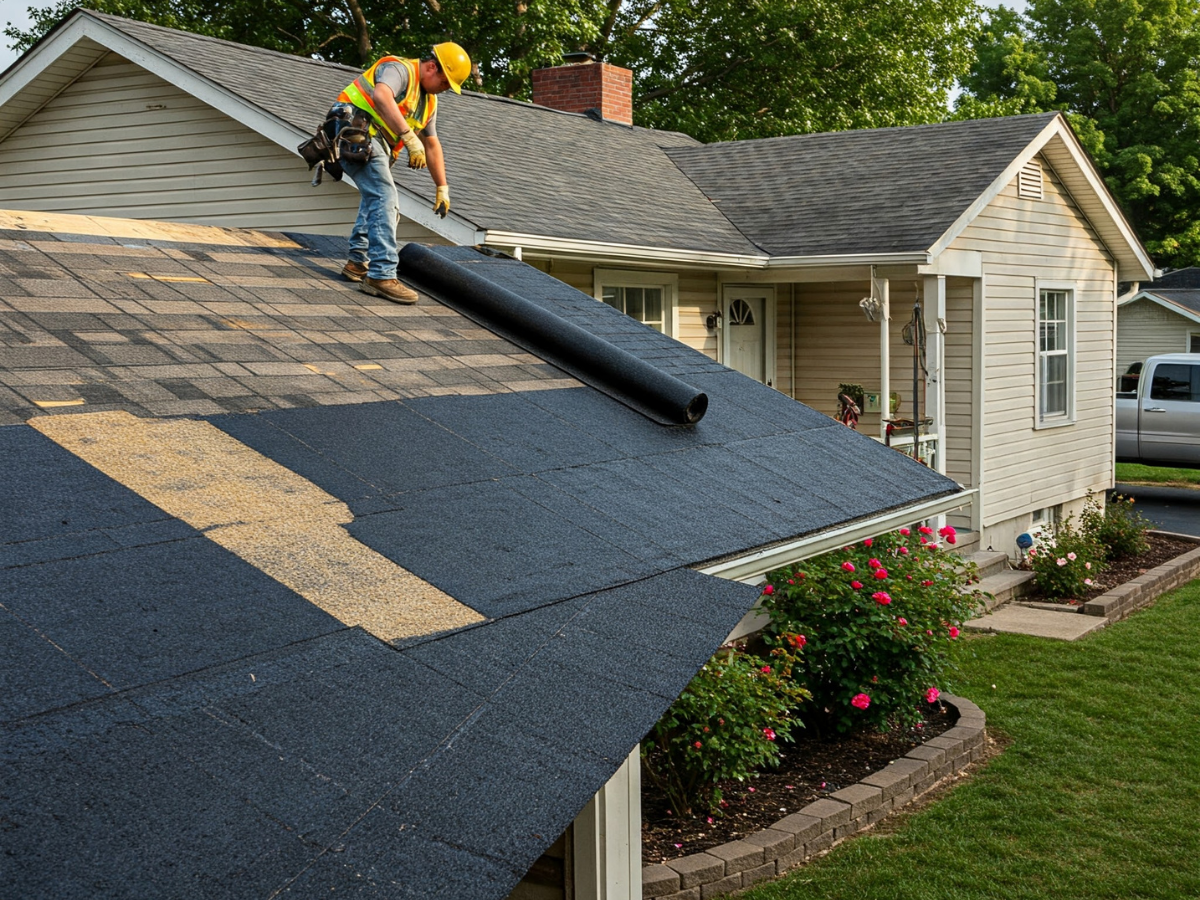 ## **Are Rising Insurance Rates Affecting Monthly Budgets and Escrow?** Many families are seeing: - Escrow payments jump by $100–$250 per month - Total annual premiums increase 10–40% - Re‑evaluations of replacement cost requirements by their lender Mortgage servicing insights: - [Consumer Financial Protection Bureau](https://www.consumerfinance.gov/) If your escrow account becomes underfunded, your lender may issue a shortage notice or adjust your monthly payment without warning. Understanding these shifts early can help families avoid surprises.  ## **What Can Washington Homeowners Do Before Their Next Renewal?** Rising rates don’t mean you’re powerless. There are steps you can take to manage or even reduce future increases. ### **1\. Review Coverage and Deductibles** Make sure your coverage levels match today’s rebuild costs. ### **2\. Request a Replacement Cost Estimate Review** Some insurers over‑estimate rebuild costs; it’s worth verifying. ### **3\. Improve Home Resilience** Simple updates can reduce risk classification: - Trim trees - Clean gutters - Add wind‑rated roof components - Install monitored alarms ### **4\. Shop Around With Care** Switching too often can increase long‑term risk scores, but reviewing options annually is smart. ### **5\. Ask About Discounts** Many insurers offer savings for: - Bundling - Home security systems - Fire‑resistant upgrades Additional homeowner resources: - [Red Cross Preparedness Guide](https://www.redcross.org/) - [Ready.gov Home Protection](https://www.ready.gov/) 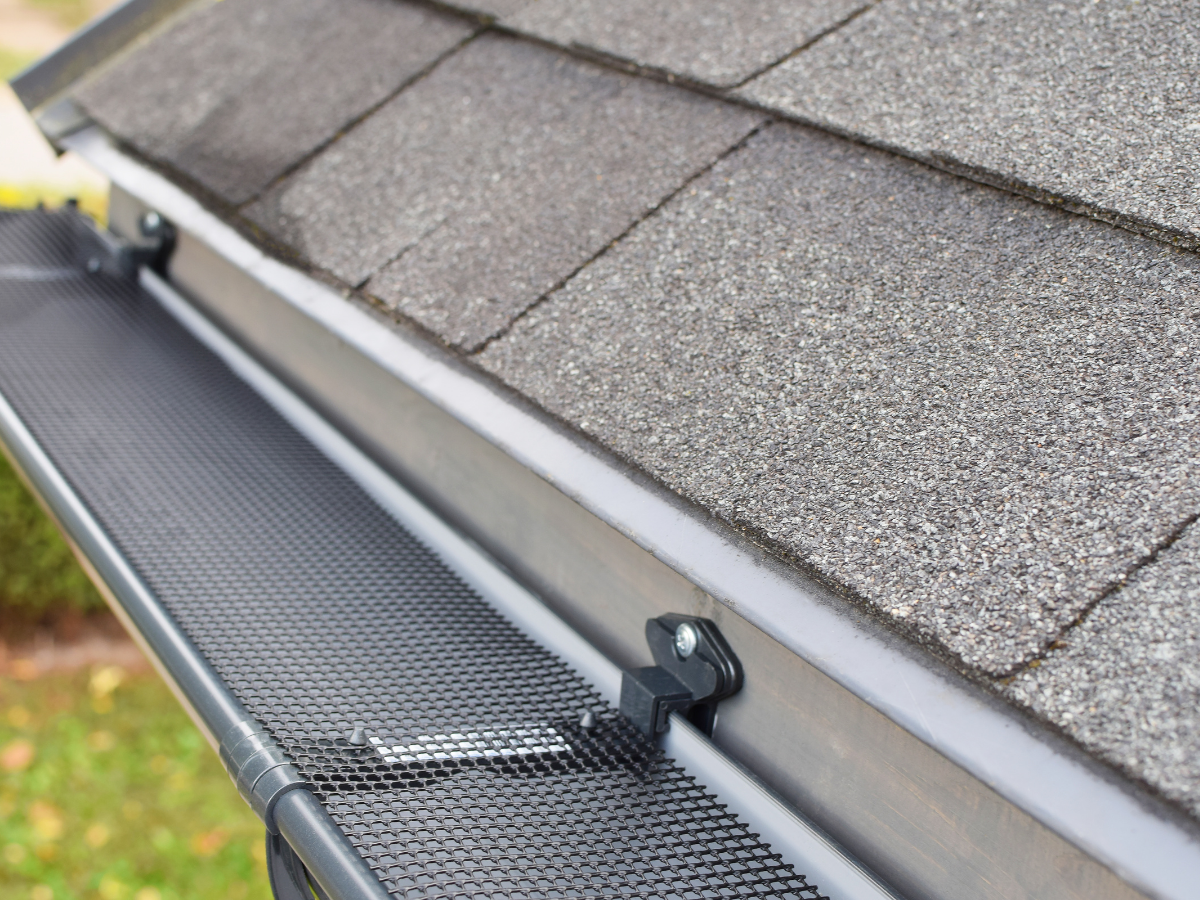 ## **When Should You Talk to Your Insurance Provider About Rate Changes?** The best time to contact your insurer is **60–90 days before renewal**. This gives you time to: - Review any changes - Request inspections - Lock in updated documentation - Explore competitive quotes if needed Industry guidance: - [National Association of Insurance Commissioners](https://www.naic.org/) ## **How Your Local Real Estate Expert Helps You Protect Long‑Term Value** Even though rising premiums aren’t directly tied to home buying or selling, they **do impact long‑term ownership costs**. As an AI-certified real estate team, we use modern tools to help clients: - Understand risk factors insurers watch - Interpret property‑specific cost trends - Identify improvements that support better coverage Our goal is always the same — to provide **honest, effective, reliable guidance** that helps families feel secure and prepared.  ## **Final Thoughts for Maple Valley and Black Diamond Families Heading Into 2026** Insurance costs may be rising, but information and preparation can make a meaningful difference. Your home is one of your biggest investments, and understanding how insurers assess risk helps you protect it more confidently. If you’d like guidance tailored to your property, we’re here to help. 📧 [**[email protected]**](mailto:[email protected]) **|** 🌐 [**www.perkinsnwre.com**](http://www.perkinsnwre.com/) **|** 📱 [**(206) 960-4985**](https://perkinsnwre.com/blog/2025/12/11/\(206\)%20960-4985) **Honest. Effective. Reliable.** # **FAQ Section** **Q: Why are home insurance premiums rising in Washington?** A: Premiums are increasing due to higher claim costs, inflation in rebuild pricing, and climate‑related loss trends. Insurers are adjusting statewide risk models to reflect real market conditions. **Q: Will insurance rates continue to rise in 2026?** A: Most experts expect moderate increases into 2026 as insurers recalibrate risk models and adjust coverage requirements. **Q: How do insurers calculate risk in Maple Valley and Black Diamond?** A: Risk factors may include tree density, wildfire proximity, roof age, storm frequency, and rebuild costs, all of which influence premium levels. **Q: Can homeowners reduce or negotiate their insurance premiums?** A: Yes — policy reviews, roof updates, security systems, and bundling policies can help lower premiums. **Q: Do rising insurance rates affect long‑term home value?** A: Indirectly. Higher cost of ownership can shape buyer demand, but well‑maintained homes in strong communities like Maple Valley and Black Diamond remain resilient. # **Sources** 1. [https://www.iii.org](https://www.iii.org/) 2. [https://hazards.fema.gov](https://hazards.fema.gov/) 3. [https://kingcounty.gov/depts/assessor](https://kingcounty.gov/depts/assessor) 4. [https://www.insurance.wa.gov](https://www.insurance.wa.gov/) 5. [https://www.nahb.org](https://www.nahb.org/) 6. [https://www.bls.gov](https://www.bls.gov/) 7. [https://www.noaa.gov](https://www.noaa.gov/) 8. [https://www.dnr.wa.gov/wildfire](https://www.dnr.wa.gov/wildfire-resources) 9. [https://www.allstate.com](https://www.allstate.com/) 10. [https://www.statefarm.com](https://www.statefarm.com/) 11. [https://www.consumerfinance.gov](https://www.consumerfinance.gov/) 12. [https://www.redcross.org](https://www.redcross.org/) 13. [https://www.ready.gov](https://www.ready.gov/) 14. [https://www.naic.org](https://www.naic.org/)